
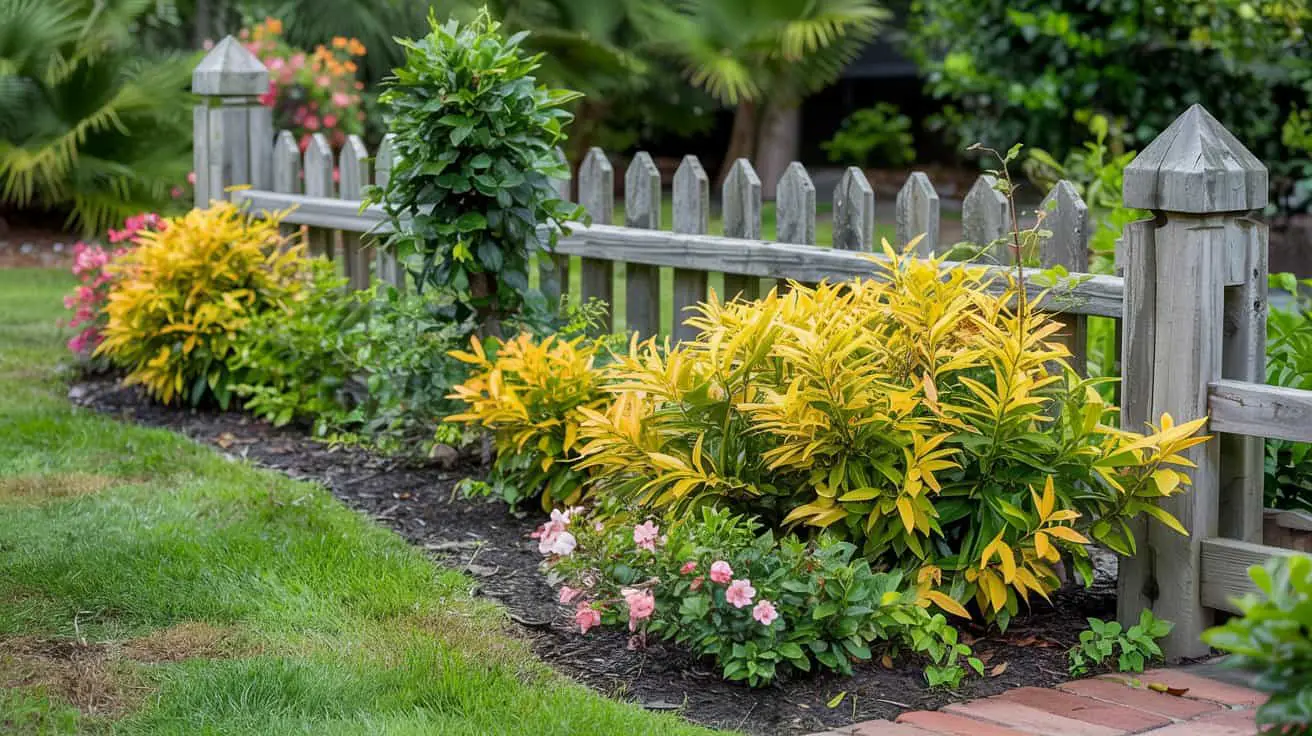
If you live in Florida, you already know the sun doesn’t just “shine”—it shows up with attitude. And if you’re a parent trying to grow anything out there, you’ve probably experienced the heartbreak of planting something beautiful… only to watch it melt into sadness three weeks later. Florida sun just doesn’t play.
But here’s the good news: there are so many family-friendly plants that love full sun, don’t mind sandy soil, and can handle the summer heat better than we do. And the best part? These plants are tough enough for energetic kids, surprise football games, and the occasional runaway scooter. You can have a colorful, thriving yard without constant watering or worrying.
Below are simple, durable planting ideas for Florida homes with kids — think soft edges, bright colors, pollinator-friendly blooms, and plants that basically take care of themselves.
Plant Pentas for Color That Survives Florida Summers
I
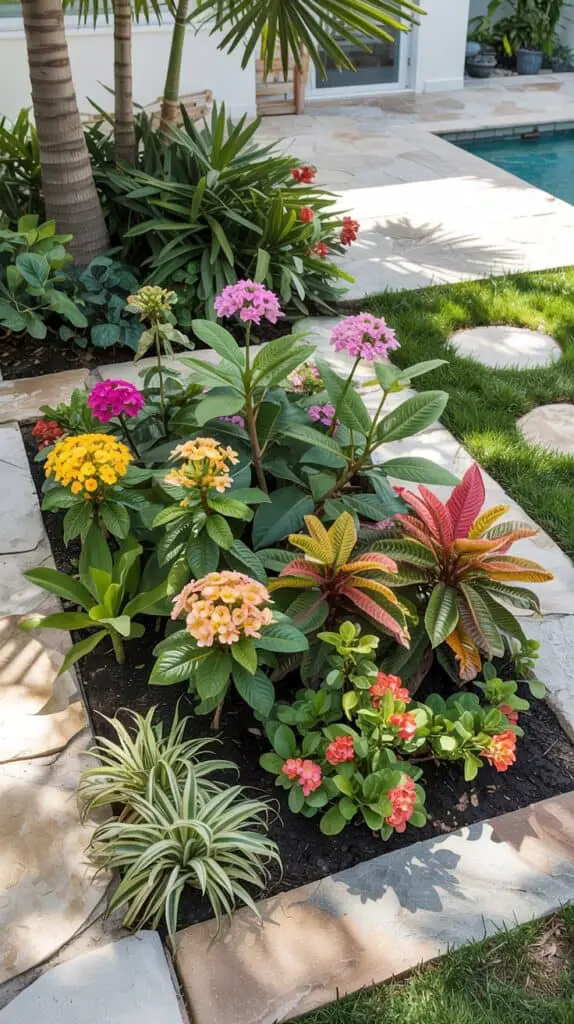
f you want flowers that don’t faint in the heat, pentas are your best friend. These star-shaped blooms love full sun, grow quickly, and attract butterflies (which kids adore).
They come in pink, red, lavender, and white, so you can mix them or use one color for a clean, modern look.
Where they work best:
• front yard beds
• mailbox area
• around play zones
• poolside planters
Bonus: they’re soft and safe for busy little hands brushing past.
Use Sunshine Ligustrum for a Bright, Low-Maintenance Border
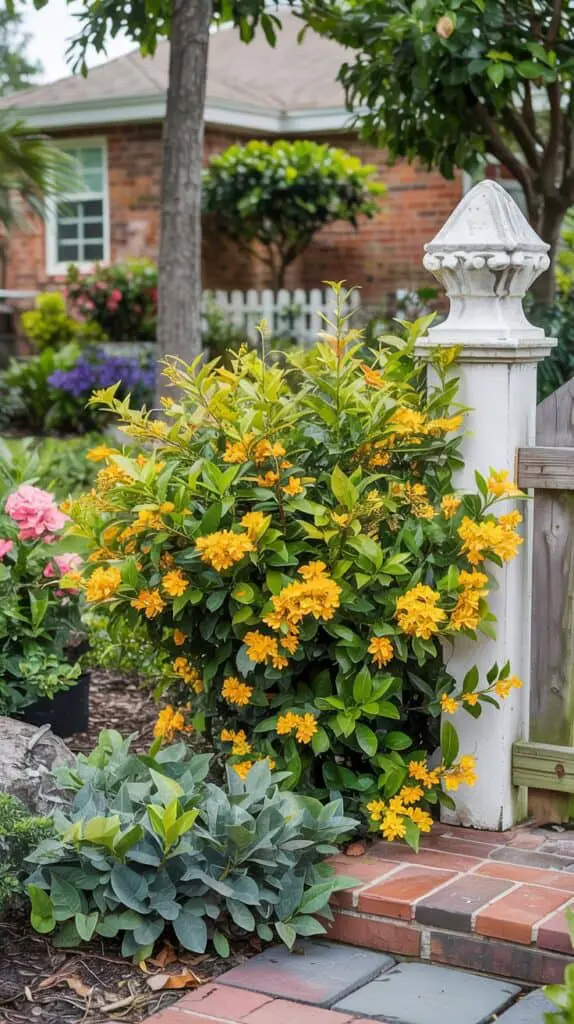
This golden shrub looks like Florida sunshine in plant form. Parents love it because:
• it never needs flowers to look pretty
• it doesn’t drop petals or create mess
• it’s easy to shape
• it’s tough against sun + humidity
Use it to frame a walkway, outline a play area, or create a cheerful border along the fence. It’s also great for homes where you want color without constant watering.
Create a Kid-Safe Butterfly Corner With Milkweed + Nectar Plants
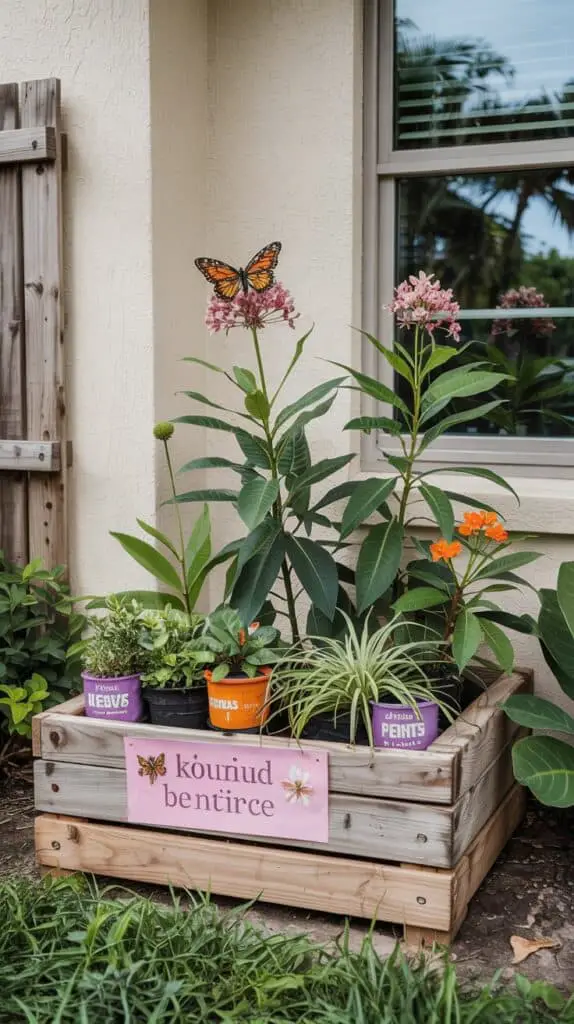
Florida yards are perfect for butterfly habitats, and kids love anything that feels magical and alive.
Combine:
• milkweed (for monarch caterpillars)
• pentas (pollinator nectar)
• firebush (heat-proof color)
• porterweed (popular with Gulf fritillaries)
Set this up in a sunny corner near a window so your kids can watch butterflies right from the living room.
Try Blanket Flower for Effortless Color All Year Long
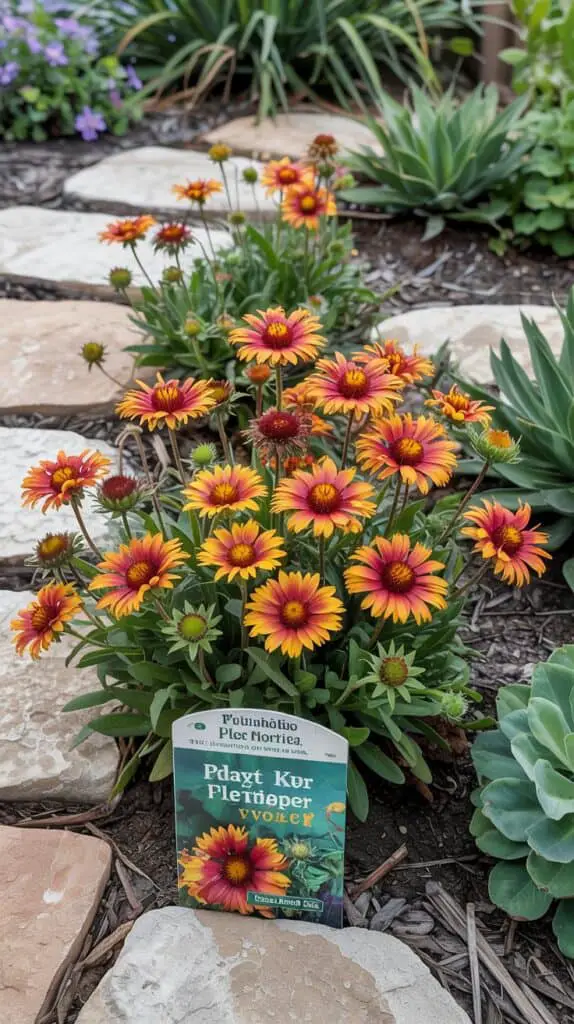
Blanket flower (gaillardia) is the plant that refuses to quit. This Florida favorite thrives in brutal sun, sandy soil, and salty coastal air.
Perfect for:
• play-space borders
• pool areas
• curb appeal beds
• low-water gardens
Plus, it spreads slowly, which means more free plants over time. Kids can even help replant the new seedlings — a tiny nature lesson built right into your landscaping.
Plant Firebush for a Wildlife-Friendly, Child-Safe Hedge
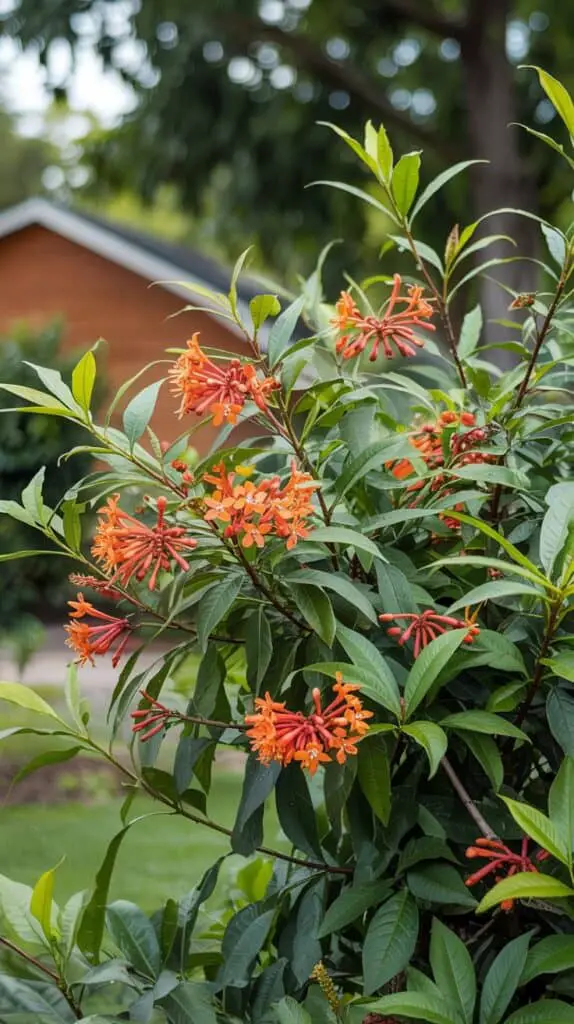
Firebush is a Florida superstar. It grows fast, loves sun, and has bright orange-red tubular flowers kids always notice.
Why families love it:
• attracts butterflies + hummingbirds
• soft stems (safe for kids)
• low maintenance
• thrives even in extreme heat
Use it to create a soft hedge around a seating area or playhouse. It adds privacy without looking too “formal.”
Choose Bulbine for Soft, Low-Growing Groundcover
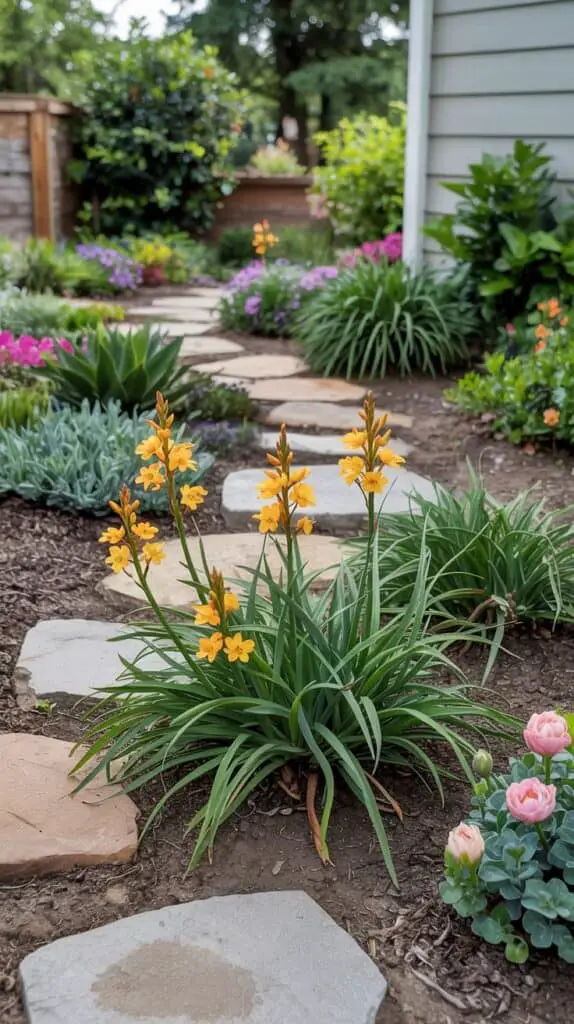
If your kids run through every part of the yard like it’s an obstacle course, you need plants that can handle traffic. Bulbine’s fleshy leaves and cheerful orange or yellow blooms make it ideal for full sun and little feet.
Use it along:
• stepping-stone paths
• mailbox areas
• around patios
• along sidewalks
It won’t complain if your kids accidentally step on it — a parent’s dream plant.
Add Crotons for Color That Doesn’t Rely on Flowers
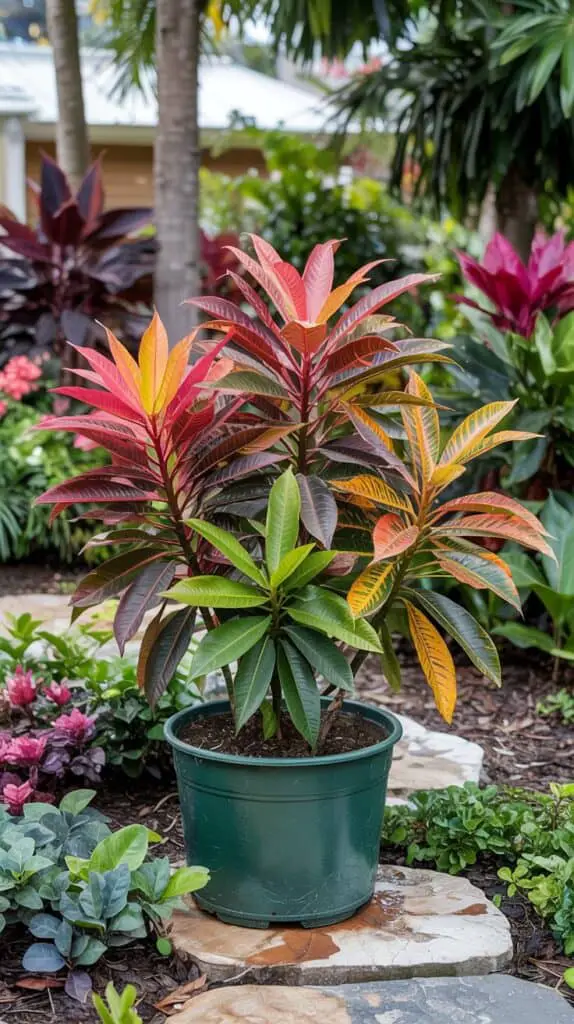
Crotons survive (and even love) full Florida sun. They’re bold, colorful, and basically indestructible.
Great for families because:
• no flowers = no mess
• low watering needs
• adds instant color
• thrives in containers or beds
Kids love the bright red, orange, and yellow leaves — it feels like a “rainbow plant” in the yard.
Plant Coontie for a Kid-Proof, Native Florida Look
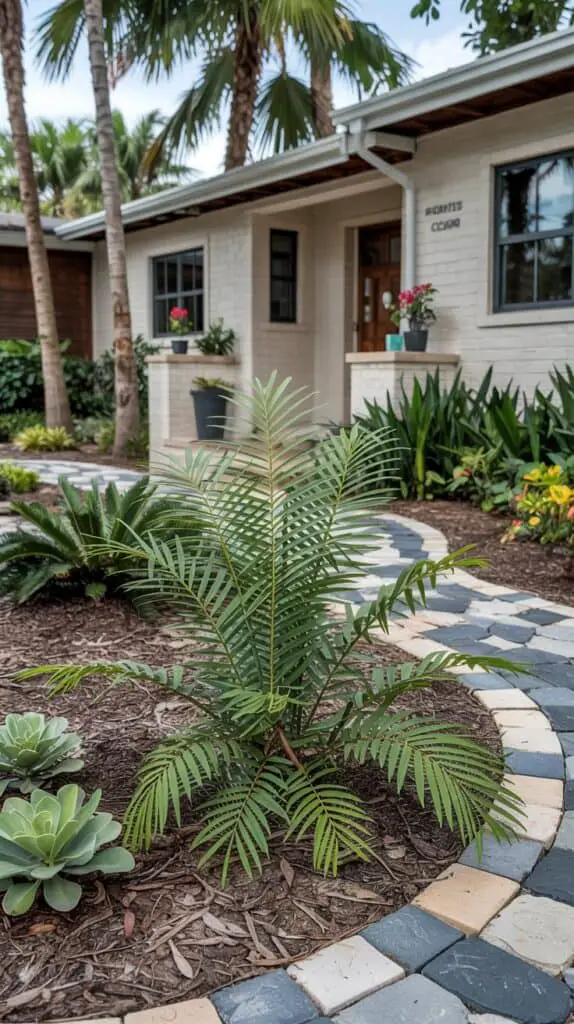
Coontie is one of the toughest native plants around. It loves sun, heat, and sandy soil. Even better, it has a neat, structured shape that looks great in modern or traditional yards.
Use it for:
• front yard foundation planting
• bordering patios
• surrounding mailbox islands
• low-maintenance walkways
Bonus: It’s a host plant for the atala butterfly — a cool wildlife moment for kids.