
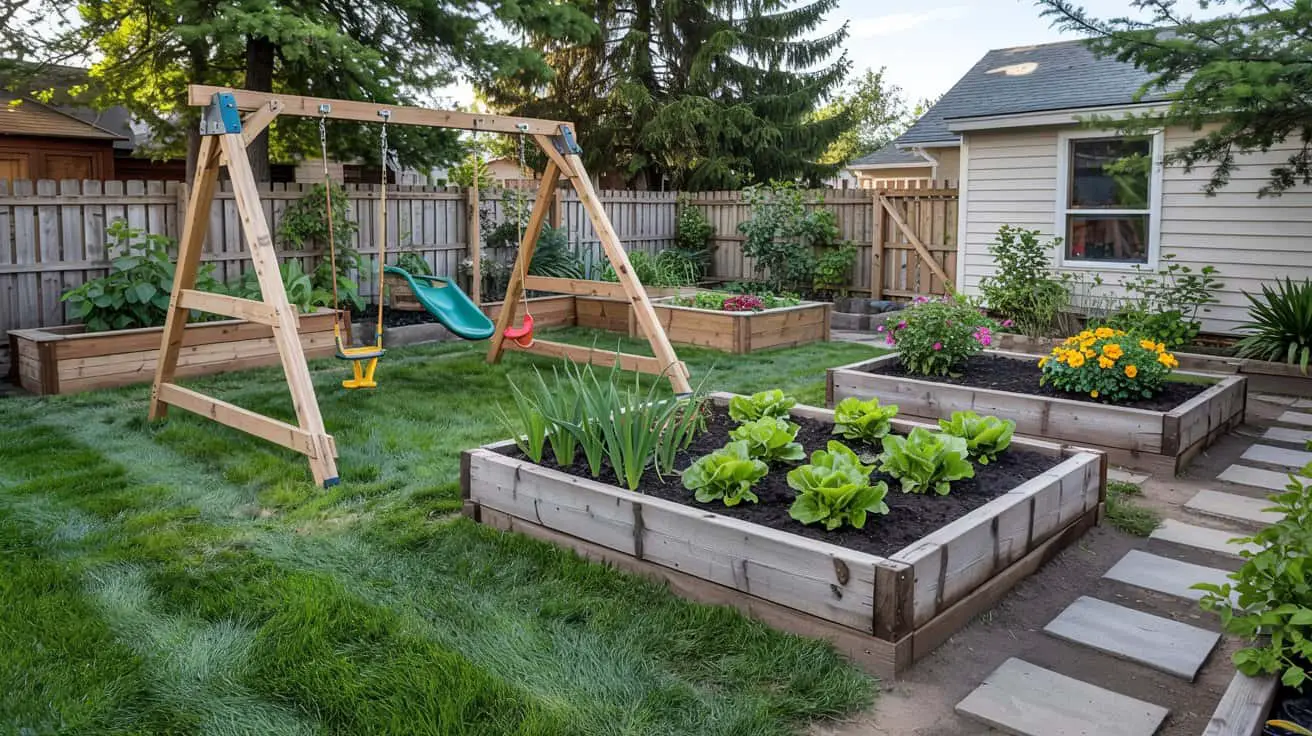
A family yard has to do a lot at once. It’s a place for kids to burn off energy, a spot to sit with a coffee, and (if you’re like me) the only realistic place to grow a few herbs and vegetables without turning the kitchen into a science project. The trick is making it all fit without the yard feeling crowded or chaotic.
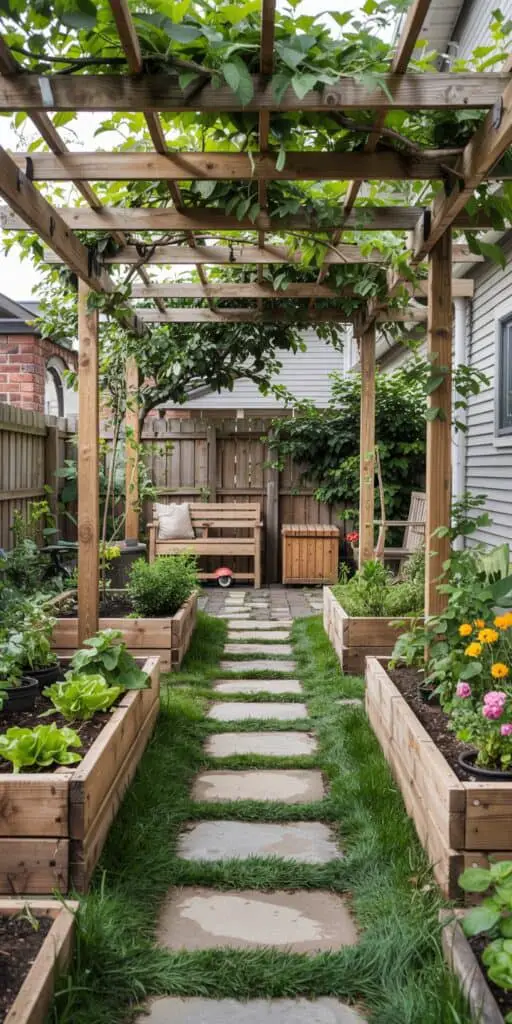
This is where a raised bed garden can actually help your play space instead of competing with it. Raised beds add structure, define zones, and bring in greenery that makes the whole backyard feel calmer. With a little planning, you can build a yard that works for soccer games and strawberry picking—sometimes in the same afternoon.
Start with the “play first” layout, then tuck the garden in on purpose
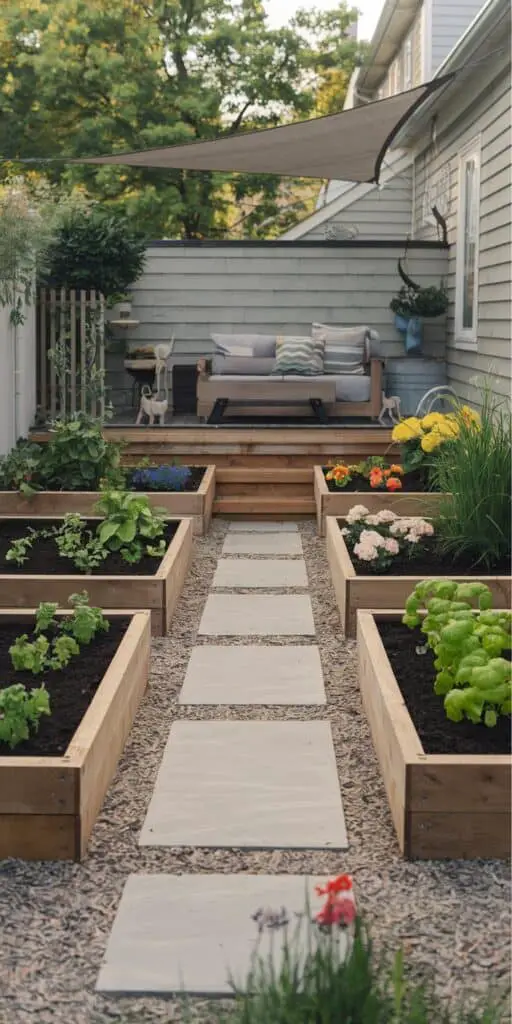
Before you think about materials or cute plant markers, decide how your yard is actually used. Where do the kids naturally run? Where do they dump shoes and scooters? Where do you want adult seating to land so you’re not perched on a step like a lifeguard?
A simple way to plan a raised garden layout is to map three zones:
- A clear play zone (open ground for running, chalk, bubble machines, small inflatable pool)
- A calm edge zone (raised beds, a bench, a path, a little storage)
- A transition zone (where muddy shoes, toys, and watering cans can live without taking over)
This kind of garden planning keeps the center of the yard open, which makes the whole space feel larger. It also stops the raised beds from becoming obstacles in the middle of a game. Think “frame the play,” not “fill every corner.”
If you’re renting, this approach is even better: you can place beds along edges, keep them freestanding, and avoid digging up the yard. It reads intentional, but it’s easy to undo.
Use raised beds to define the play space without fencing it in
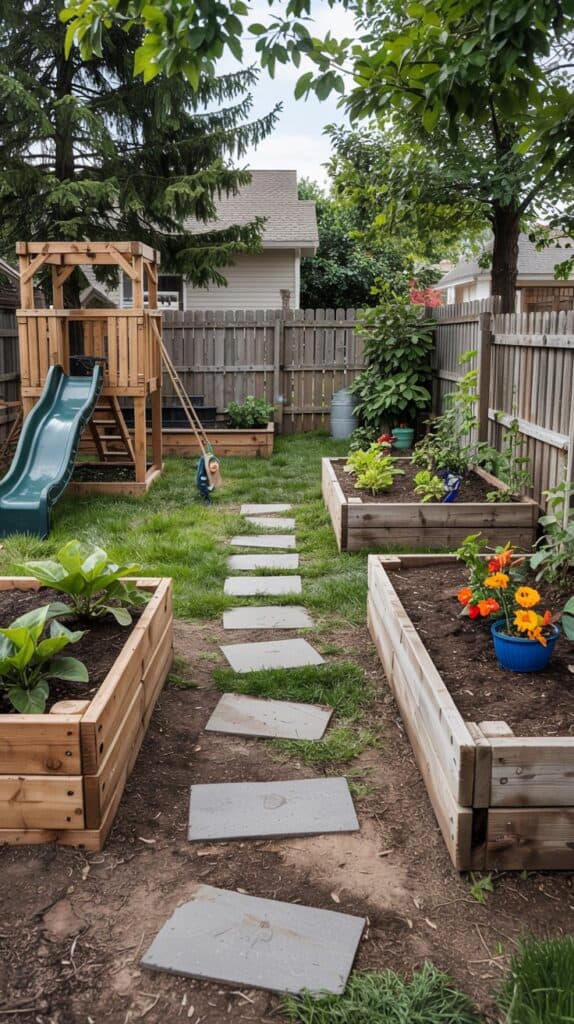
A lot of families want a sense of boundary—kids stay in sight, balls don’t roll into the neighbor’s yard, the play area feels like its own little zone. You can do that without adding bulky fencing by using Garden Beds Ideas that act like soft borders.
Try placing Vegetable Garden Beds or Raised Flower Beds in an L-shape along one side of the yard, or as a long line along the back. A bed that’s 12–18 inches tall creates a visual edge that kids understand (and adults appreciate), while still feeling open.
A few practical notes that make it work in real life:
- Keep at least 3 feet of clearance between beds and swings/slides so kids don’t clip corners at speed.
- Avoid sharp edging materials. Rounded timber, capped boards, or smooth composite edges are kinder to knees.
- If you’re using stone blocks, add a flat cap layer so the top edge isn’t rough.
This is one of those Raised Bed Ideas that improves the yard even when nobody is gardening. Beds make the space feel “finished,” which helps everything else look less like scattered toys.
Build an elevated garden bed “backstop” behind active play
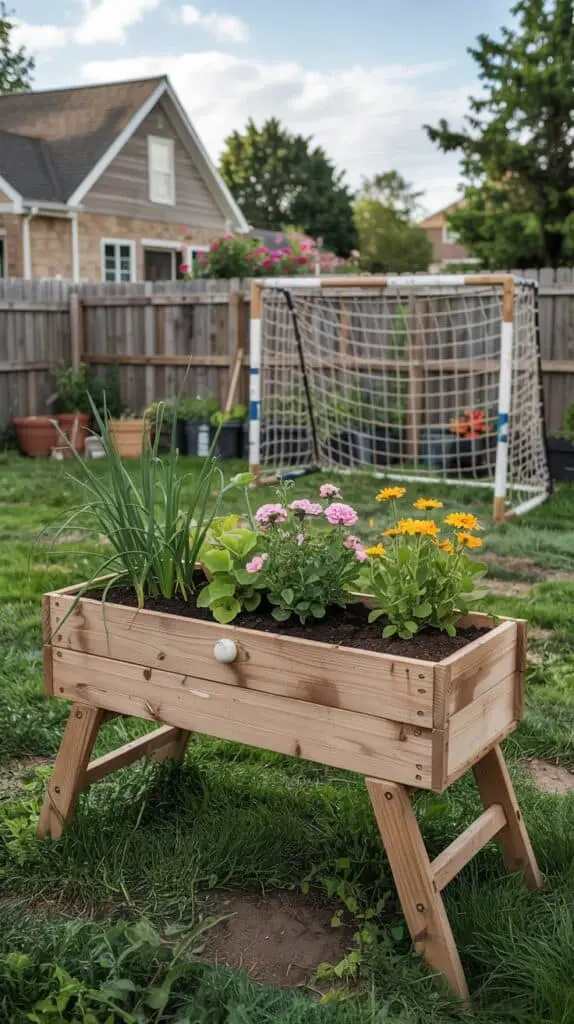
If you have a spot where balls constantly slam into a fence or where running games always end, that’s a perfect place for an Elevated Garden Bed. Think of it like a backstop that looks nice.
A waist-high raised bed (or even a long trough-style planter on sturdy legs) behind a small soccer goal or open play area does a few things:
- Stops hard impacts on the fence
- Gives you an easy-to-reach planting area (great if you don’t want to crouch)
- Adds greenery behind the play zone, which softens the “sports yard” look
For renters, an elevated bed is especially useful because it’s fully movable. If you’re building it, choose lighter soil mixes (potting mix + compost rather than heavy garden soil), and keep it narrow enough that you can reach the center without leaning.
Planting-wise, this is a great spot for sturdy choices that won’t mind the occasional stray ball: chives, oregano, marigolds, nasturtiums, or tough leafy greens. You’ll still get that “we have a garden” feeling, without creating a fragile display that makes everyone tense.
Combine a sand or sensory area with raised flower beds for a calmer look
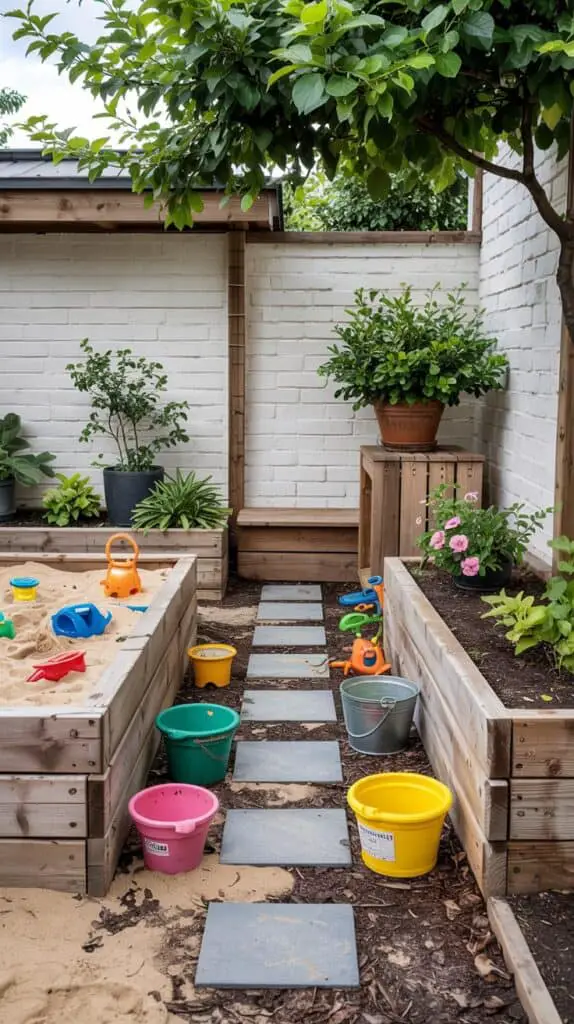
Sensory play is wonderful, but it can make a yard feel messy fast—sand toys, bins, random scoops, the whole thing creeping across the patio. A nice way to contain it is to treat the sensory area like a little courtyard and frame it with Raised Beds DIY builds.
You can place two raised beds on either side of a small sand box, water table, or gravel sensory pit. The beds become “walls” that keep the play contained, and you get a space that feels designed rather than improvised.
To keep it practical:
- Use a ground cover under the sensory area (landscape fabric under gravel, a tarp under sand) to make cleanup easier.
- Put a narrow path (pavers, stepping stones, or even mulch) between the beds and the play zone so you’re not walking through dirt constantly.
- Add a lidded storage bench at the end for sand toys and watering cans.
For planting, raised flower beds work beautifully here because they add color and softness. Go for simple, cheerful plants that don’t require delicate care: calendula, zinnias, sunflowers, dwarf grasses. If you have pets, double-check plant safety and stick with pet-safe options when in doubt.
This kind of setup is also very “Pinterest-friendly” in the best way: it looks tidy, but it’s actually functional.
Make one raised bed the “kid garden” and keep the rest low-maintenance
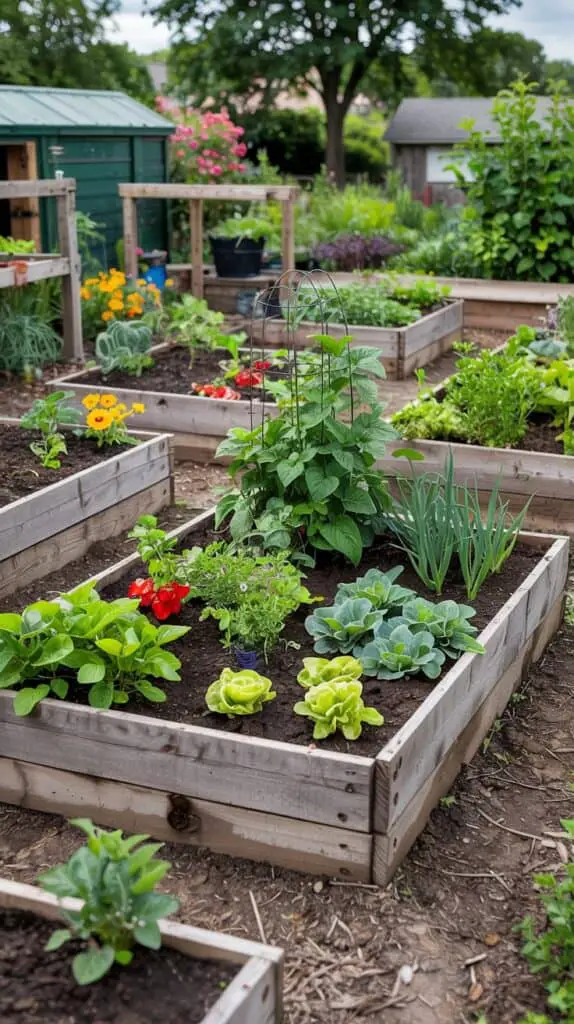
One reason family gardens fail (speaking honestly) is that adults try to manage a full, perfect garden while also managing kids. Instead, build in one bed that’s meant for kids to touch, pick, and experiment with, and keep the rest simple.
A kid-focused raised bed garden bed should be:
- Close to where you naturally stand (near the play space, not hidden in a back corner)
- Not too deep (kids do better with shallow-root crops and easy wins)
- Planted with fast, rewarding crops
Great Veggie Garden Ideas for kids: cherry tomatoes, snap peas on a small trellis, strawberries, basil, radishes, lettuce, carrots in loose soil, and edible flowers like nasturtiums. You’re aiming for “pick and snack” more than “perfect harvest.”
Then keep the other beds practical: a bed of herbs, a bed of sturdy perennials, or even a mostly mulched bed with a few seasonal plantings. This is where Garden Beds Ideas become sanity-saving—your yard still looks green and cared for, but you’re not signing up for an extra part-time job.
If you’re renting and don’t want permanent beds, this still works with large fabric grow bags grouped together to mimic a bed. It’s not as polished, but it’s flexible and budget-friendly.
Create a simple path so the garden doesn’t become an obstacle course
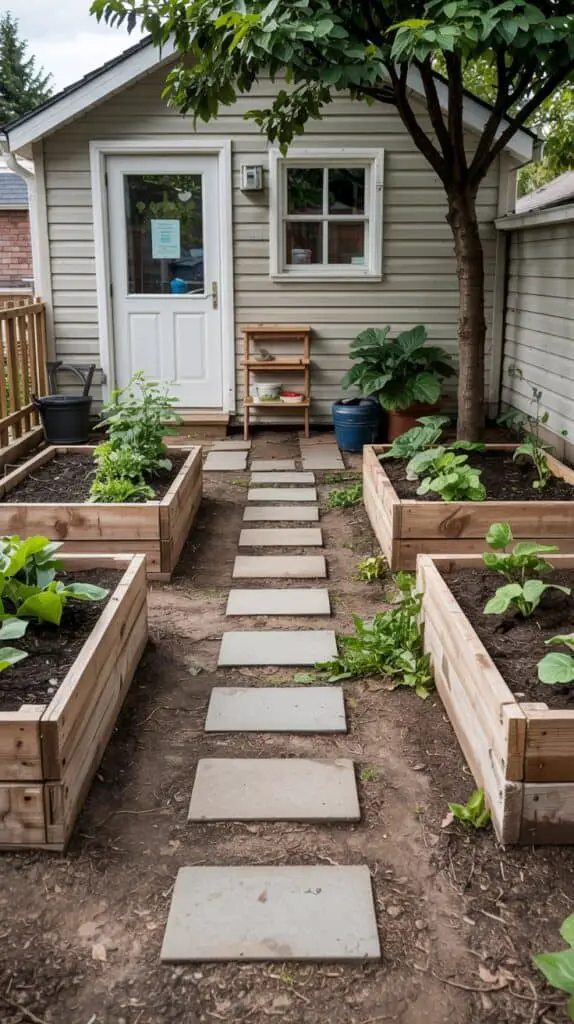
When raised beds are added without a plan, the yard can start to feel like a maze. The fix is surprisingly simple: add a clear path that tells everyone where to walk.
A path doesn’t have to be expensive. For a budget-aware, renter-friendly approach:
- Use stepping stones set into mulch
- Lay down pavers directly on compacted soil (temporary and removable)
- Use pea gravel in a contained strip with edging
This is a quiet but powerful part of Raised Garden Layout thinking: the path makes the whole setup feel intentional, and it keeps kids from cutting through beds. It also helps with muddy shoes—if you can walk from the door to the play area and the garden without stepping through soil, you’ll actually use the space more.
Aim for at least 30 inches wide if you can, especially if you’re carrying a watering can, pushing a stroller, or walking alongside a kid who changes direction every two seconds.
Try modular DIY garden beds if you need flexibility (renters, small yards, changing seasons)
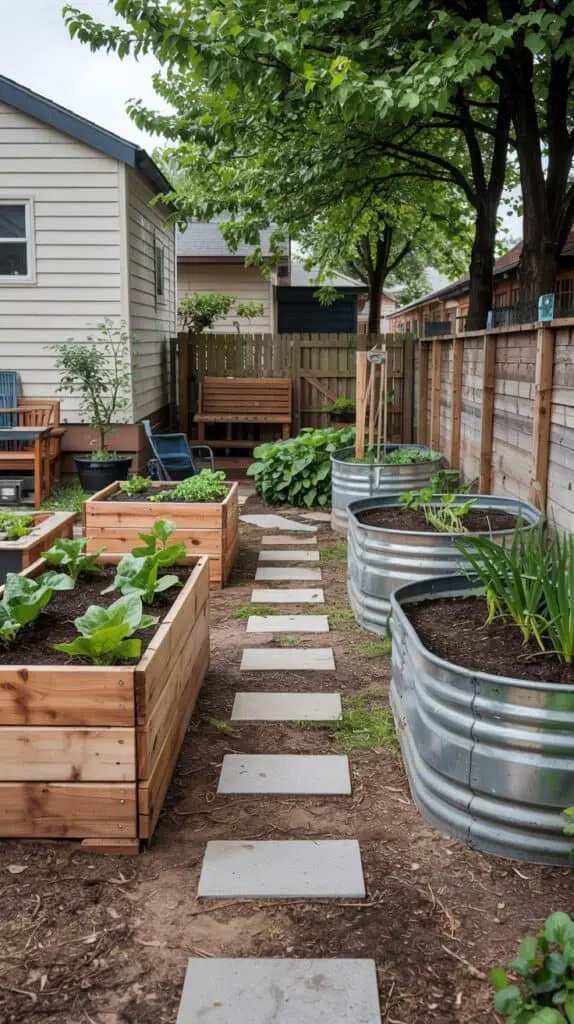
If you’re not ready to commit to built-in beds, or you expect to move, modular Diy Garden Beds are your best friend. They can still look cohesive if you repeat the same size and material.
Some approachable options:
- Cedar planter boxes (simple rectangles, repeated along a fence)
- Metal stock tanks (durable, tidy, and surprisingly modern-looking)
- Fabric beds in a neat row with a mulch border (cheap, easy, and removable)
To make modular beds feel like part of the play space (not separate clutter), group them together and “anchor” them with something stable: a path, a bench, or a small border. Even a line of identical beds creates order.
If you’re going to build, keep it simple. A lot of Raised Beds Diy projects go off the rails when they become too complicated. Straight boards, basic screws, and a consistent height look better than an overly fussy shape.
And if the yard is very small, consider one long bed instead of several little ones. Fewer objects = less visual clutter, which matters a lot in a family space.
Keep it safe and low-stress for kids, pets, and everyday life
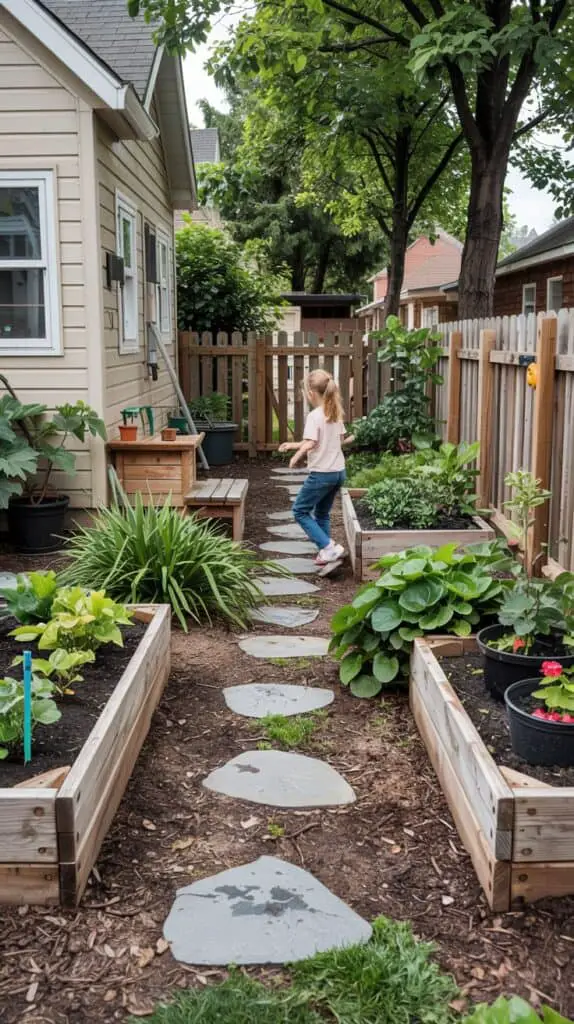
A multifunctional yard needs to be forgiving. You want a space where kids can play freely, pets can sniff around, and you’re not constantly saying “careful” every five minutes.
A few realistic guidelines:
- Skip thorny plants near play areas (even if you love roses). Put them where kids don’t run.
- Avoid loose gravel right next to swings or slides (it travels everywhere and can hurt bare feet).
- Use mulch thoughtfully. Wood chips can be great under play equipment, but keep them contained so they don’t end up in the garden beds.
- Choose non-toxic finishes if you’re staining wood beds, and let everything cure fully before use.
If pets are part of your household, plan a “yes space” for them too—maybe a clear run along the fence, or a small patch of tough ground cover where they can lounge. It reduces the chance they’ll decide the raised bed is their personal digging box.
For garden success with minimal drama, prioritize sturdy plants and simple systems: drip watering if you can, thick mulch to reduce weeds, and a small lidded bin for tools so they’re not scattered across the yard.
Use a small “reset routine” so the space stays nice without constant effort
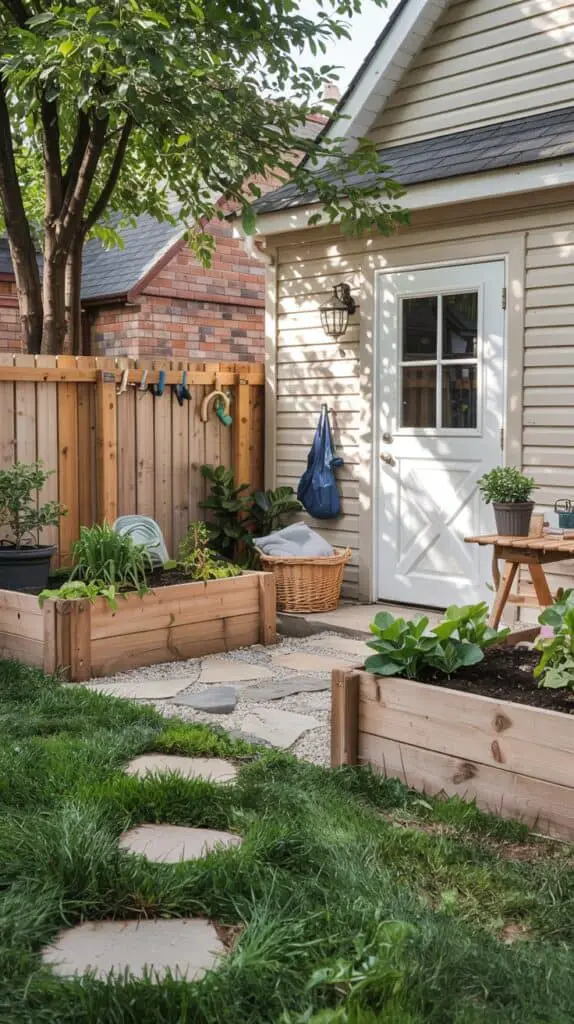
The best family backyards are the ones you can reset quickly. A raised bed garden built into a play space should support that, not complicate it.
A low-effort routine that works for many homes:
- A basket or bin near the door for outdoor toys that migrate inside
- One hook rail or small shed spot for garden tools (even a renter-friendly wall rack)
- A five-minute evening walk-through: return toys, straighten cushions, quick water if needed
When the yard has clear zones and a simple layout, it takes less energy to keep it looking good. And when it looks good, you’re more likely to use it—kids play more, you garden more, everyone’s outside a bit longer.
Conclusion
A family backyard doesn’t have to choose between fun and function. With a thoughtful raised bed garden layout, your garden beds can do more than grow plants—they can shape the space, calm the visuals, and make everyday outdoor time feel easier. Start with how your family actually lives, keep the center open for play, and use raised beds as structure along the edges. The result is a backyard that feels intentional, flexible, and genuinely livable—muddy shoes and all.