
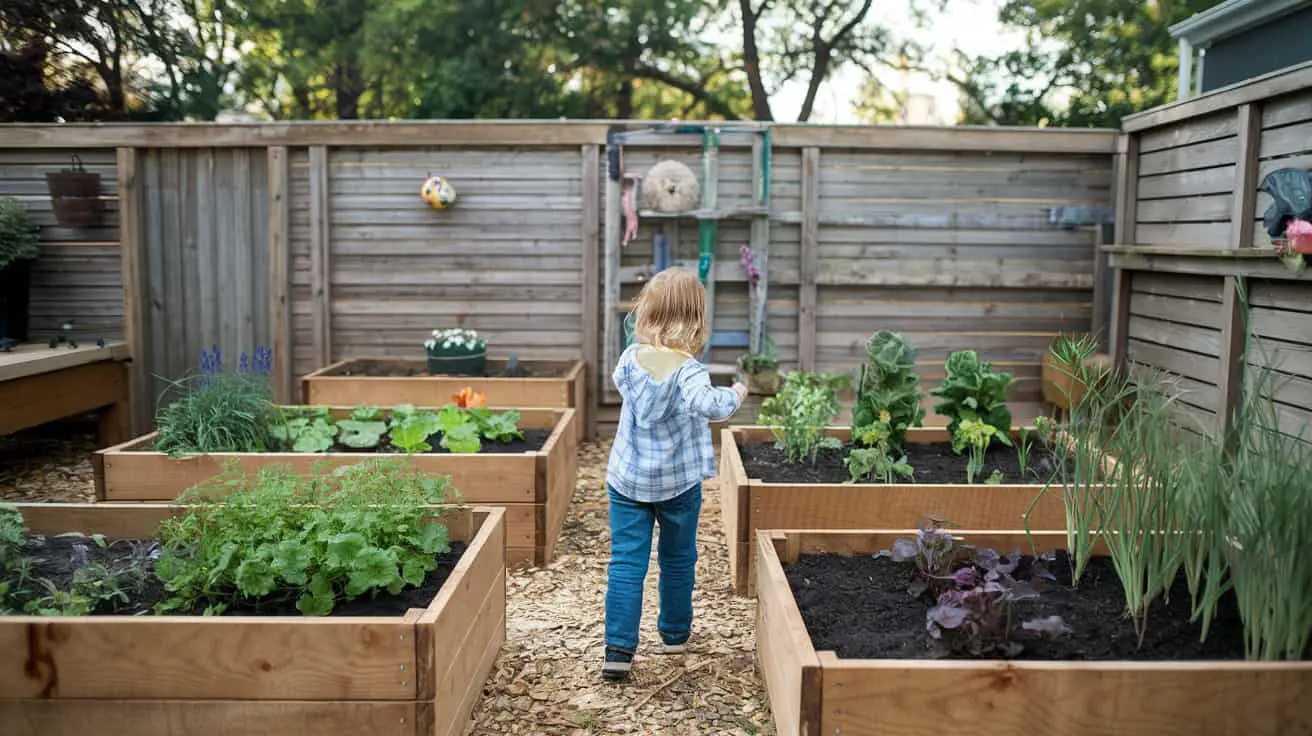
Building raised garden beds doesn’t have to be expensive, complicated, or something only homeowners with big backyards can pull off. If you’re working with a narrow side yard, a rental-friendly outdoor space, or a family budget that doesn’t allow for pricey lumber runs, this guide is for you. These raised garden beds are about using what you have, spending very little, and creating something that actually works for real family life.
This approach to raised garden beds focuses on practicality over perfection. The goal isn’t a picture-perfect magazine garden—it’s vegetable garden beds that fit beside a fence, along a driveway, or in that awkward strip of grass that never quite gets used. With a few basic materials and some flexible ideas, you can create an elevated garden bed that’s sturdy, useful, and easy to live with, all while keeping costs under control.
Why Raised Garden Beds Make Sense for Side Yards
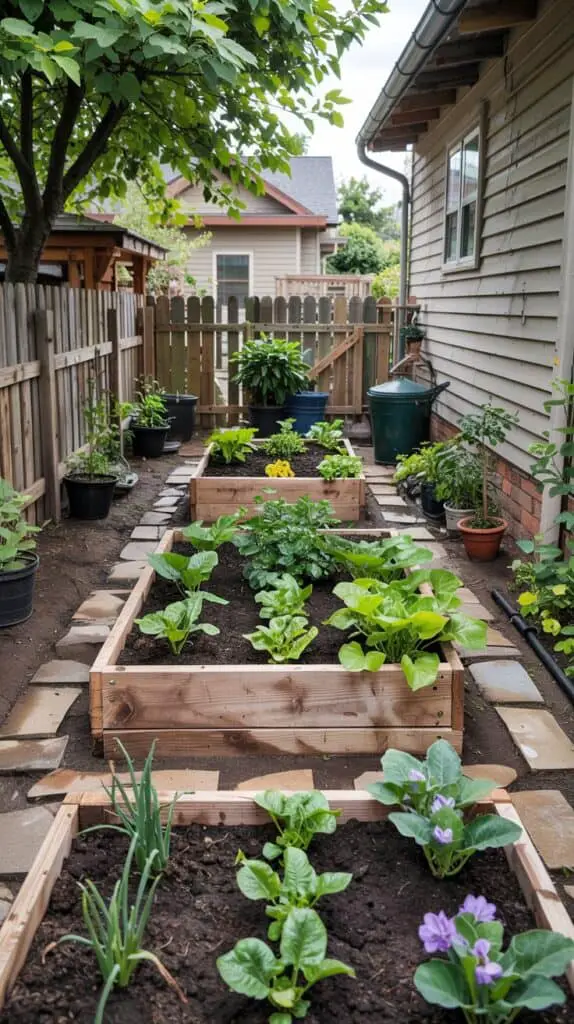
Side yards are often overlooked because they feel too narrow, too shaded, or too awkward to design. Raised garden beds change that equation. By lifting the soil off the ground, you gain better drainage, clearer boundaries, and more control over what grows where.
For families, raised garden beds are especially helpful. They reduce the amount of bending required, make it easier for kids to help without trampling plants, and keep muddy soil contained. In pet-friendly homes, they also help discourage dogs from digging through freshly planted areas.
An elevated garden bed also gives visual structure to a side yard. Instead of a long strip of nothingness, you get a clear, intentional line that feels designed—even when it’s built on a tight budget.
Setting a Realistic $10 Budget (And Why It Works)
The idea of building raised garden beds for under $10 sounds unrealistic until you stop thinking in terms of new materials. Budget garden projects work best when you lean into reuse, leftovers, and items that already exist nearby.
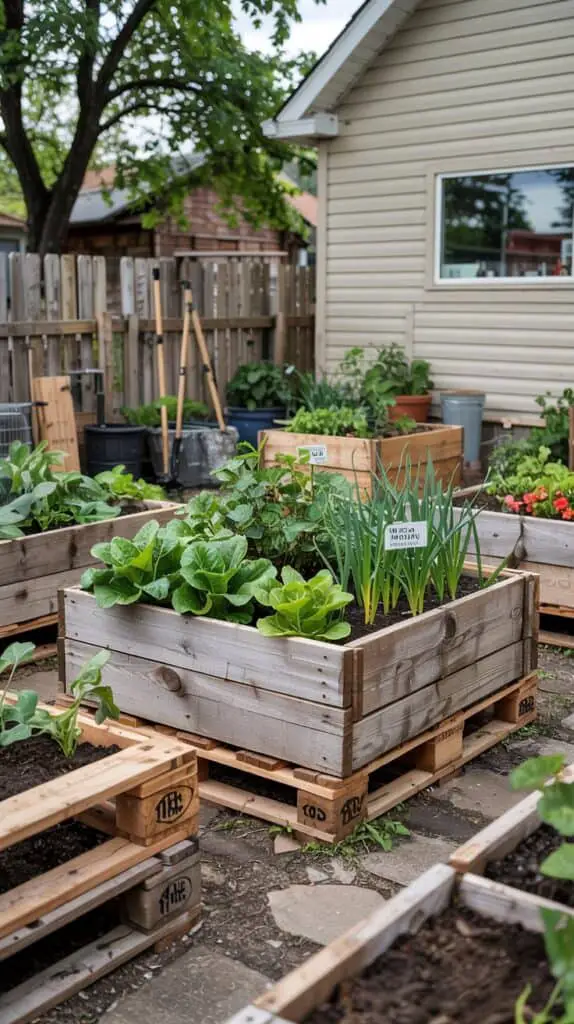
Many of the materials for DIY garden beds can be sourced for free or very cheaply. Old pallets, leftover fence boards, concrete blocks, bricks, or even sturdy scrap wood can all form the structure of a raised bed. The key is keeping the design simple and flexible.
Instead of one large, expensive build, smaller vegetable garden beds are often cheaper and easier to manage. They also fit better in side yards and allow you to adjust placement based on sunlight and access.
Choosing the Right Size for Family-Friendly Raised Beds
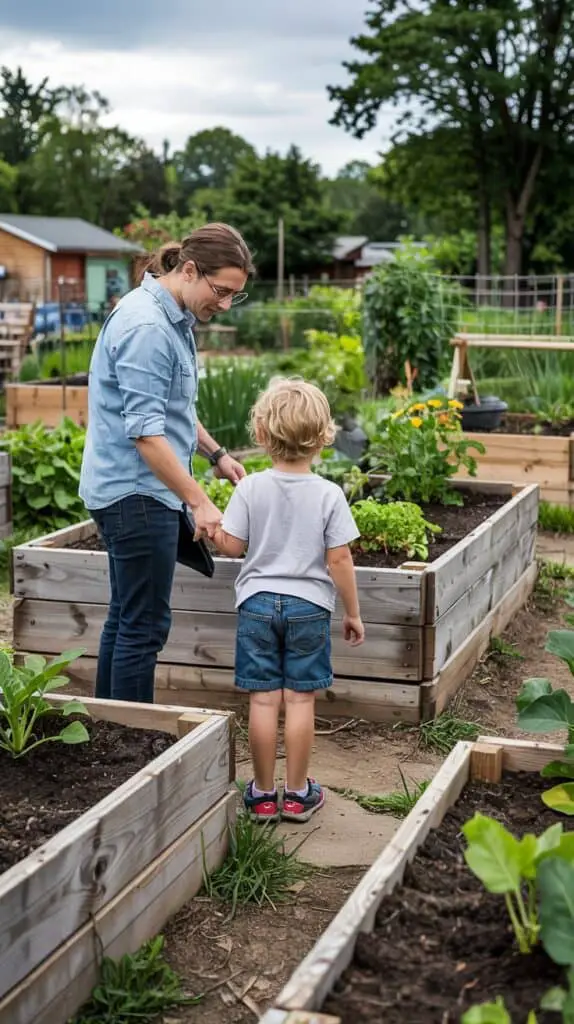
When space is limited, size matters more than aesthetics. Raised garden beds that are too wide become hard to reach, especially for kids. Beds that are too tall require more soil, which increases costs quickly.
For most side yards, a width of 2 to 3 feet works well. This allows access from one side without stepping into the bed. Length can vary depending on space, but shorter beds are often easier to build with salvaged materials.
Height is where budget decisions really come into play. A low raised bed, even just 6 to 8 inches high, still counts as a raised garden bed and improves drainage and soil quality. Taller elevated garden beds are nice, but they aren’t necessary for most vegetables and can push costs over budget.
Using Free Wood for DIY Garden Beds
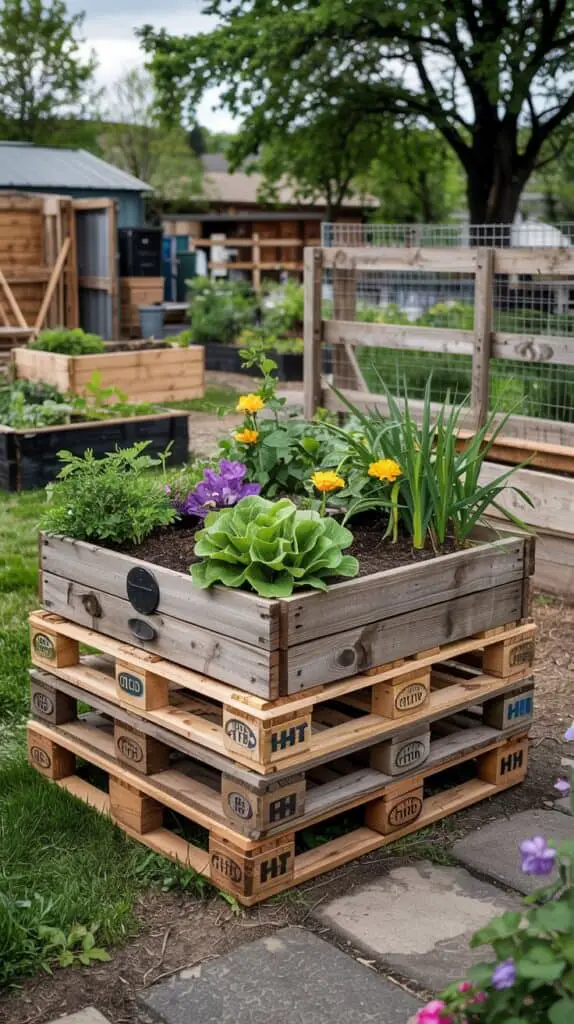
Wood is the most common material people picture when thinking about raised bed ideas, and it doesn’t have to be expensive. Pallets are often available for free from local businesses, warehouses, or community listings. When choosing pallets, look for ones marked HT (heat-treated) rather than chemically treated.
Fence boards from old repairs, leftover decking, or even dismantled furniture can also work. The boards don’t need to match or look perfect. Slight variations actually add character and make the garden feel relaxed and lived-in.
When building DIY garden beds with reclaimed wood, simple construction is best. Screws hold better than nails, and you don’t need fancy joints. A basic rectangular frame placed directly on the ground is often enough for vegetable garden beds in a family yard.
Concrete Blocks and Bricks as Budget-Saving Options
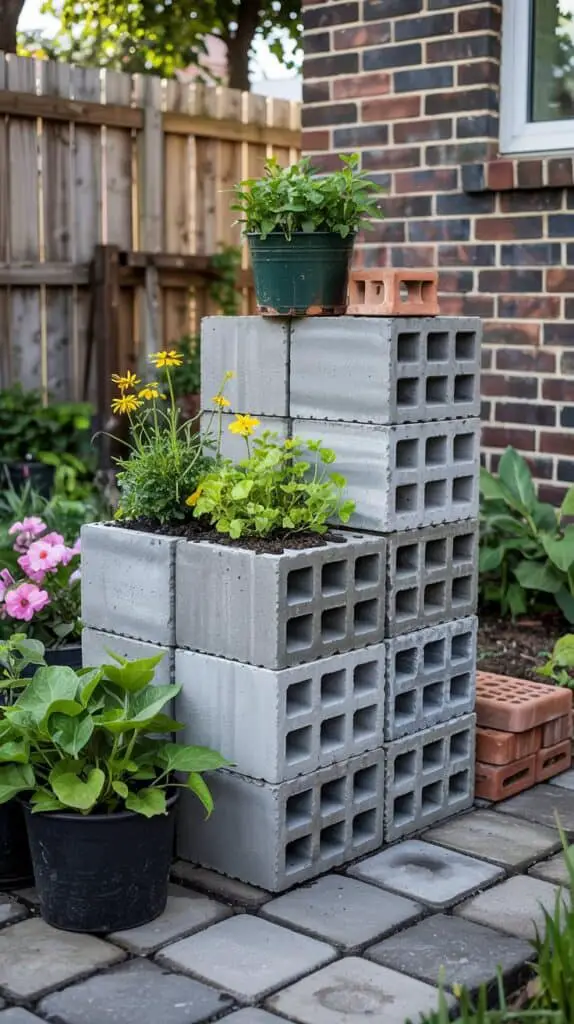
If wood isn’t available, concrete blocks and bricks are some of the most reliable budget garden materials. They’re often found leftover from construction projects or available cheaply through local listings.
Concrete blocks are especially versatile for raised garden beds. They stack easily, don’t rot, and can be rearranged if you move. The holes in the blocks can even be planted with herbs or flowers, adding extra growing space without extra cost.
Brick-built raised bed ideas tend to feel more permanent, but they work well in rentals if you dry-stack them without mortar. This keeps the structure removable while still providing a sturdy elevated garden bed that can last for years.
Soil Without the High Price Tag
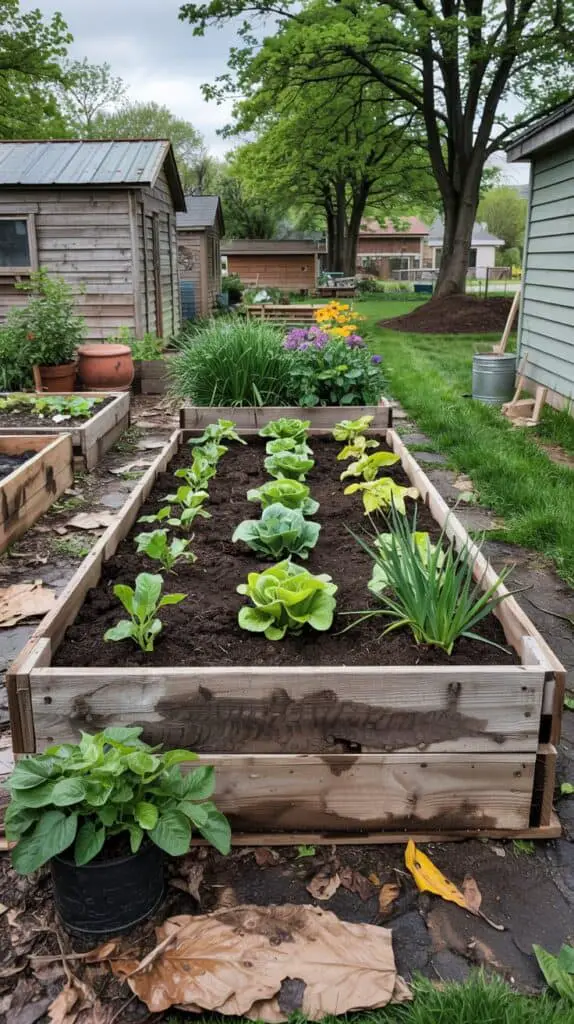
Soil is often where budgets get blown, but there are ways to fill raised garden beds cheaply. The bottom of the bed doesn’t need to be premium soil. Layers of cardboard, leaves, grass clippings, and old compost can take up space and break down over time.
This layered approach works especially well in vegetable garden beds. The top layer should be decent-quality soil or compost, but it doesn’t have to be expensive bagged mixes. Local compost programs, community gardens, or even neighbors often have extra soil available.
Using what’s already in your yard can also help. If the existing soil isn’t great, mixing it with compost improves it without doubling costs. Raised garden beds are about control, not perfection.
Renter-Friendly Raised Garden Bed Ideas
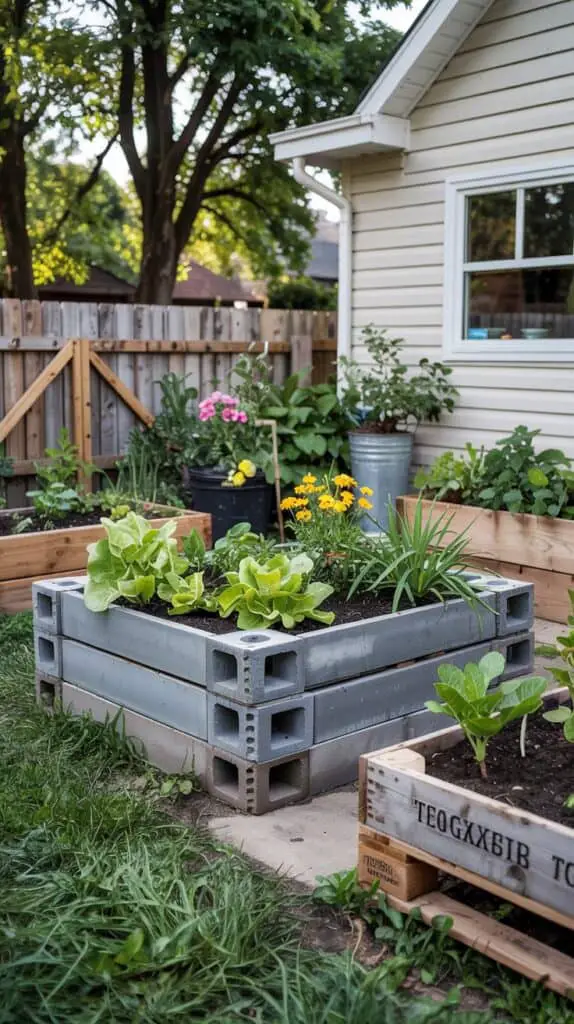
Renters often hesitate to invest time or money into outdoor projects, but raised garden beds can be surprisingly renter-friendly. The key is keeping everything movable and non-invasive.
Freestanding DIY garden beds that sit on top of the ground without digging are ideal. Concrete block beds, pallet frames, or even repurposed containers all allow you to garden without altering the property.
Smaller raised garden beds are also easier to relocate. If you move, you can take the structure with you or rebuild it cheaply in a new space. This flexibility makes budget garden projects feel worthwhile, even in temporary homes.
Making Raised Garden Beds Kid- and Pet-Friendly
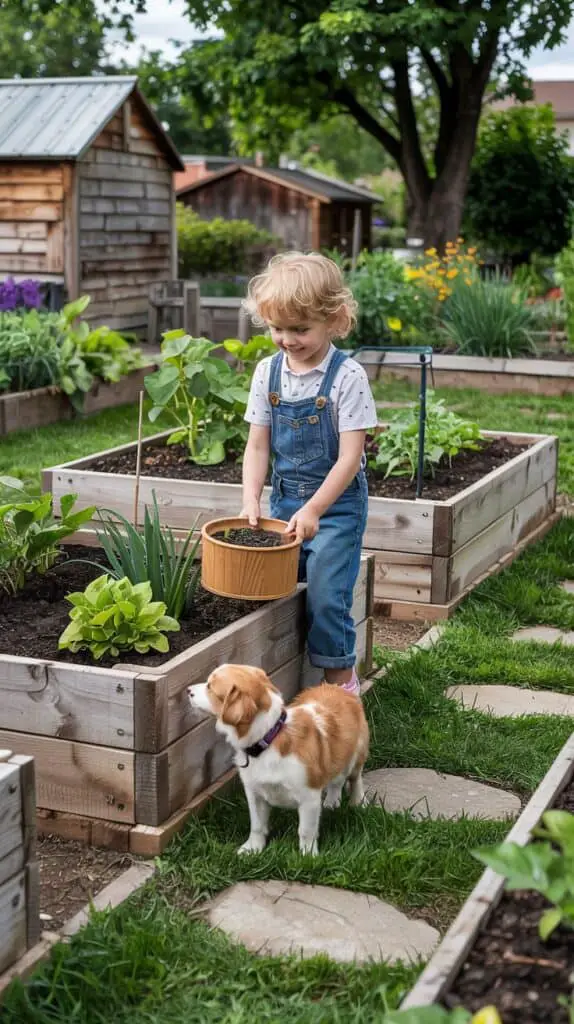
In a family yard, safety and durability matter. Raised garden beds should be stable enough that kids can lean on them without tipping. Avoid sharp edges, exposed nails, or splintered wood where possible.
Low-profile raised garden beds work well for children who want to help with planting and watering. They also reduce the temptation for pets to climb inside, especially when paired with clear boundaries like mulch or stepping stones around the beds.
Choosing sturdy materials matters more than aesthetics. A slightly rough DIY garden bed that holds up to daily life is better than something delicate that constantly needs fixing.
Planning What to Grow in Small Vegetable Garden Beds
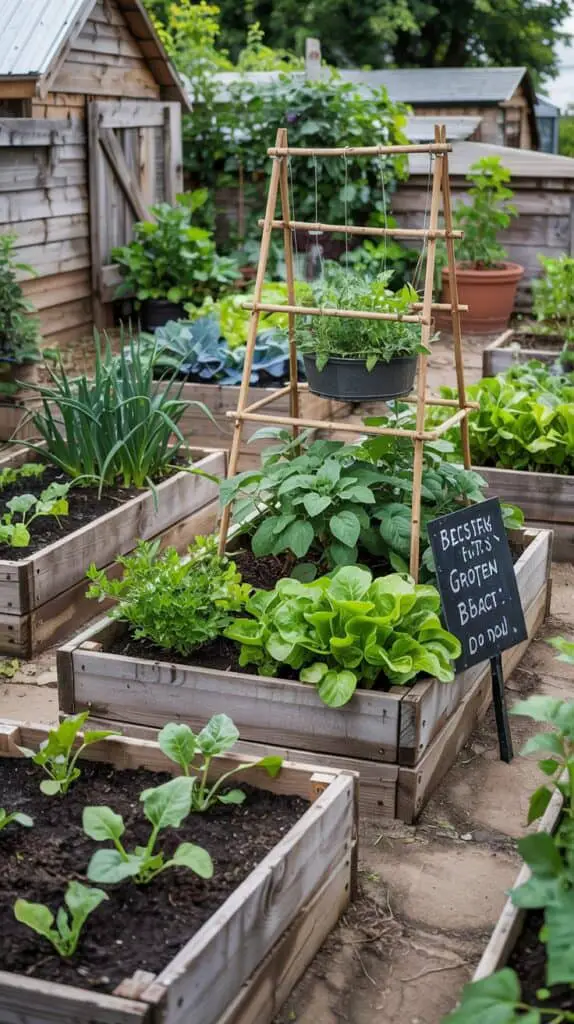
When space is limited, it’s better to grow fewer things well. Raised garden beds are perfect for vegetables that don’t need deep roots or sprawling space.
Leafy greens, herbs, radishes, and bush tomatoes all do well in smaller beds. Vertical supports can help maximize space without increasing the footprint of the bed.
In a family setting, choosing plants that grow quickly keeps kids interested. Harvesting something within a few weeks makes the raised garden beds feel rewarding and encourages ongoing care.
Keeping the Look Simple and Intentional
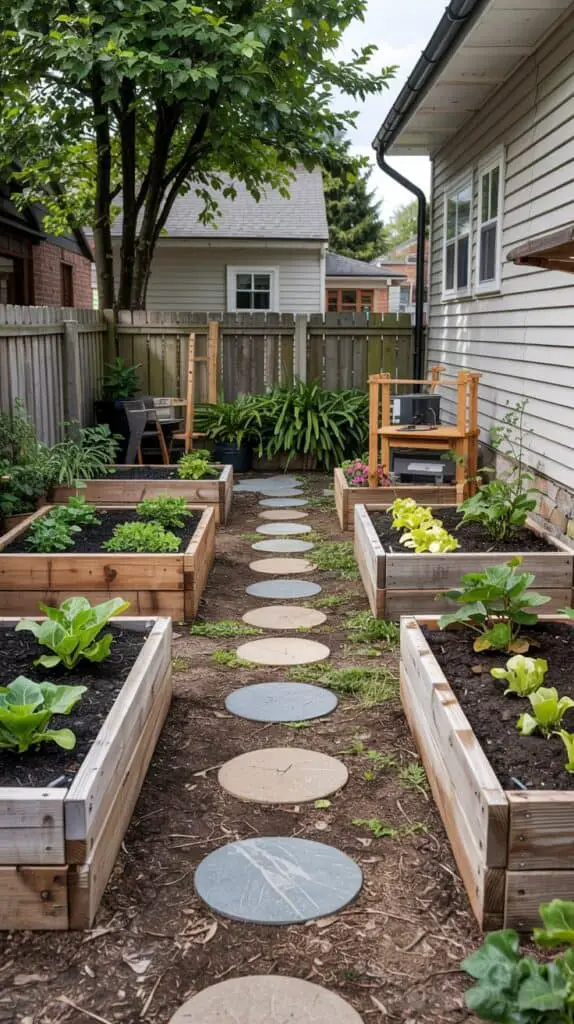
Budget garden projects can still look thoughtful. Keeping materials consistent within each bed helps create a sense of order, even if the materials themselves are reclaimed.
Spacing matters. Leaving clear walkways between raised garden beds makes the side yard feel organized and easy to navigate. Mulch, gravel, or stepping stones help define the space without adding clutter.
Avoid over-decorating. A few well-placed vegetable garden beds often look better than trying to fill every inch. Negative space is especially important in narrow side yards.
Maintaining Raised Garden Beds Over Time
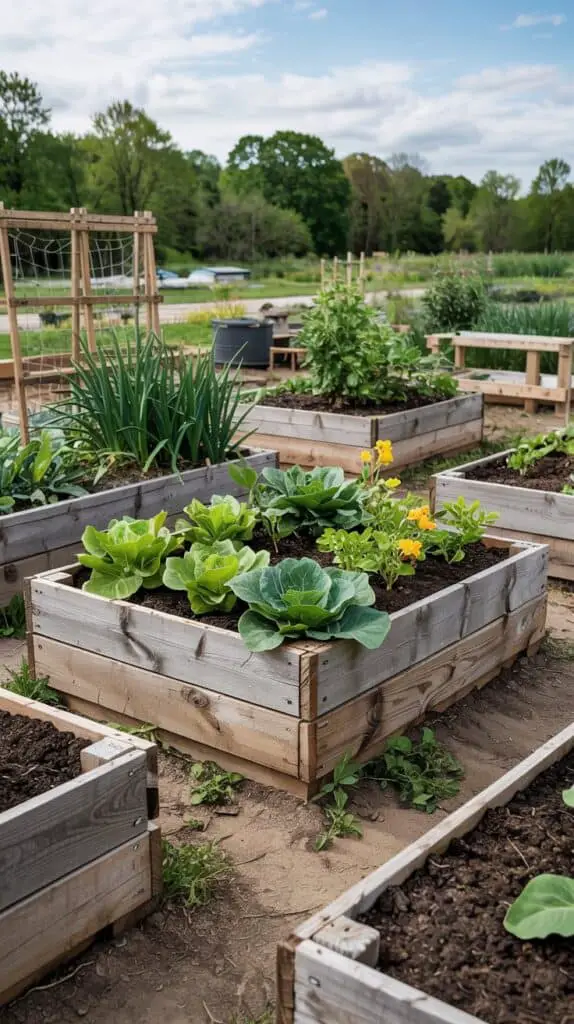
One of the advantages of raised garden beds is how easy they are to maintain. Because the soil is contained, weeds are easier to manage, and watering tends to be more efficient.
Over time, soil will settle and break down. Adding compost once or twice a year keeps vegetable garden beds productive without much effort. Checking wood structures annually for loose screws or rot helps extend their lifespan.
Budget builds don’t need to last forever. Even if a DIY garden bed only lasts a few seasons, the low cost makes it easy to rebuild or adjust as needs change.
Adapting Raised Beds as Your Family Changes
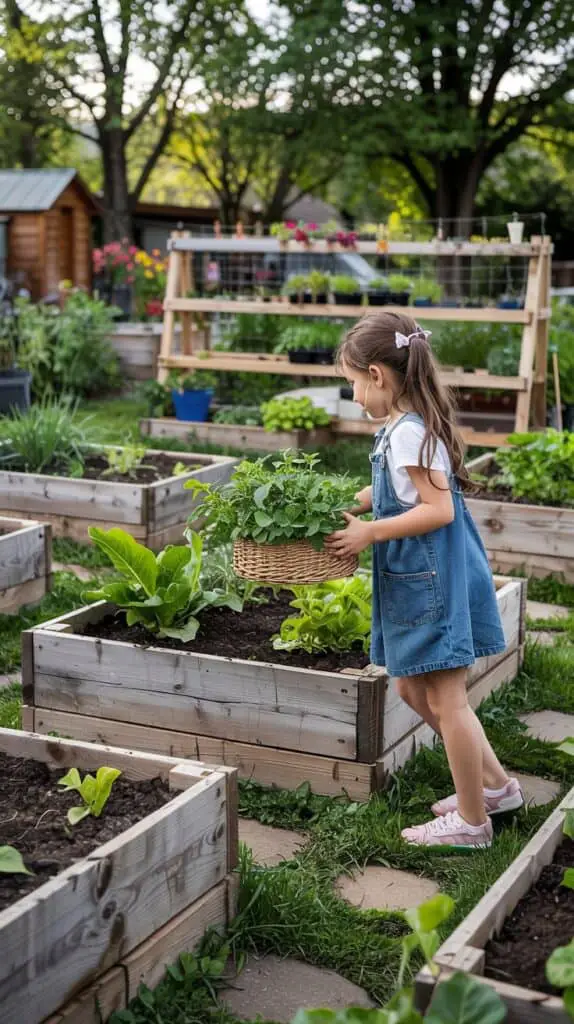
Family life changes quickly, and raised garden beds can adapt with it. What starts as a kid-friendly herb garden might later become a more productive vegetable setup.
Because these raised bed ideas are simple and low-cost, you can experiment without pressure. Move beds to chase better sunlight, resize them as kids grow, or repurpose materials into new layouts.
This flexibility is what makes budget garden projects feel sustainable. You’re not locked into one design or one way of using the space.
Conclusion
Raised garden beds don’t need to be expensive or complicated to be effective. With a focus on simplicity, reuse, and family-friendly design, it’s possible to build functional vegetable garden beds for under $10—even in a narrow side yard.
These DIY garden beds are about making outdoor space work for real life. They’re practical, adaptable, and forgiving, which makes them perfect for families, renters, and anyone starting fresh. A small, well-used raised garden bed can bring more life to a side yard than any costly landscaping ever could.