
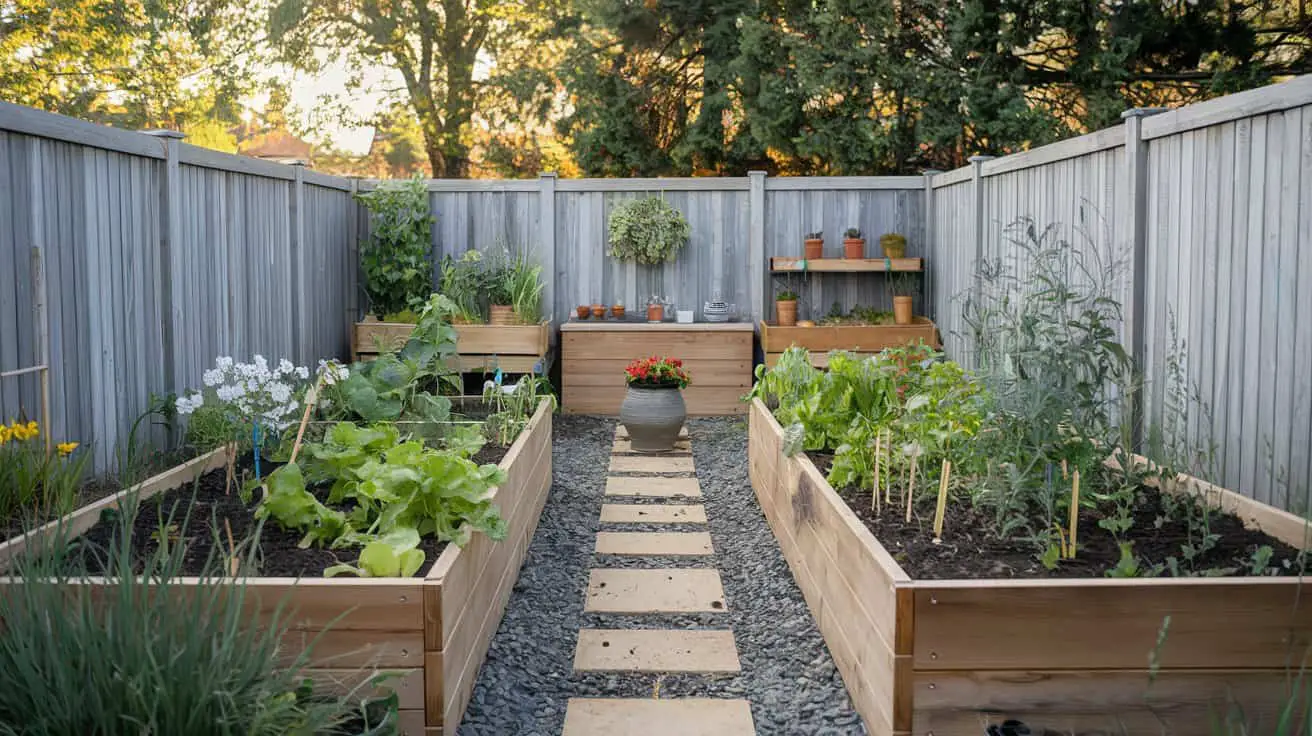
Spring has a way of making backyards feel full of potential again. After months of being underused or overlooked, even a grassy, uneven yard can start to look like a place where things could grow — literally and visually. For many families and renters, though, the idea of a full backyard makeover feels out of reach. That’s where raised garden beds quietly shine.
Using raised garden beds is one of the most practical ways to refresh a backyard without committing to expensive landscaping or permanent changes. They help define space, make gardening more manageable, and create visual structure even in the most basic yard. With a little planning and some DIY flexibility, they can fit into real-life budgets, rental rules, and busy family schedules.
This article focuses on simple, low-cost ways to use raised beds to bring new energy into your backyard this spring — without overbuilding, overspending, or overcomplicating the process.
Start With the Yard You Actually Have
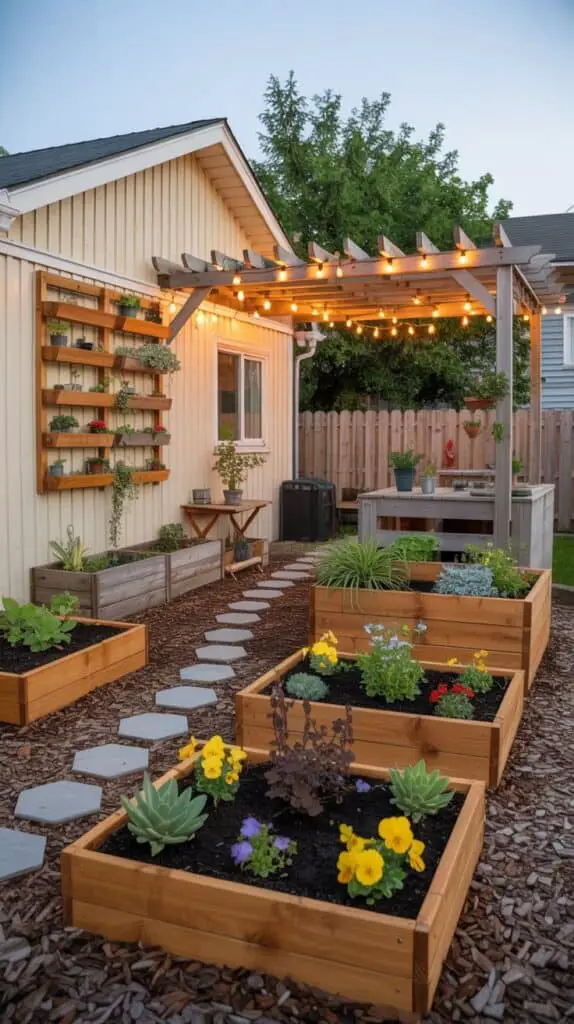
Before buying wood or sketching layouts, it helps to look honestly at the yard you’re working with. Many backyards start as little more than grass, fencing, and a few worn paths. That’s not a disadvantage — it’s a blank slate.
Grassy backyard ideas often fail because they try to fight the lawn instead of working with it. Raised garden beds sit on top of existing grass, which means there’s no need for heavy digging or permanent ground changes. For renters or homeowners unsure about long-term plans, this flexibility matters.
Walk the yard at different times of day. Notice where sunlight falls, where kids or pets naturally run, and which areas already feel underused. These observations will guide where raised beds make the most sense and how many you actually need. Starting small almost always leads to better results than trying to fill the entire space at once.
Use Raised Garden Beds to Define Zones
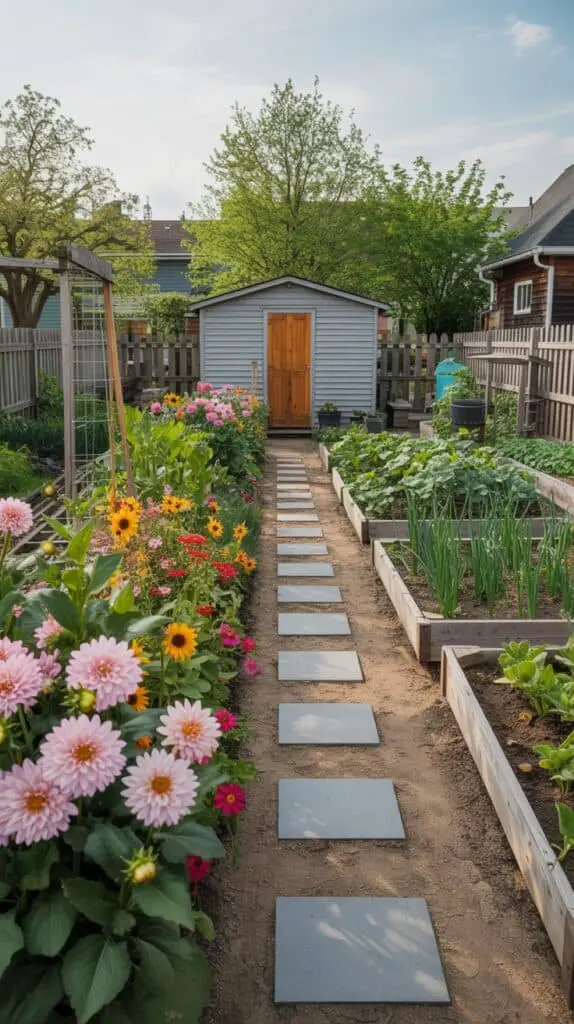
One of the biggest visual upgrades raised garden beds provide is structure. Instead of an open yard that feels undefined, beds naturally create zones — gardening areas, play space, and resting spots can all coexist more comfortably.
Backyard gardening space ideas don’t need to be complicated. A simple row of beds along a fence can separate a garden from a lawn. Two beds placed parallel can suggest a pathway in between. Even a single elevated garden bed can anchor an otherwise empty corner.
For families, zoning matters. Keeping vegetable garden beds slightly apart from play areas reduces foot traffic through plants. For pet owners, raised beds help protect soil and seedlings from curious paws while still keeping everything visible and approachable.
Choose Budget-Friendly Materials That Age Well
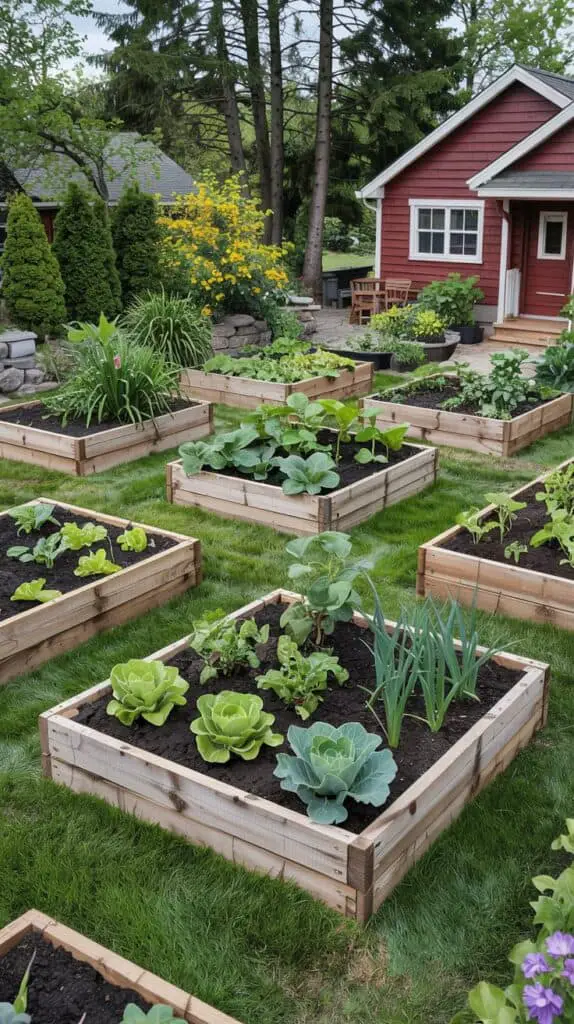
DIY garden beds don’t have to be perfect to be effective. In fact, slightly imperfect materials often look more natural once they weather outdoors.
Untreated pine, reclaimed wood, concrete blocks, and even sturdy crates can all work depending on your style and budget. Raised beds DIY projects are often more about consistency than luxury. Using the same material throughout the yard creates a cohesive look, even if the materials themselves are simple.
If longevity is a concern, focus on bed height rather than thickness. Slightly taller beds tend to last longer because they drain better and reduce constant moisture contact with the ground. For beginners, a basic rectangular shape is easier to build, move, and adapt later if plans change.
Keep Bed Layouts Simple and Repeatable
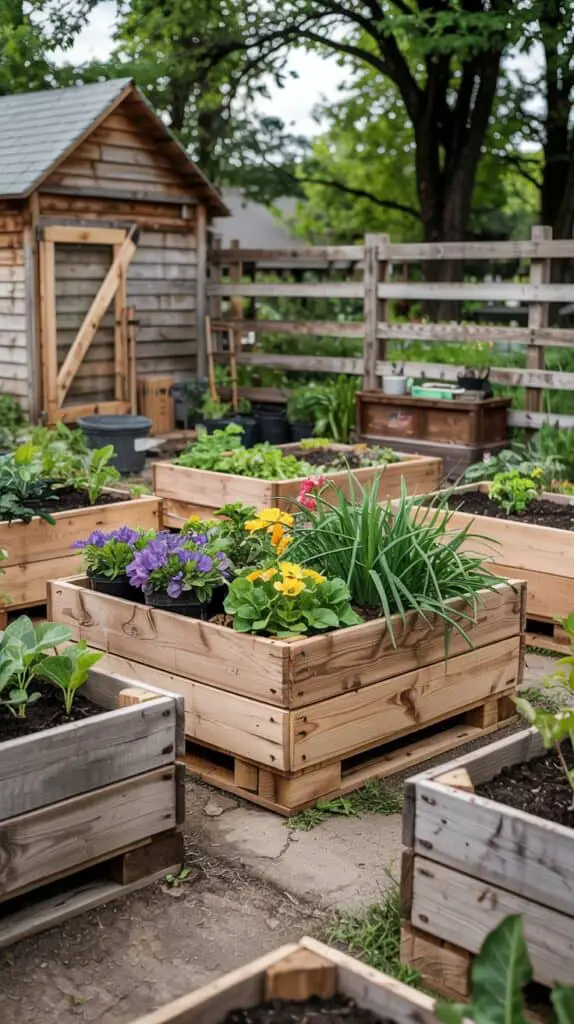
Raised garden layout choices can make or break how calm or cluttered a yard feels. Overly complex shapes often look interesting on paper but feel chaotic in real life.
Straight lines, gentle curves, and repeated dimensions are your friends. A set of identical raised beds spaced evenly will always look more intentional than mismatched designs scattered across the yard. This approach works especially well for backyard landscaping raised beds where the goal is visual calm rather than showpiece gardening.
Repeatable layouts also make budgeting easier. When every bed uses the same materials and measurements, you can buy supplies in bulk and replace pieces as needed over time.
Mix Flowers and Vegetables for Visual Balance
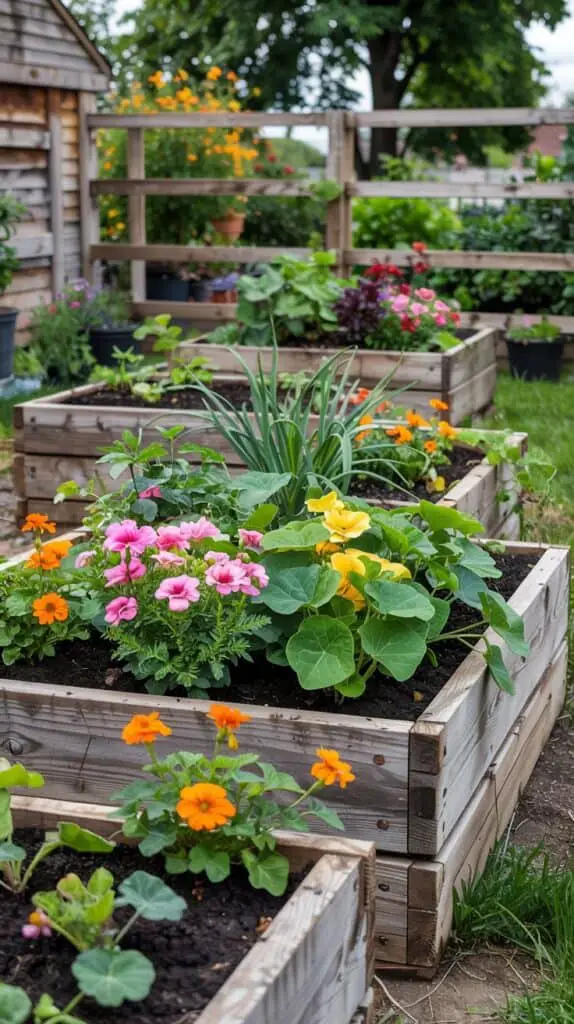
Raised beds don’t have to be only practical or only decorative. Some of the most effective flowerbed ideas for backyard spaces combine both.
Vegetable garden beds can look surprisingly structured when paired with flowers that spill slightly over the edges. Marigolds, nasturtiums, and herbs add color while staying low-maintenance. This mix softens the look of wooden or block beds and helps them blend into the rest of the yard.
For families, mixed planting keeps kids interested throughout the season. Something is always changing, blooming, or ready to harvest. It also spreads risk — if one crop struggles, the bed doesn’t look empty or neglected.
Use Elevated Beds to Improve Accessibility
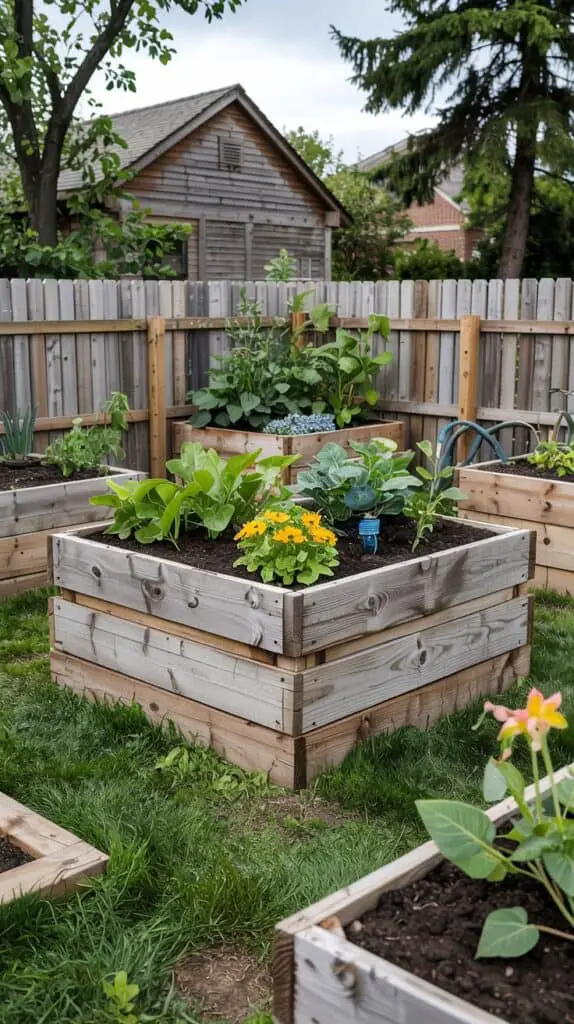
An elevated garden bed isn’t just about comfort — it’s about making gardening more realistic for everyday life. Slightly taller beds reduce bending, improve drainage, and often feel more contained.
For renters or beginners, elevated beds are easier to control. Soil quality stays consistent, weeds are easier to manage, and plants are less likely to be trampled accidentally. For families gardening with kids, these beds help define “garden space” versus “play space” without fences or barriers.
Elevated beds also visually lift the yard. Even in a flat space, they add dimension and make the garden feel intentional rather than temporary.
Work With Existing Paths and Edges
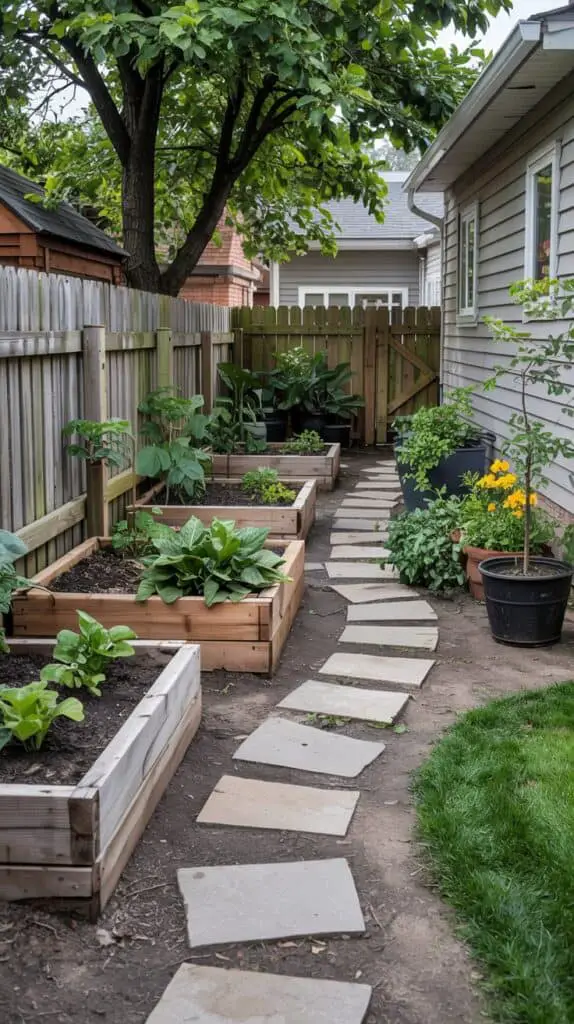
You don’t need to add new walkways to make raised beds work. Often, existing paths, patios, or fence lines provide all the structure you need.
Placing raised beds alongside a fence creates a clean edge and keeps taller plants from shading the rest of the yard. Aligning beds with an existing patio or deck helps the garden feel connected to the house rather than tacked on.
Backyard landscaping raised beds are most successful when they feel like a natural extension of the space. If people already walk a certain route through the yard, keep that path clear and place beds where they support movement instead of blocking it.
Keep Soil and Plant Choices Low-Stress
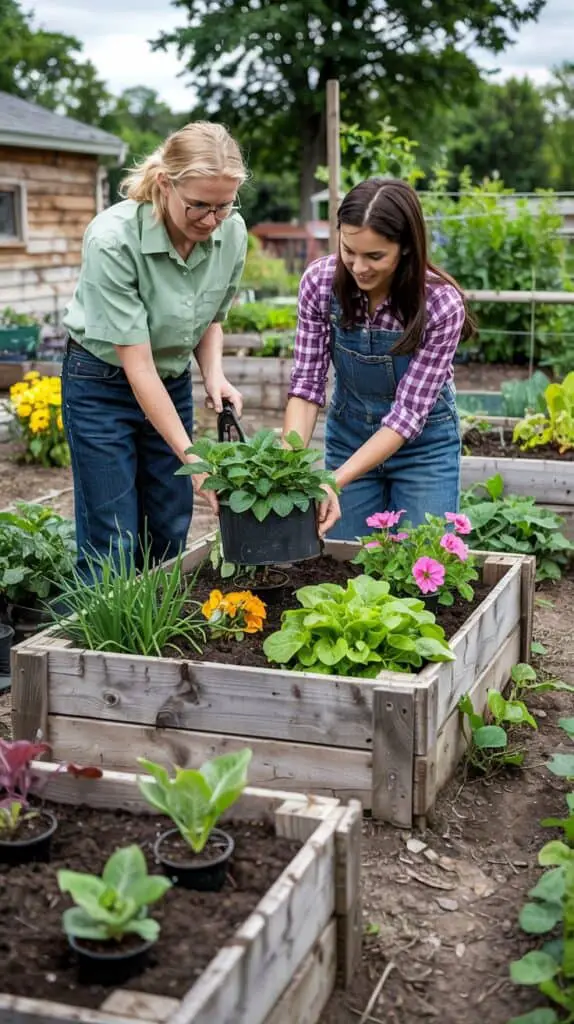
Budget gardening often fails when too much money goes into soil and plants before the layout is tested. Raised bed ideas work best when they’re allowed to evolve.
Start with basic soil mixes and reliable plants. Leafy greens, herbs, and hardy flowers establish quickly and provide visual feedback fast. As confidence grows, beds can be amended or replanted over time.
For families, low-stress planting means fewer disappointments. It’s easier to enjoy gardening when success comes early and maintenance feels manageable. Raised beds DIY projects should support real life, not create more work.
Make Raised Beds Feel Temporary but Intentional
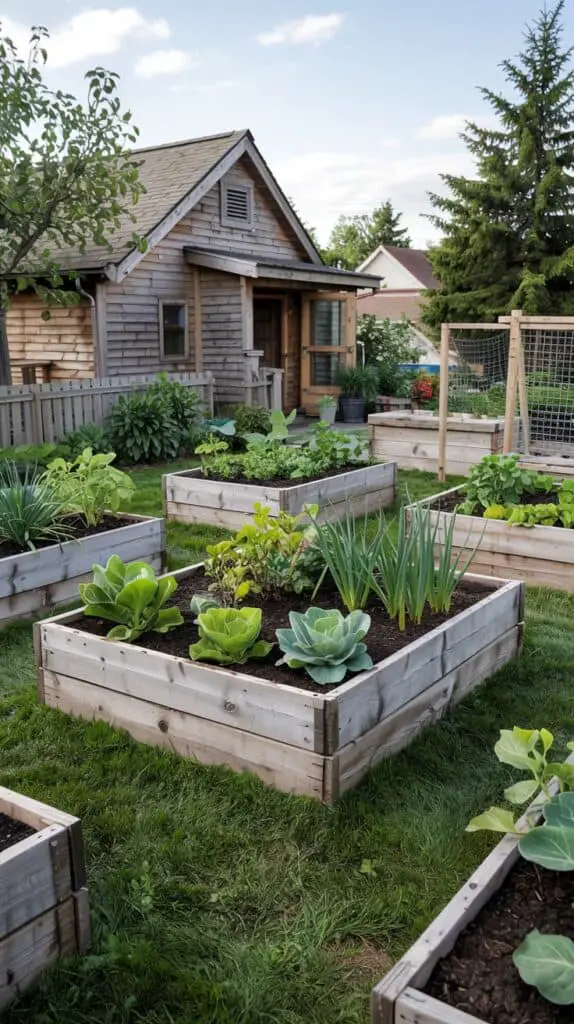
One of the quiet strengths of raised garden beds is that they don’t have to be permanent to feel finished. This is especially important for renters or anyone unsure about future plans.
Beds can sit directly on grass, be rearranged seasonally, or removed entirely if needed. The key is making them look intentional while they’re there. Consistent spacing, aligned edges, and simple plant choices go a long way.
Diy raised beds that acknowledge flexibility often age better than overly ambitious builds. They leave room for change — new plants, different layouts, or even a move to a new home.
Use Raised Beds to Frame Small Backyards
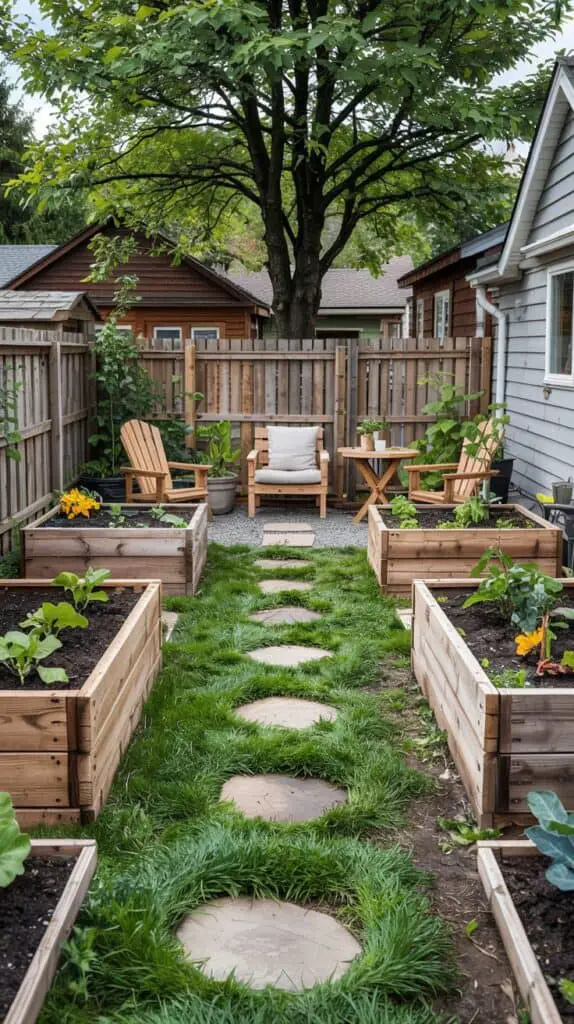
In smaller yards, raised beds can act as framing devices rather than focal points. Instead of placing them in the center, consider lining the perimeter.
This approach leaves open space for kids, pets, or outdoor furniture while still adding greenery. Backyard gardening space ideas that prioritize openness tend to feel larger and more relaxed.
Framing also reduces visual clutter. When beds follow the yard’s natural boundaries, they feel integrated rather than intrusive.
Let the Garden Look Lived-In
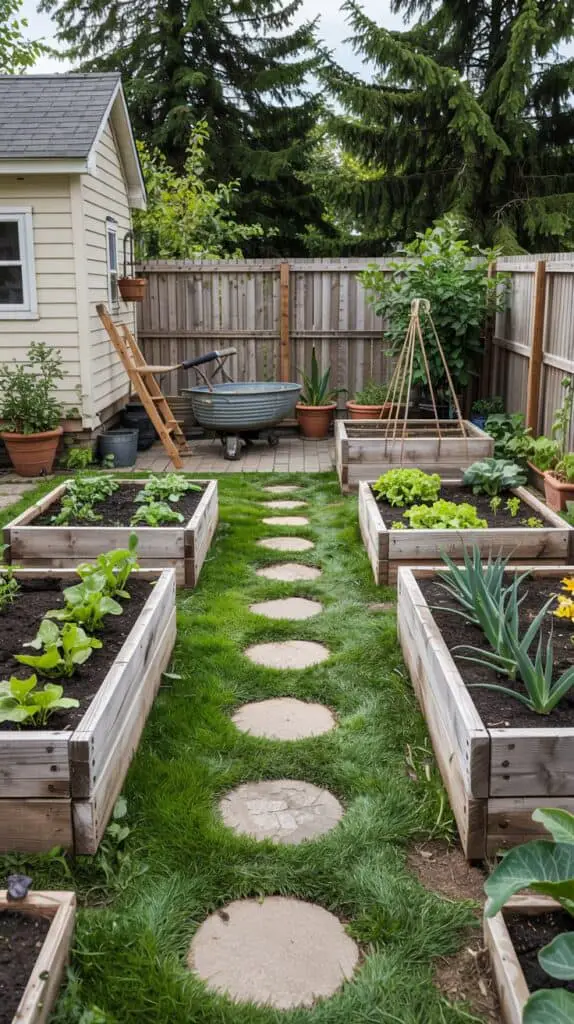
Pinterest-friendly spaces often look too perfect to maintain. Real backyards benefit from a more relaxed approach.
Raised garden beds don’t need pristine edges or constant replanting to feel successful. A bit of uneven growth, visible soil, and seasonal change make the space feel lived-in and welcoming.
For families especially, gardens should support daily life. Muddy shoes, half-harvested beds, and evolving layouts are signs the space is being used — not neglected.
Conclusion
Refreshing your backyard for spring doesn’t require a full redesign or a big budget. Raised garden beds offer a flexible, renter-friendly way to add structure, greenery, and purpose to almost any yard. By keeping layouts simple, materials affordable, and expectations realistic, it’s possible to create a space that feels both intentional and adaptable.
Whether you’re working with a grassy backyard, experimenting with vegetable garden beds, or exploring raised beds DIY for the first time, the goal isn’t perfection. It’s building a backyard that works for your life right now — and grows with you over time.