
Spring always makes me notice what winter left behind: the gray film on the walkway, the greenish patio corners, the sad-looking pots, and the “how did that happen?” leaves stuffed into every edge. The nice thing is you don’t need a full yard overhaul to get that fresh-start feeling. A quick clean plus a few intentional planting moves can make a spring garden look cared-for fast—without spending a lot.
This is the approach I come back to when I want real change on a real budget: pressure-wash what’s already there, then plant in a way that looks purposeful (not random). It works for small rental patios, suburban front yards, and those in-between spaces like side yards and driveways. It’s also renter-friendly in the sense that you can focus on surfaces and containers you’re allowed to touch—and skip anything permanent.
Start with a 30-minute “what actually shows” walkthrough
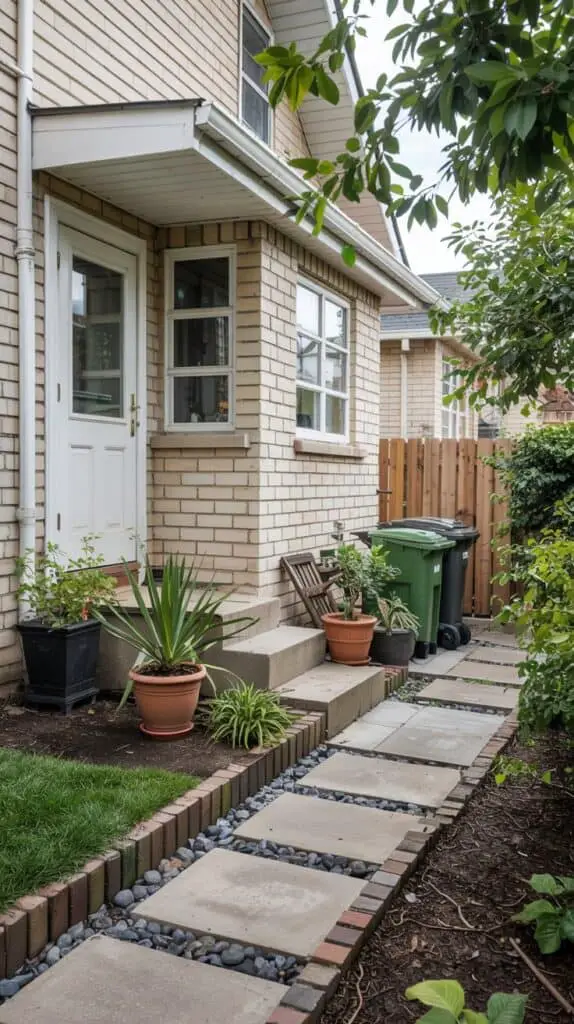
Before buying anything, do one lap around your place and notice what you see first from the street, the driveway, or the back door. In most homes, the “impact zones” are small: the front step, the main path, a strip by the fence, the patio edges, the area around the hose spigot, and the spot where trash bins live.
Take a quick phone photo of each zone. Photos are weirdly honest. They’ll show you what’s cluttered, what’s stained, and what’s simply empty. Empty is good news, because empty is easy to improve cheaply.
If you’re renting, this is also the moment to decide what’s portable. Think: pots, window boxes, a small edging border made from movable materials, and plants you can take with you later.
Pressure-wash the surfaces that make everything look older than it is
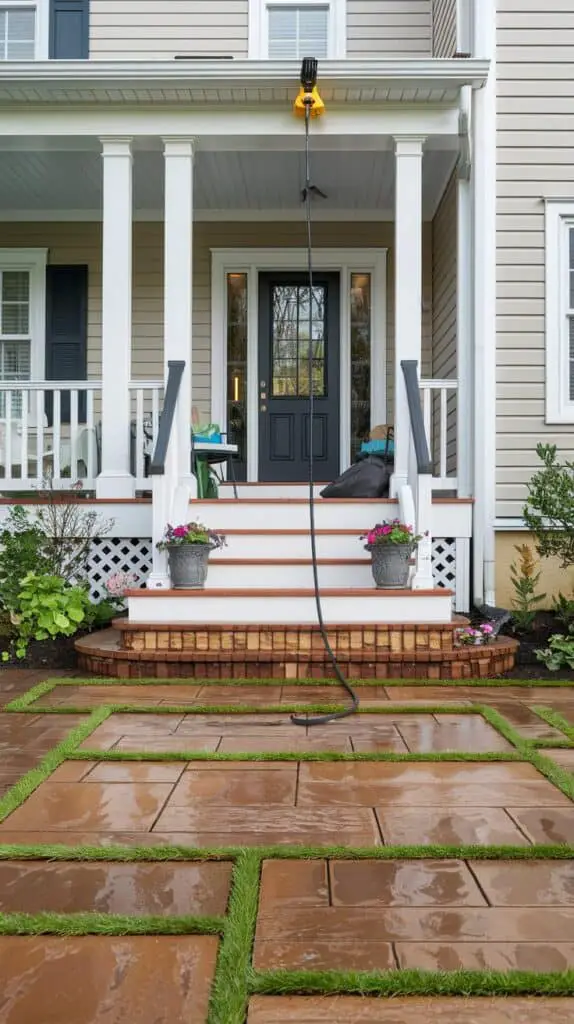
Cleaning is the cheapest landscaping trick there is because it changes the “background” instantly. When the hard surfaces look brighter, the whole yard reads as more maintained—even before you plant a single thing.
Focus on the areas that frame your spring garden:
- Front steps and porch landing
- Walkway pavers or concrete path
- Patio slab, especially corners and edges
- Driveway strip closest to the entrance
- Fence panels near the seating area
- Outdoor rugs (if washable) and planters (empty first)
A few practical tips so you don’t accidentally cause damage:
- Use the widest nozzle you have for most surfaces, and test a small spot first.
- Keep the wand moving; lingering in one place can etch concrete or shred softer wood.
- For decks or older wood, use low pressure and more distance. Sometimes a stiff brush + soapy water is safer than blasting.
- If you’re in a rental, skip siding and anything that could force water behind panels. Stick to patios, paths, and movable items unless you have permission.
If you don’t own a pressure washer, a small rental from a hardware store can still be cheaper than buying new “fix-it” décor. Even a strong hose nozzle plus a scrub brush can get you most of the visual improvement in a weekend.
Clean the edges: the small detail that makes it look “finished”
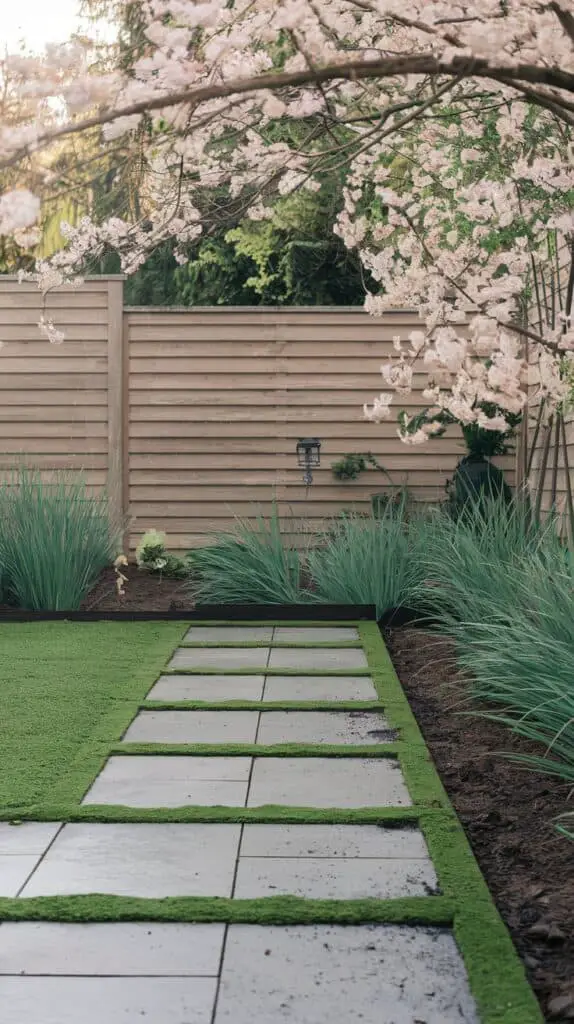
This is the underrated part of cheap spring landscaping. Edges are where yards look messy: grass creeping over the walkway, moss in cracks, leaves jammed into corners, and that skinny strip of weeds along the fence.
After washing, do a simple edge reset:
- Pull weeds while the soil is damp (it’s easier)
- Use a flat shovel or edging tool to create a clean line along the path
- Sweep debris out of paver gaps and refill with sand if needed
- Trim back overhanging plants so the path feels open
- Rake out old mulch that’s turned into a muddy layer
You don’t need perfect. You just want a deliberate boundary. A clean edge makes even basic plants look like part of a plan.
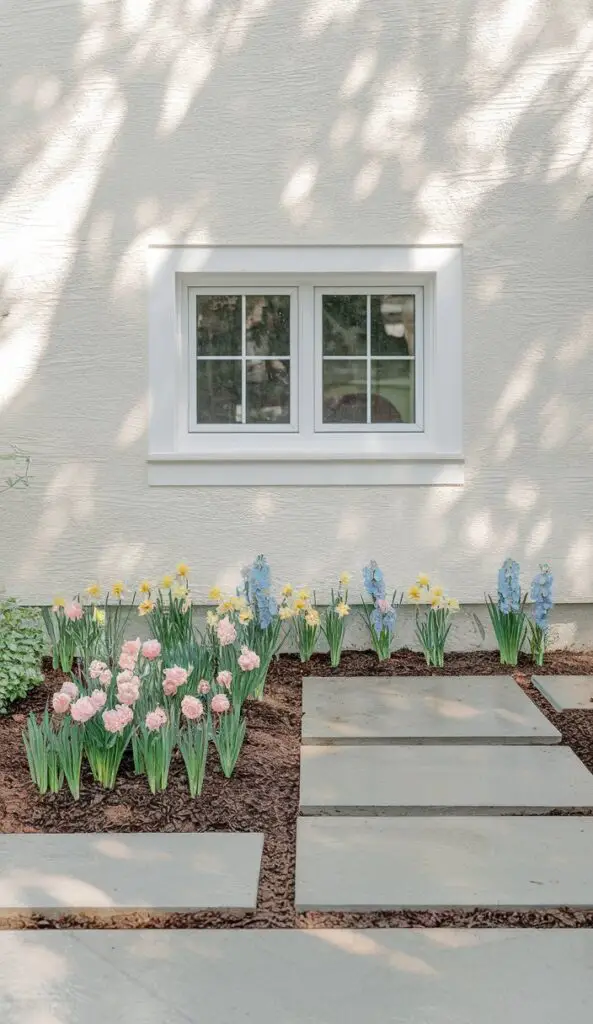
Plant in “anchors,” not scattered singles
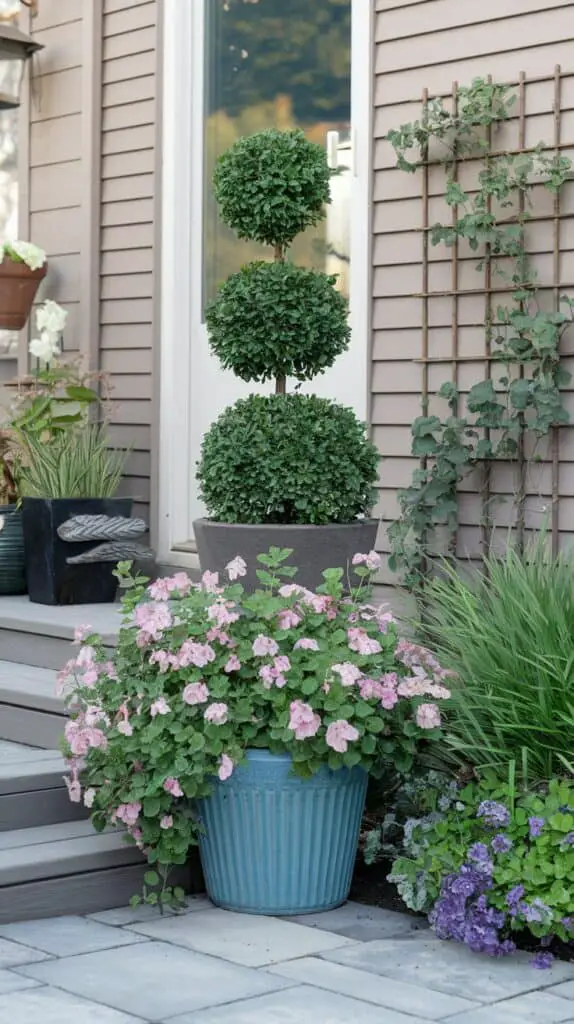
The fastest way to make a spring garden look expensive is to plant in grouped shapes instead of one-of-each. It’s also cheaper because you can repeat the same budget-friendly plant and still get impact.
A simple formula that works in front yards, back patios, and side strips:
- One tall anchor (or “back” plant)
- One medium, leafy filler
- One low or trailing plant to soften the edge
In a tight budget landscaping ideas mindset, anchors can be things like:
- A single large pot with a small evergreen shrub (dwarf boxwood, juniper, or a hardy grass)
- A trellis with a climbing vine in a container
- A sturdy planter on each side of the steps (even if the plants are simple)
Then repeat the same filler plant in 3s or 5s instead of buying five different things. Repetition reads calm and intentional, which is the vibe most people want when they pin landscaping photos.
Use mulch as a “visual reset” and weed control you can actually afford
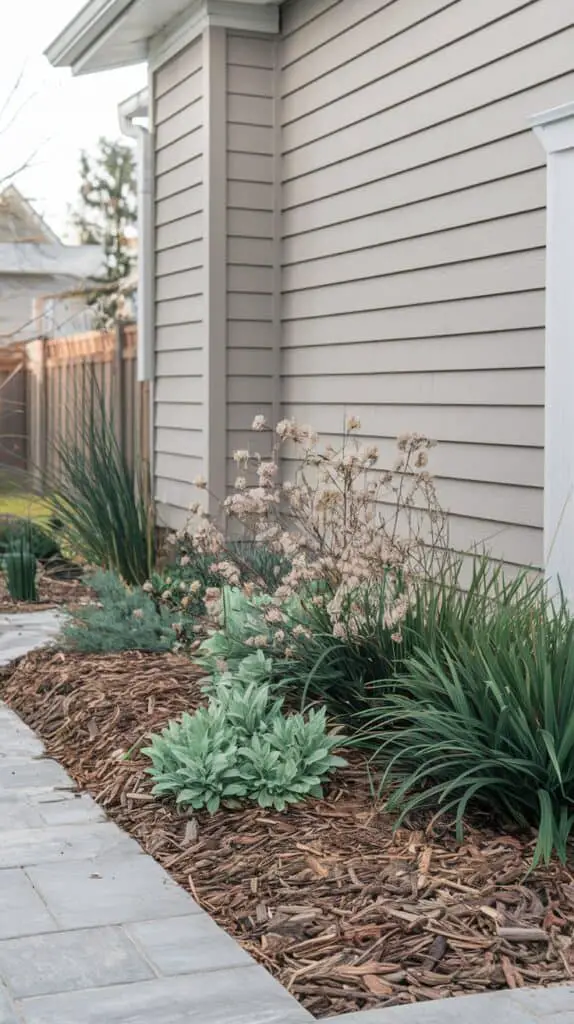
Mulch isn’t glamorous, but it’s the quickest way to make planting look tidy and intentional. It also stretches your budget because it makes sparse planting look full.
A few cheap spring landscaping options:
- Basic wood mulch from bags when it’s on sale
- Free arborist wood chips (often available locally)
- Pine straw (in regions where it’s common)
- Shredded leaves (works in back beds and under shrubs)
Mulch does three things that matter in a spring garden:
- Covers bare soil so weeds don’t steal the show
- Holds moisture so you water less
- Creates a consistent “base color” that makes plants pop
If you’re renting, mulch is still often fine because it’s not permanent. Keep it neat and avoid piling it against the house.
Plant for quick color now, and reliable green later
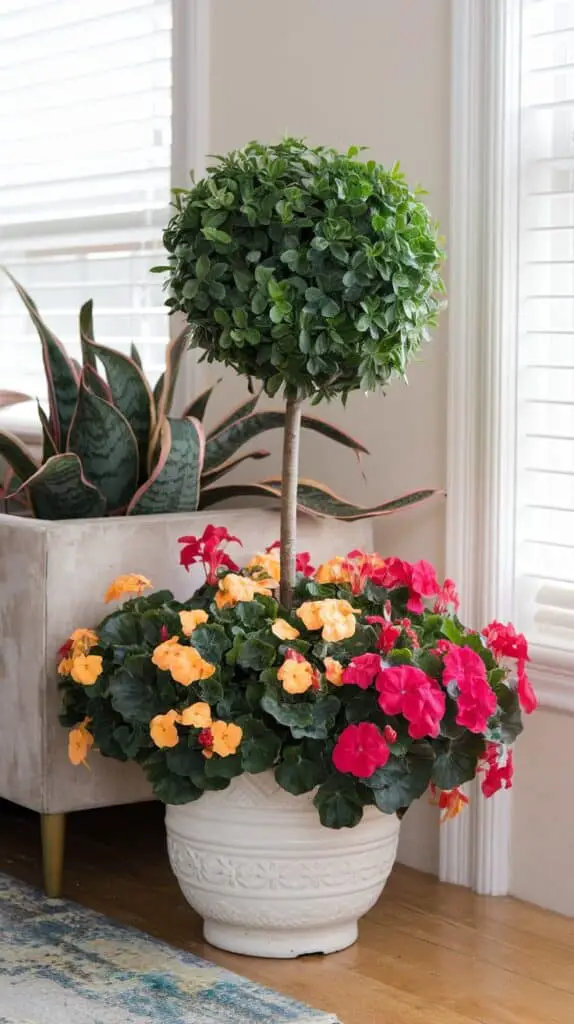
If you want results fast, you need at least one thing that looks good immediately. That’s usually annuals, early-blooming perennials, or flowering shrubs—depending on your budget and how long you’ll stay in the home.
A balanced, budget-aware mix:
- One or two small perennials that will come back (the “future you” investment)
- A few annuals for instant color (the “right now” boost)
- One evergreen or structured plant for shape (the “always looks okay” insurance)
If you’re a beginner, choose plants that forgive missed watering. If you have kids or pets, skip anything known to be irritating or toxic and stick to sturdy, non-fussy options. And if you’re not sure about sunlight, do this simple test: notice where the sun lands at 9 a.m., noon, and 4 p.m. That will tell you more than guessing.
For a clean, not-cluttered look, pick a tight color palette—two flower colors plus green foliage is plenty.
Refresh containers instead of rebuilding beds
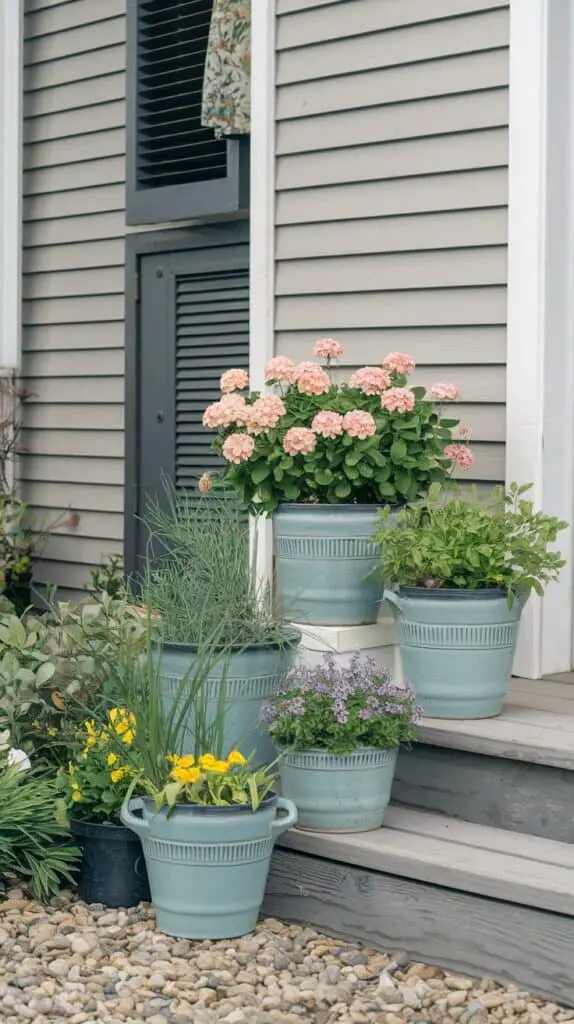
Containers are renter-friendly, movable, and surprisingly transformative when you keep them consistent. If you already own pots, pressure-wash them, then repaint only if they truly need it. A unified look can come from repeating just two sizes and one neutral color.
Cheap container upgrades that look intentional:
- Group pots in clusters of three (one tall, one medium, one low)
- Add one “statement” container by the front door or patio step
- Use the same plant in multiple pots to create rhythm
- Top soil with mulch or small gravel so it looks finished
If you’re trying to keep costs down, the plant choices for containers can be simple: herbs, hardy flowers, and leafy greens that tolerate your weather. A small container spring garden near the kitchen door is also one of the most-used, most-enjoyed upgrades you can make.
Patch and soften the “awkward strips” with ground cover thinking
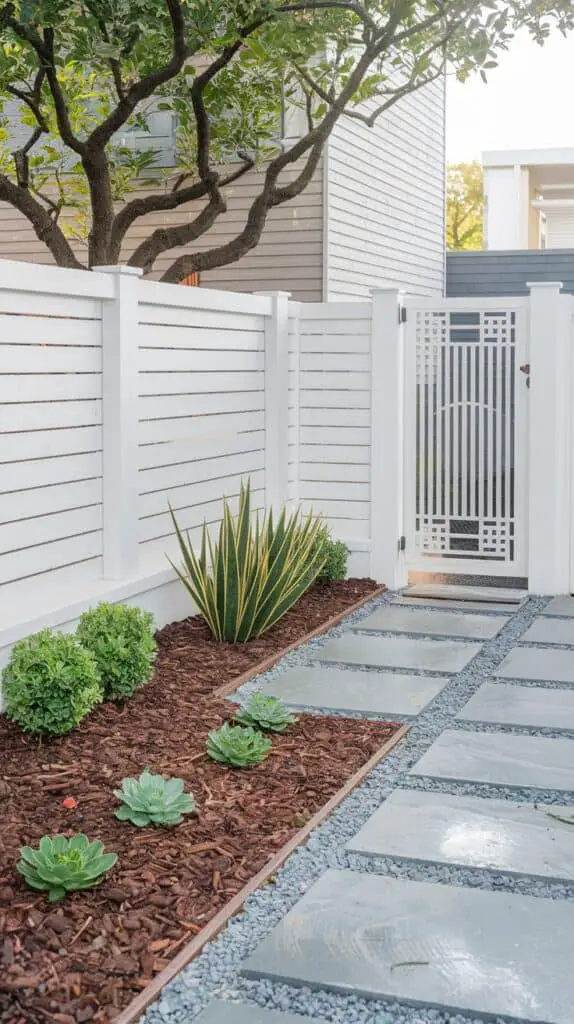
Most homes have at least one annoying area: the strip between driveway and fence, the narrow side yard, the spot under a spigot, the dry corner by a gate. These areas usually don’t need fancy landscaping—they need coverage and a cleaner line.
Instead of fighting these spaces, aim for one of three treatments:
- Mulch + a few tough plants spaced out
- Low ground cover (or a similar “carpet” look)
- Gravel + stepping stones + one or two planters
This is where pressure-washing helps again. When the path and gate area are clean, even a basic mulch-and-plant setup looks deliberate. It becomes “a simple side garden” instead of “the place where the weeds live.”
If you’re renting, favor solutions you can reverse: mulch that can be raked up, planters that can move, and stepping stones that sit on top rather than being set in concrete.
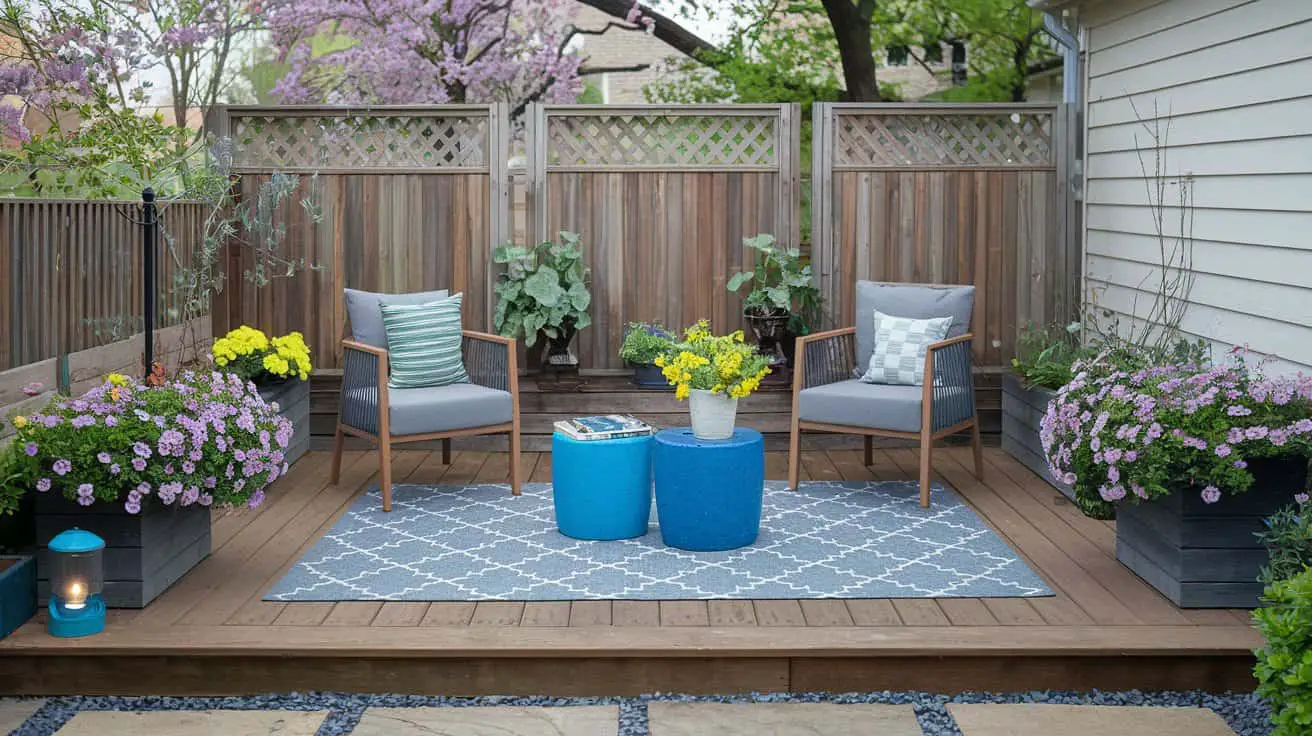
Make the seating area feel like part of the landscaping
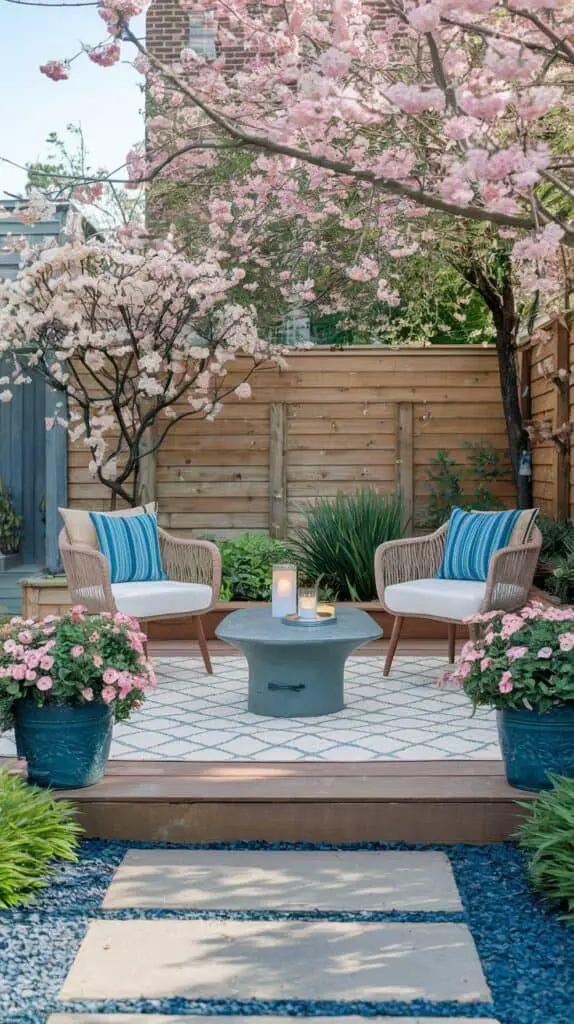
A spring garden doesn’t have to be all plants. Often the biggest upgrade is cleaning and framing the place you actually sit.
Try this sequence:
- Pressure-wash the patio or small deck area
- Wash outdoor chairs or wipe them down thoroughly
- Define the space with one outdoor rug (if you use rugs)
- Add two planters to “bookend” the seating area
- Add one simple solar light or lantern for evening softness
This is budget landscaping at its most practical: you’re improving the space you use, and the planted containers make it look like a designed outdoor room.
If you have kids, keep the center open and put plants on the edges. If you have pets, avoid thorny plants near walkways and choose sturdier containers that won’t tip easily.
Keep it low-maintenance with a simple weekly reset
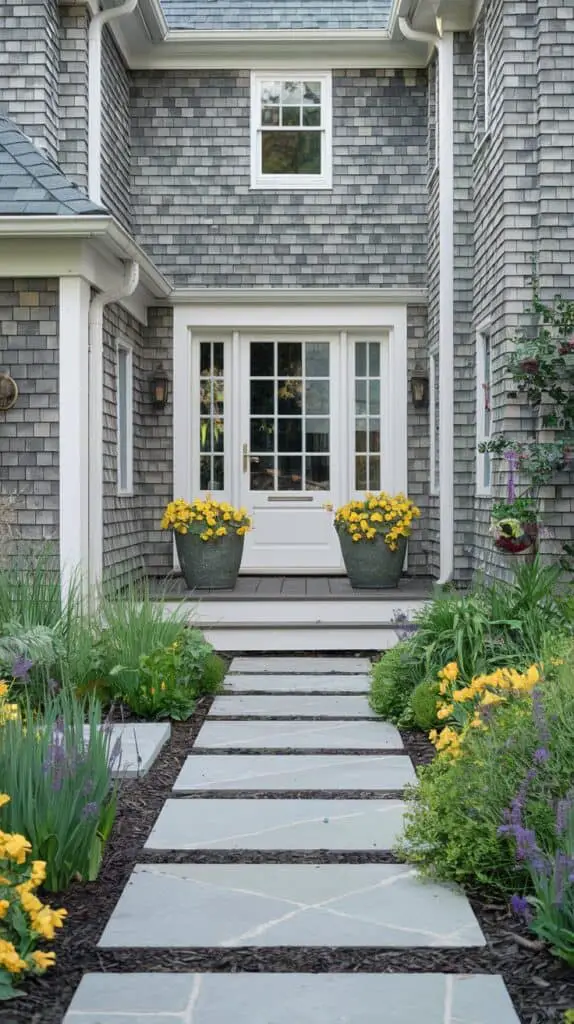
The reason some spring gardens look amazing in photos and then fall apart in real life is maintenance feels vague. The fix is a short routine that matches how you actually live.
A realistic weekly reset (15–25 minutes):
- Sweep the walkway and porch
- Pull weeds in cracks before they get big
- Check containers for dry soil (pots dry out faster)
- Trim anything flopping into the path
- Top up mulch where soil is showing
Then once a month, do a quick “re-wash” on high-traffic spots if needed—sometimes just blasting off pollen and dust makes everything feel fresh again.
The goal isn’t perfection. It’s that calm, clean, “we take care of this place” feeling—even if your budget is tight and your schedule is full.
Conclusion
When you’re working with a limited budget, the fastest spring garden transformation usually isn’t buying more stuff—it’s cleaning what you already have and planting in a way that looks intentional. Pressure-wash the surfaces that frame your yard, reset the edges, then add plants in grouped anchors and repeatable patterns. With a little mulch and a few well-placed containers, even a small space can look bright, cared-for, and genuinely welcoming for spring.