
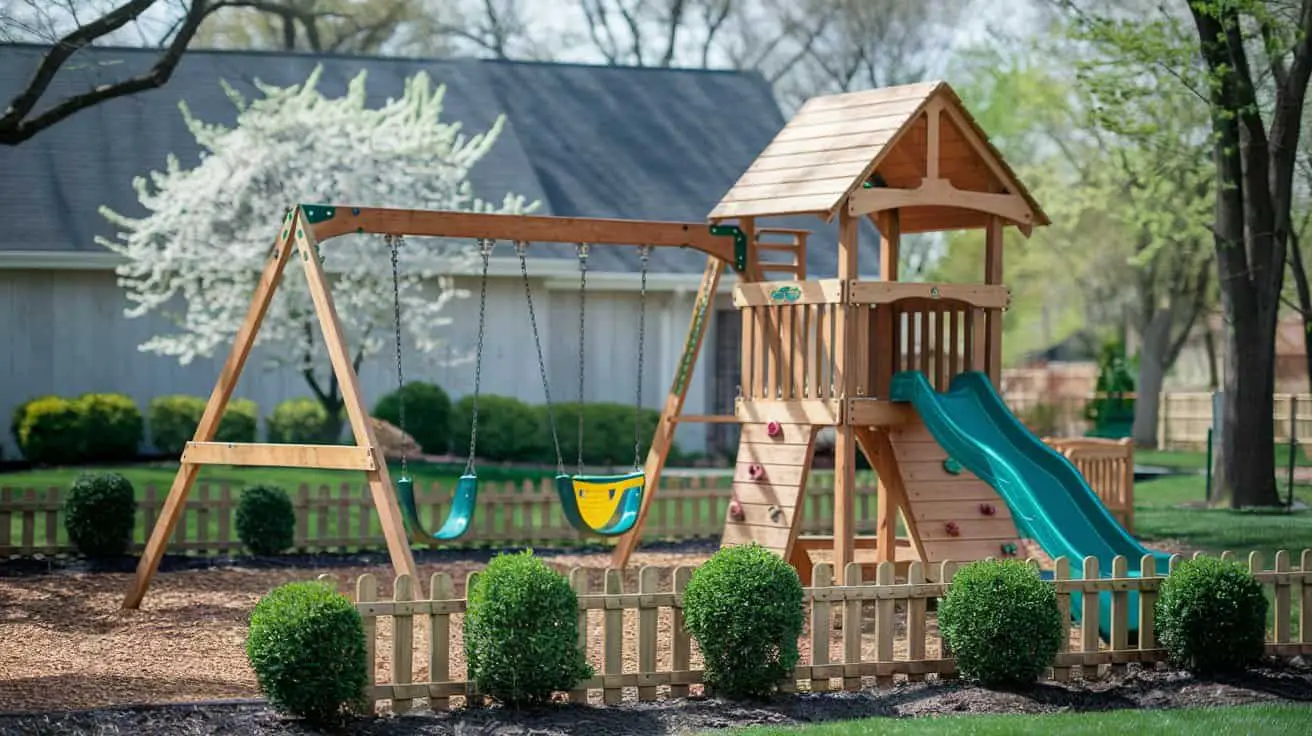
Spring has a way of pulling everyone outside at once. The kids want space to move, dig, climb, and invent games, while the adults start thinking about planting, tidying, and making the yard feel usable again. Backyard play spaces don’t have to choose between those needs. With a little planning, raised beds and kid-friendly design can exist side by side in ways that feel natural, safe, and genuinely enjoyable for the whole family.
This article focuses on backyard play spaces that blend gardening and play without turning the yard into a theme park or a fragile show garden. The goal is a space that feels lived-in, flexible, and welcoming—especially in spring, when outdoor routines are still forming and everything is growing at once.
Designing Backyard Play Spaces That Work for Both Kids and Plants
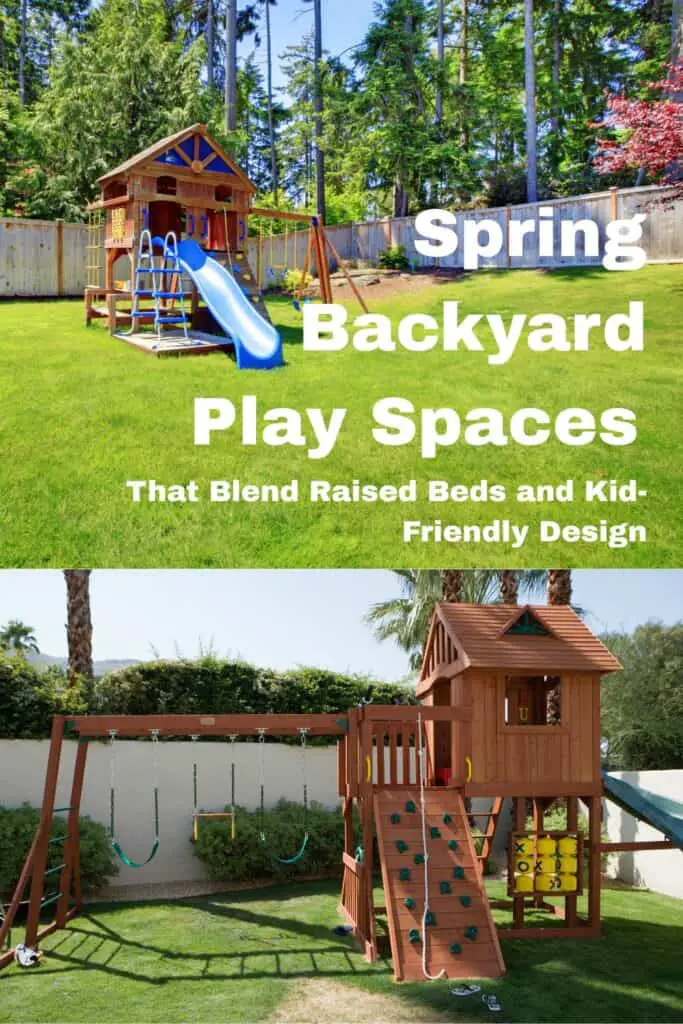
The most successful backyard play spaces start with a mindset shift. Instead of separating “adult” zones from “kid” zones, think in layers and shared use. Raised beds can become borders, dividers, or even interactive elements in a kids yard when designed with intention.
Spring is the ideal time to experiment because plants are small, routines are flexible, and kids are curious. Low-profile raised beds, wide pathways, and soft edges allow kids to move freely while still respecting growing areas. The design doesn’t need to be symmetrical or polished. In fact, slightly imperfect layouts often work better because they feel less restrictive and more inviting.
When gardening and play happen together, kids naturally learn where they can step, what needs care, and how outdoor spaces change over time. This turns a simple backyard into an early outdoor learning space without formal lessons or rigid rules.
Raised Beds as Natural Boundaries in a Kids Yard
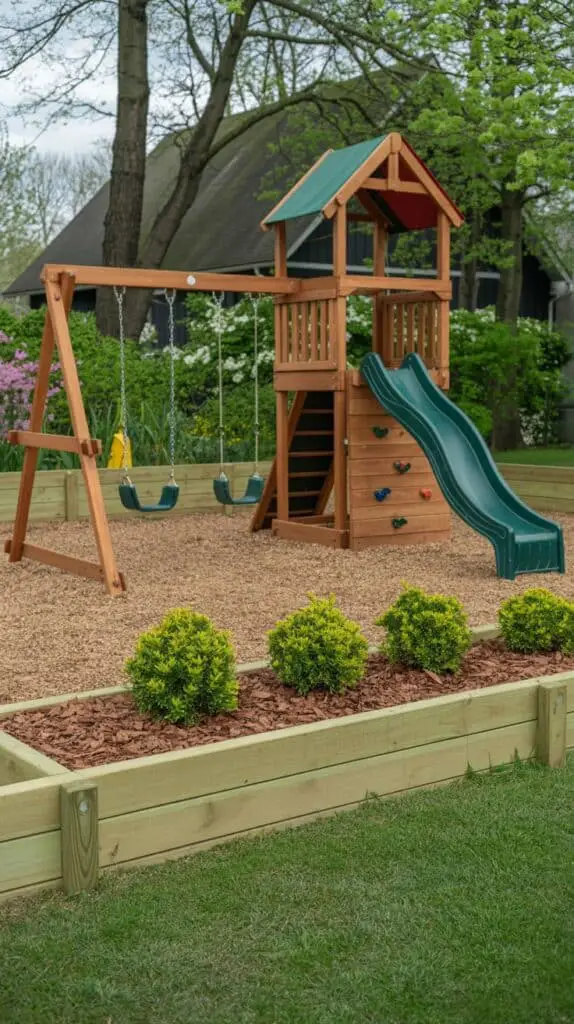
Raised beds are one of the easiest ways to organize backyard play spaces without fences or harsh dividers. In a kids yard, they work well as visual boundaries that guide movement while still keeping everything open.
Beds that are 10–14 inches tall are high enough to protect plants but low enough for kids to sit on, balance along, or use as part of imaginative play. Arranged in L-shapes or gentle curves, they can define play zones, gardening zones, and shared areas without making the yard feel chopped up.
In spring, these beds also help keep muddy soil contained. Kids can run, scoot, or crawl nearby without trampling seedlings, and adults don’t have to constantly redirect them. This balance is especially helpful for families who want backyard playground ideas that don’t rely on bulky equipment.
Using untreated wood, composite boards, or even stock tanks keeps things budget-aware and adaptable. For renters, freestanding beds that sit on the ground without anchors can be moved or reconfigured as needs change.
Creating Natural Outdoor Play Spaces with Open-Ended Materials
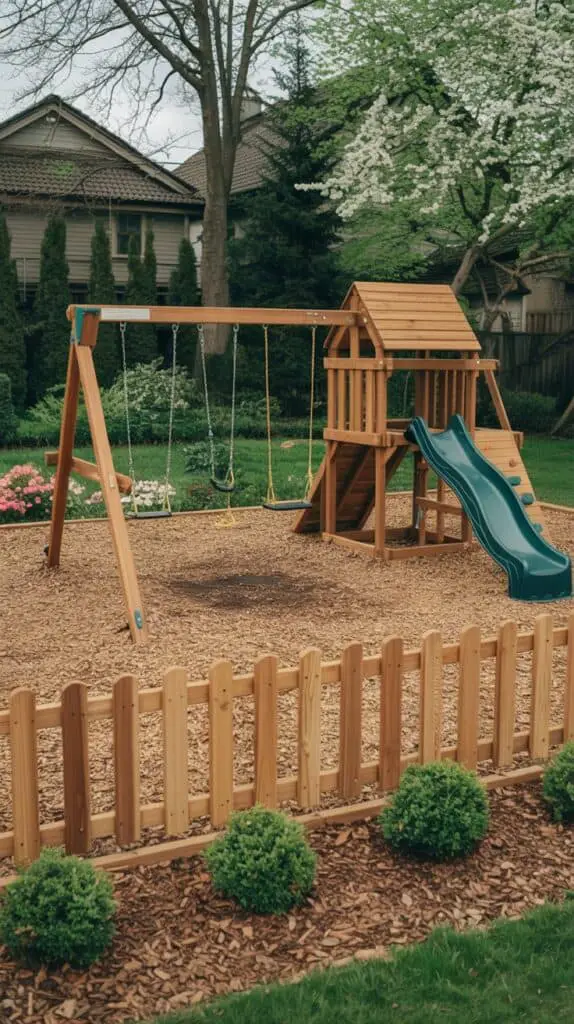
Natural outdoor play spaces don’t require elaborate structures. They rely on materials that invite kids to decide how to use them. When paired with raised beds, these materials help the yard feel cohesive rather than cluttered.
Think stepping stones set between beds, tree stumps used as stools, or a patch of mulch where kids can dig while adults garden nearby. These elements support a natural outdoor playground feel without overwhelming the space or budget.
Spring is a great time to introduce loose parts—sticks, smooth rocks, pinecones, or small logs—that kids can move, stack, and incorporate into games. Stored in a simple crate near the beds, these items turn gardening time into shared play time.
The key is leaving room for change. Natural outdoor play spaces evolve as kids grow, plants mature, and routines shift. What starts as a digging area in spring might become a reading nook by summer or a fort base in fall.
Combining Raised Beds and DIY Kids Playground Features
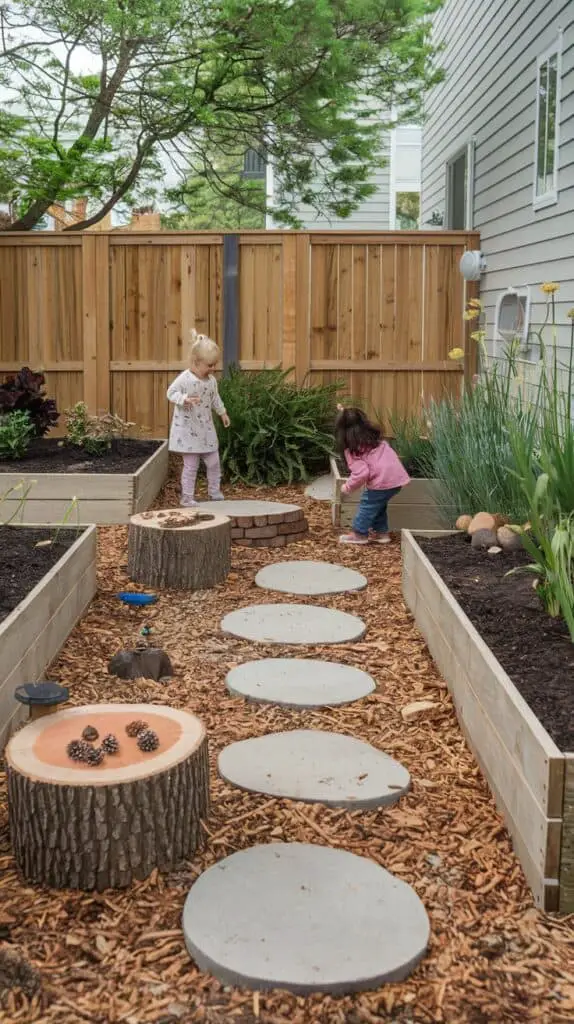
A DIY kids playground doesn’t have to sit apart from the rest of the yard. When designed thoughtfully, play features can blend directly into raised bed layouts.
For example, a simple balance beam made from a pressure-treated board can run between two garden beds. A small climbing dome can sit at the end of a bed row, visually anchoring the space. Even a basic sandbox can be framed with the same materials used for beds to keep the look cohesive.
In spring, these setups encourage kids to move between planting and play naturally. They might water seedlings, then climb, then come back to help again. This flow makes backyard play spaces feel active but not chaotic.
Keeping structures low and open helps maintain sightlines, which is especially important for families with younger kids. It also keeps the yard feeling visually calm, something many parents appreciate after a long winter indoors.
Small Outdoor Play Area Ideas for Compact Yards
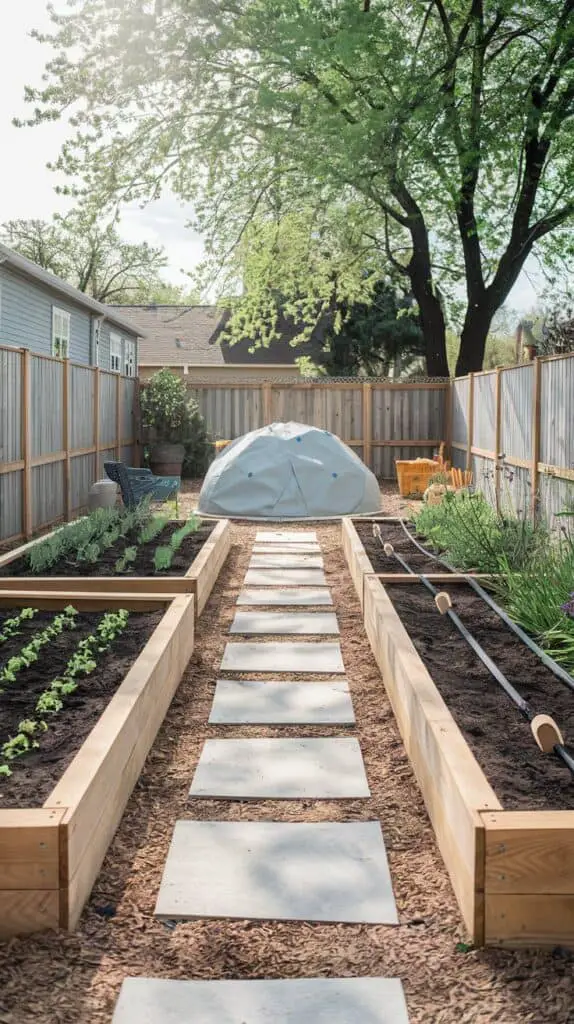
Not every home has a large yard, but backyard play spaces can still work beautifully in small outdoor play areas. Raised beds are particularly helpful here because they add function without taking up extra ground space.
In compact yards, beds can line fences or walls, leaving the center open for movement. A single open patch of grass, mulch, or turf becomes the main play zone, while the beds frame it and provide seasonal interest.
Vertical elements also help. Trellises attached to raised beds can grow peas, beans, or flowers in spring, creating soft green walls that kids love to peek through. These features add height without cluttering the ground.
For renters or families planning to move, modular beds and lightweight play elements keep everything flexible. The space can be reconfigured each spring based on kids’ ages and interests, making even a small yard feel fresh and intentional.
Kid Friendly Backyard Ideas That Support Safe Exploration
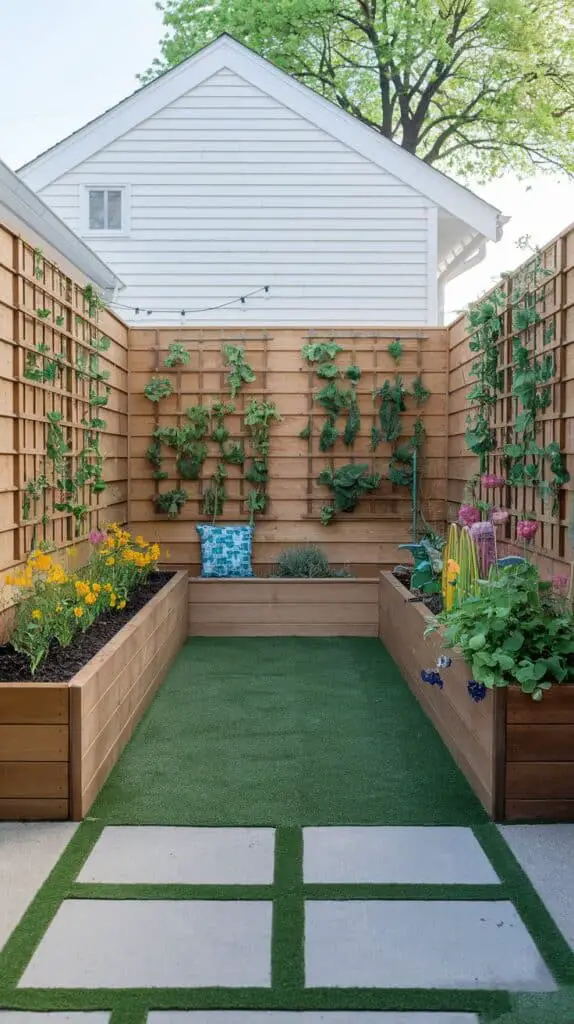
Kid friendly backyard ideas work best when safety is built into the design rather than enforced through constant rules. Raised beds help by clearly defining where plants live and where feet can go.
Rounded corners, smooth finishes, and stable construction reduce injuries without making the space feel overprotected. In spring, when kids are eager to explore after winter, these details matter.
Pathways between beds should be wide enough for kids to walk or run through without brushing plants. Materials like mulch, decomposed granite, or grass are forgiving underfoot and easy to maintain.
When kids feel trusted in the space, they’re more likely to respect it. Backyard play spaces that allow freedom within gentle boundaries often require less supervision than tightly controlled layouts.
Turning Raised Beds into Outdoor Learning Spaces
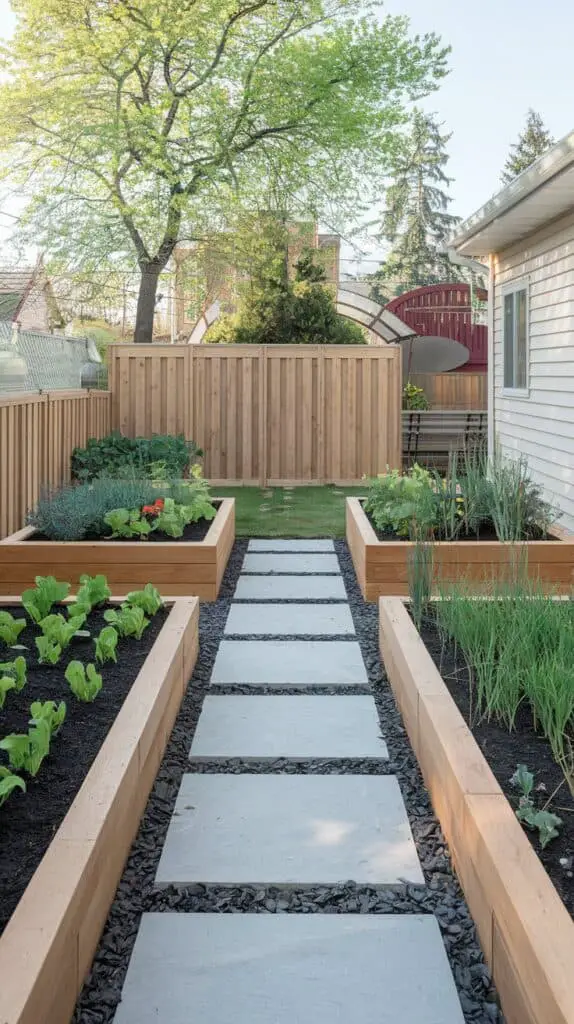
Raised beds naturally support outdoor learning spaces, especially in spring when everything is growing and changing quickly. Kids can see daily progress, ask questions, and take part without formal instruction.
Assigning a small section of a bed to a child—whether for flowers, herbs, or vegetables—gives them ownership without sacrificing the overall garden. Their plot can sit alongside adult-planted sections, reinforcing the idea that the yard is shared.
Labels, simple charts, or seasonal rituals like weekly watering days turn gardening into a quiet learning rhythm. These moments blend easily with play, especially when kids can move freely between beds and open areas.
Outdoor learning spaces don’t need to look educational. In fact, the most effective ones often look like regular backyard play spaces where curiosity is encouraged naturally.
Seasonal Spring Layouts That Grow With Your Family
Spring layouts should be flexible because family needs change quickly. What works for toddlers one year might need adjustment for older kids the next.
Raised beds make this easier because they’re modular. Beds can be added, removed, or rearranged without starting from scratch. Play elements can shift as kids grow stronger or more independent.
In spring, it’s helpful to leave some areas undefined. Open patches of ground allow kids to invent games, while empty bed corners can become future planting zones or seating areas.
Backyard play spaces that grow with a family tend to feel calmer and more sustainable. Instead of chasing trends, they evolve slowly, guided by real use rather than ideal images.
Balancing Visual Calm with Everyday Mess
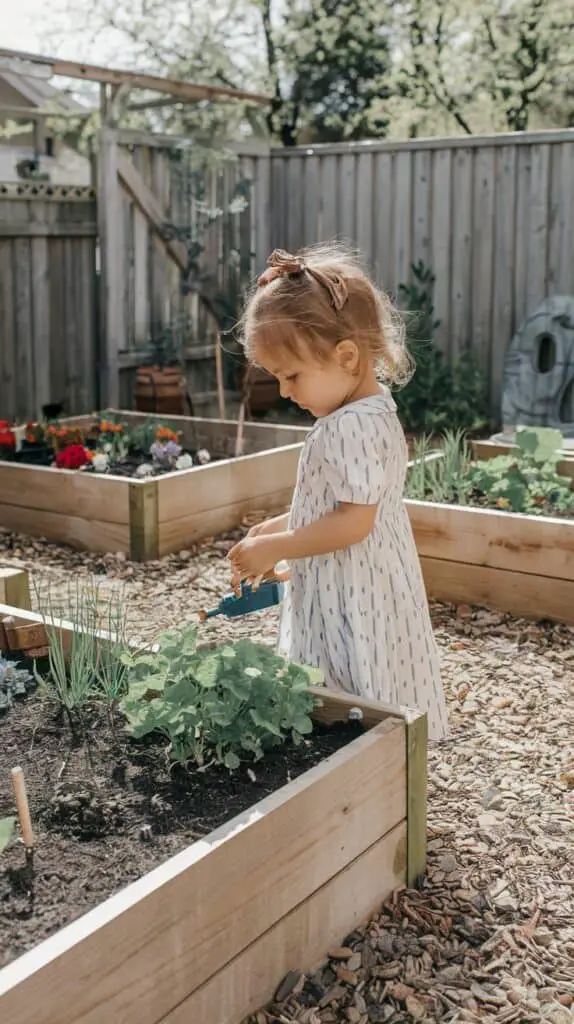
One concern many parents have is that combining play and gardening will make the yard feel messy. The reality is that backyard play spaces can still feel visually intentional with a few simple choices.
Using consistent materials for raised beds and play structures ties everything together. Limiting color palettes and keeping storage simple—like one crate for toys or tools—prevents clutter from spreading.
Spring mess is inevitable: muddy shoes, scattered tools, half-planted beds. Designing for easy cleanup, such as clear paths and defined zones, makes the mess manageable rather than stressful.
A yard that looks used but cared for often feels more welcoming than one that’s perfectly staged but rarely enjoyed.
Making Backyard Play Spaces Feel Shared, Not Split
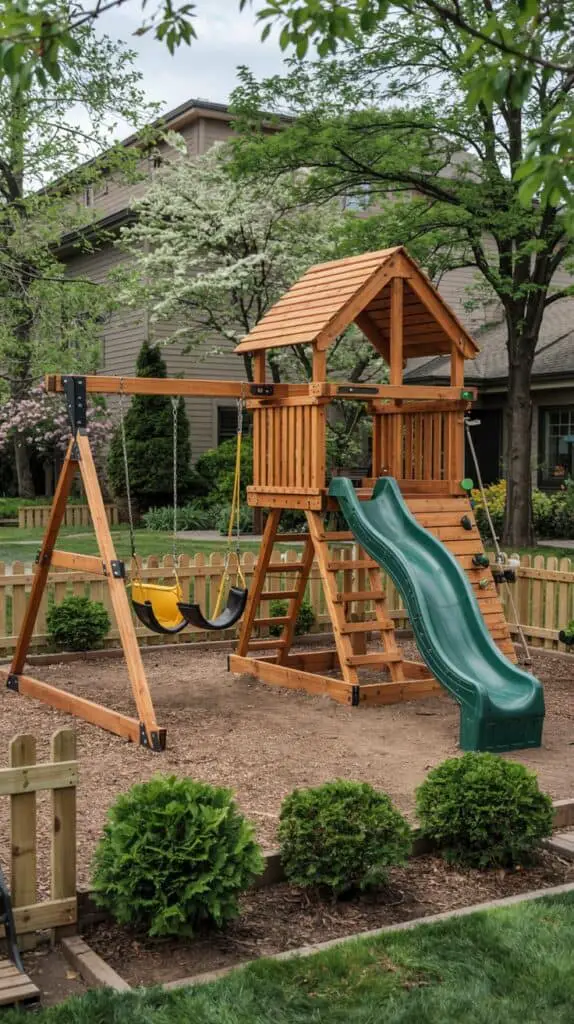
The heart of successful backyard play spaces is the feeling that the yard belongs to everyone. Raised beds shouldn’t feel off-limits, and play areas shouldn’t feel like adult-free zones.
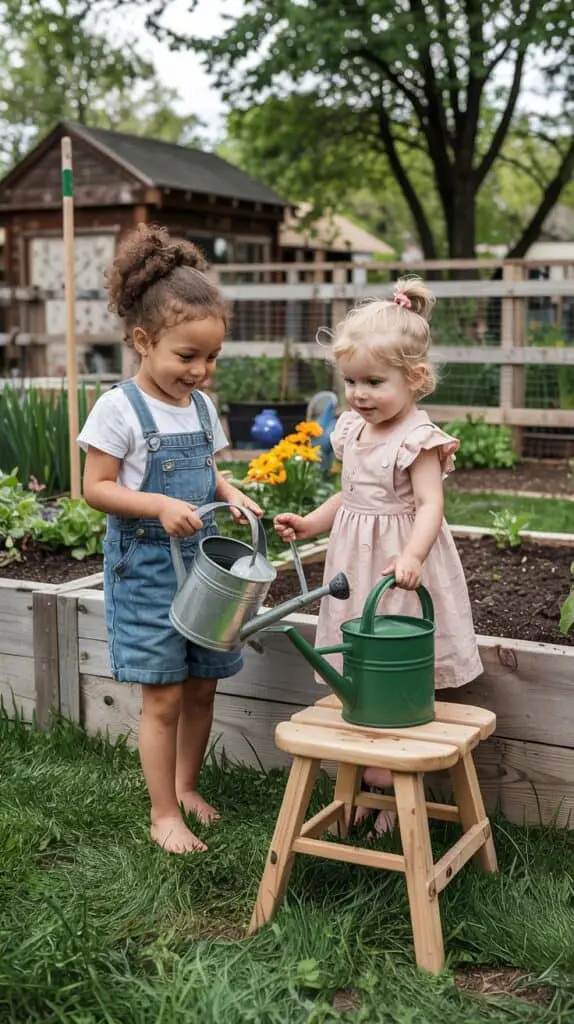
Simple touches help bridge the gap: a bench built into a bed edge, a watering can sized for kids, or a stool that works for both planting and play. These details encourage shared time outdoors, especially in spring when motivation is high.
When kids see adults enjoying the yard, they’re more likely to value it too. Gardening becomes less of a chore and more of a shared activity woven into daily play.
Conclusion
Spring backyard play spaces that blend raised beds and kid-friendly design don’t need to be complicated or expensive. By using raised beds as gentle boundaries, choosing natural play elements, and leaving room for flexibility, families can create yards that support both growth and play.
These spaces reflect real life: a little messy, always changing, and deeply personal. With thoughtful design, a backyard can become a place where kids play freely, plants thrive, and spring feels like a shared season rather than a balancing act.