
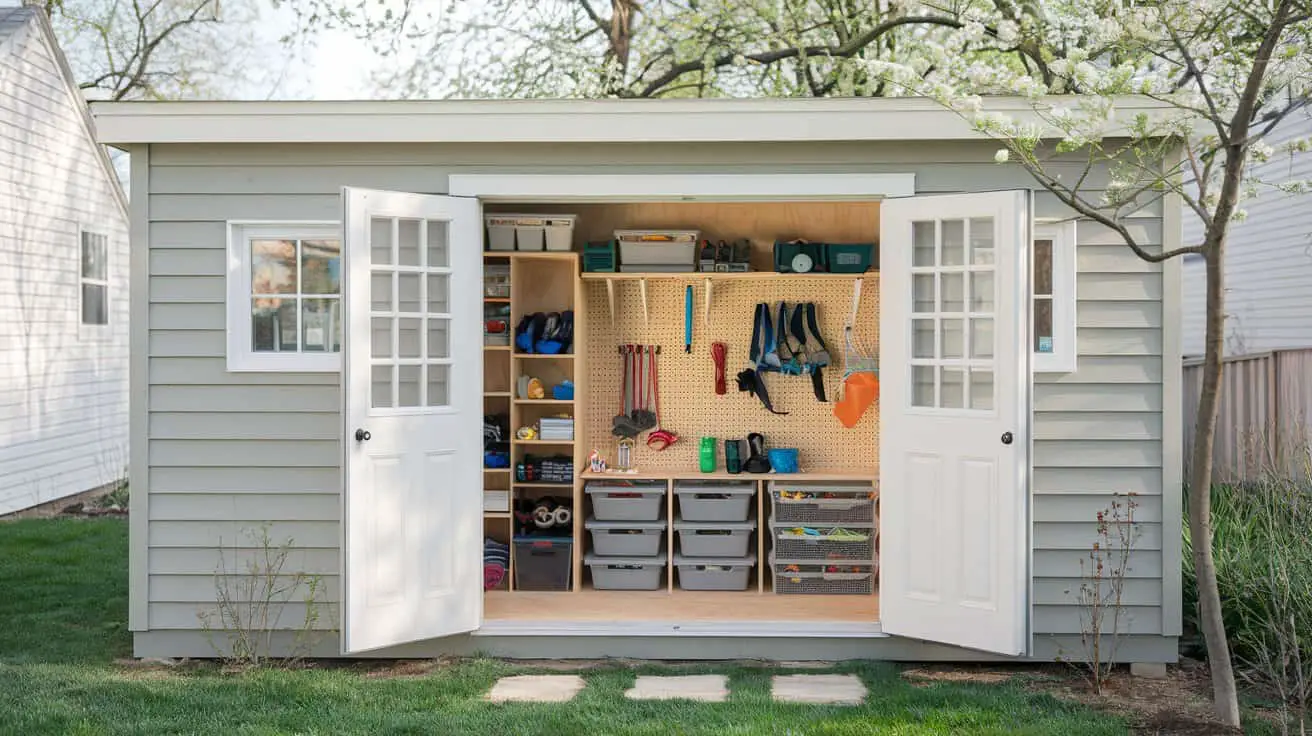
Spring has a way of exposing everything that didn’t quite work over winter — especially when it comes to the backyard shed. Tools get piled into corners, kids’ outdoor gear migrates indoors, and suddenly the shed feels more like a storage problem than a solution. The good news is that spring is also the easiest season to reset. With a few power tools, some planning, and a realistic budget, a backyard shed can become a functional extension of your home rather than a forgotten box at the edge of the yard.
This article is written for real households: families juggling sports equipment and garden tools, renters who need reversible upgrades, and anyone who wants a visually calm shed layout without spending every weekend or dollar on it. The ideas below focus on practical storage shed ideas for backyard spaces, using power tools to make the work faster and cleaner, not more complicated.
Start With a Shed Layout That Matches How Your Family Actually Uses It
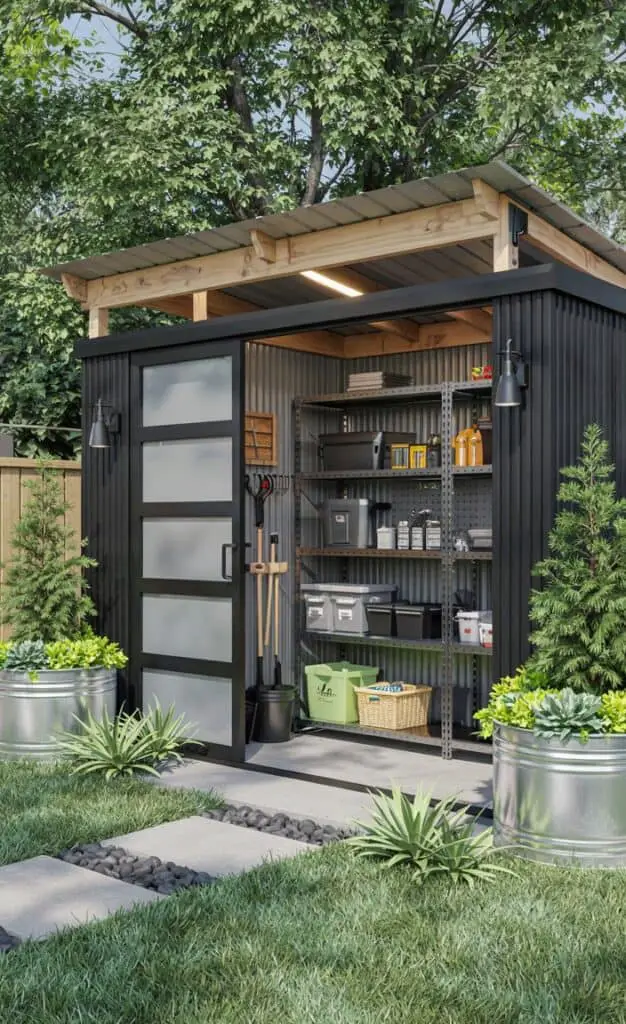
Before picking up a drill or saw, it helps to step inside the shed and look at it honestly. Not how you want it to work, but how it’s currently being used. Many yard sheds fail because they’re organized around ideal categories instead of real habits. For families, that usually means mixing garden tools, bikes, outdoor toys, pet supplies, and seasonal bins all in one space.
A workable shed layout starts with zones rather than shelves. One wall might be for long tools and lawn equipment. Another could be kid-accessible storage for balls, helmets, and chalk. If the shed doubles as a workspace, leave one clear surface rather than pushing everything to the edges.
Power tools make this planning stage more flexible. A cordless drill lets you mock up hooks and rails temporarily. A circular saw or jigsaw allows you to resize leftover boards into custom-fit shelving instead of forcing pre-made units into awkward corners. Even in small outdoor shed ideas, a thoughtful layout can make the shed feel twice as big.
Wall-Mounted Storage to Free Up Floor Space
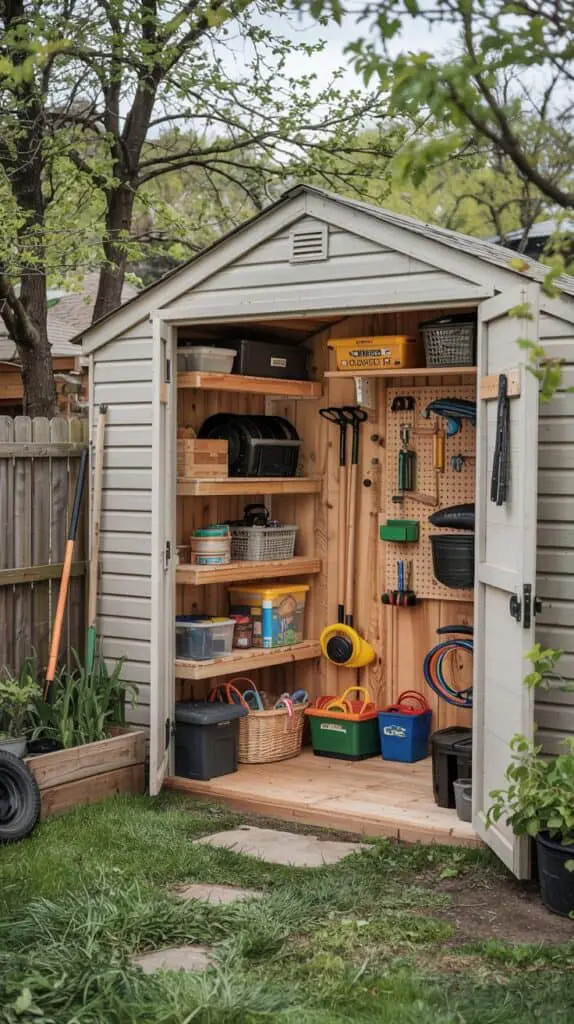
Floor clutter is what makes most backyard sheds feel unusable. Once the ground is blocked, everything else becomes harder to reach. One of the simplest shed addition ideas is shifting as much as possible onto the walls.
Using a drill and level, you can install basic wall-mounted rails, pegboards, or horizontal cleats. These systems work especially well for families because they’re easy to reconfigure as needs change. Garden tools hang vertically, bikes lift off the ground, and bins can be moved higher or lower depending on who needs access.
For renters, look for wall studs and limit drilling to existing framing. Many storage sheds ideas backyard plans rely on lightweight plywood panels screwed into studs, which can later be removed with minimal damage. This approach also works well for cheap she shed ideas, where budget and reversibility matter.
The visual payoff is immediate. Once the floor is clear, the shed feels calmer and safer, especially if kids are frequently in and out grabbing sports gear or helping with yard work.
Simple Built-In Shelving Using Power Tools You Already Own
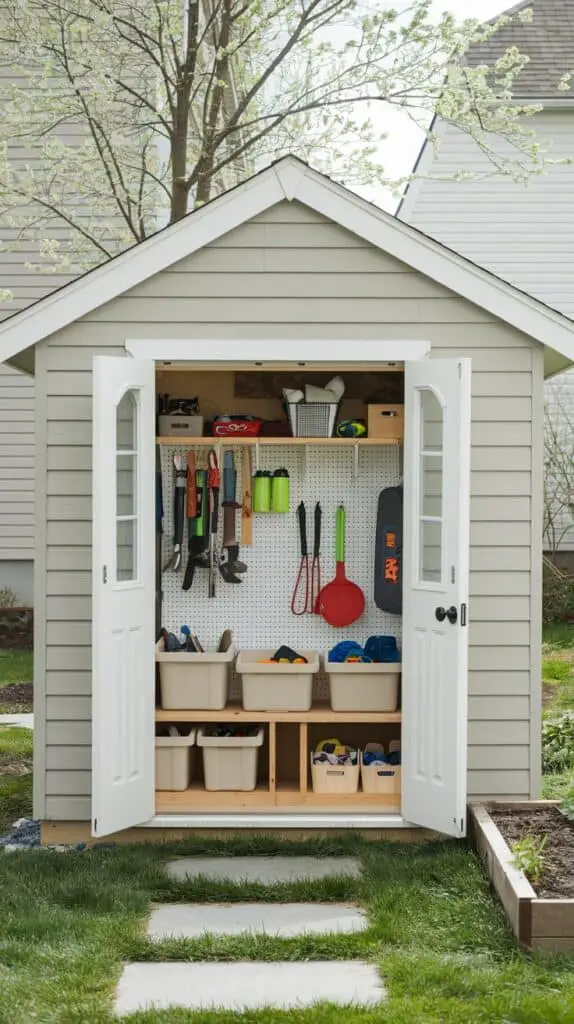
Custom shelving doesn’t have to mean custom prices. With a circular saw, drill, and measuring tape, you can build sturdy shelves that fit your shed exactly. This is especially useful in older yard sheds where walls aren’t perfectly square and store-bought units waste space.
Focus on depth first. Many sheds end up with shelves that are too deep, encouraging overstuffing. Shallow shelves keep items visible and easier to manage. For family storage, that means fewer forgotten bins and less re-buying things you already own.
Use scrap wood where possible, or basic lumber cut to size. A power sander helps smooth rough edges quickly, making the shelves safer for kids and easier on hands. Even a single shelving run along one wall can dramatically improve how the backyard shed functions.
If you want to keep things visually intentional, paint shelves the same color as the shed interior or use a light neutral. It keeps the space from feeling cluttered, even when it’s full.
Creating a Kid-Friendly Zone Inside the Shed
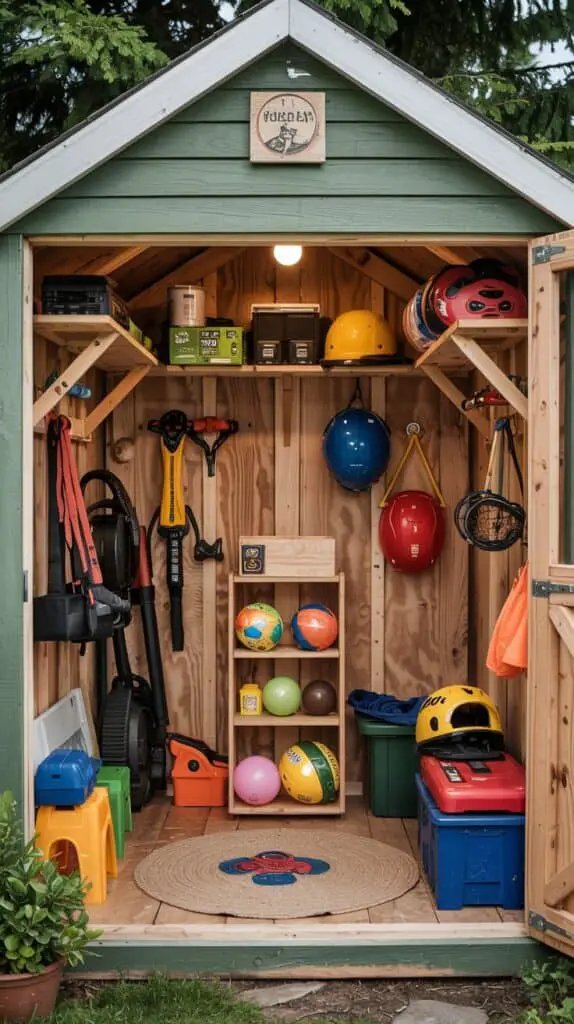
One overlooked aspect of outdoor shed ideas is accessibility for kids. If children use the yard daily, the shed should support that instead of becoming a barrier. A small, clearly defined kid zone can make a big difference.
Using power tools, you can lower hooks, add a short shelf, or build a simple open bin system where balls, bubbles, and helmets live. These don’t need lids or labels — visibility is enough. The goal is quick access and easy cleanup.
This approach works well for families because it reduces the amount of outdoor gear that ends up inside the house. It also teaches kids where things belong, which naturally improves the shed layout over time.
If space allows, leave a narrow open area for kids to step inside without navigating tools or sharp edges. Safety and simplicity matter more than fitting everything in.
Upgrading Doors and Entry Storage for Everyday Use
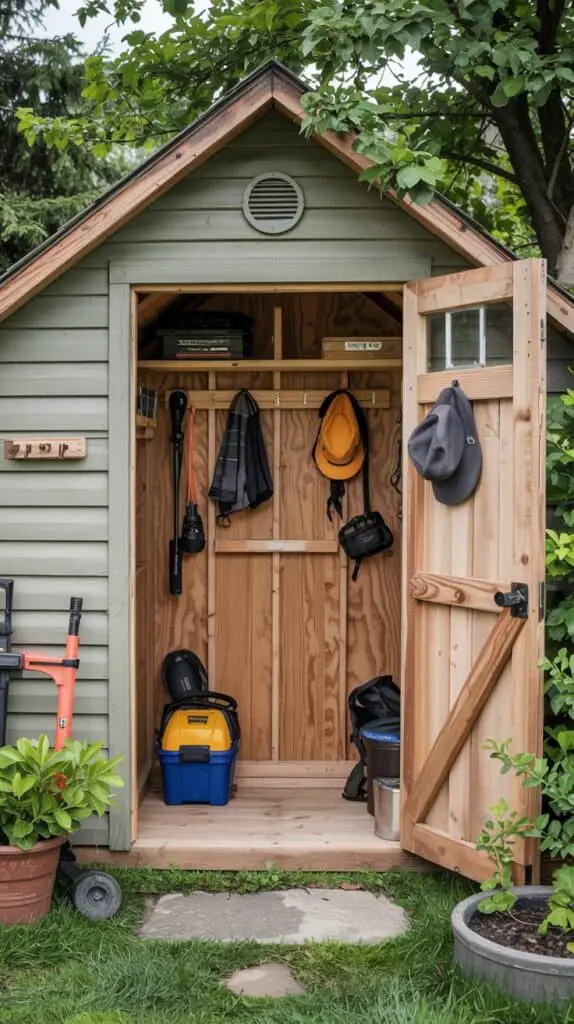
Many backyard sheds are underused simply because getting in and out is awkward. Spring is a good time to upgrade the entry using basic power tools and a small budget.
Installing hooks on the inside of the door is an easy win. A drill and short screws are all you need, and suddenly gloves, hats, and dog leashes have a consistent home. For sheds with double doors, one side can become vertical storage while the other stays clear.
If the door sticks or drags, a power sander can smooth swollen edges, making daily use less frustrating. These small fixes don’t look dramatic, but they change how often the shed gets used, which is the real measure of success.
For renters, focus on interior changes only. Entry upgrades that don’t affect the exterior are usually easier to reverse and still improve functionality.
Turning a Basic Shed Into a Seasonal Storage System
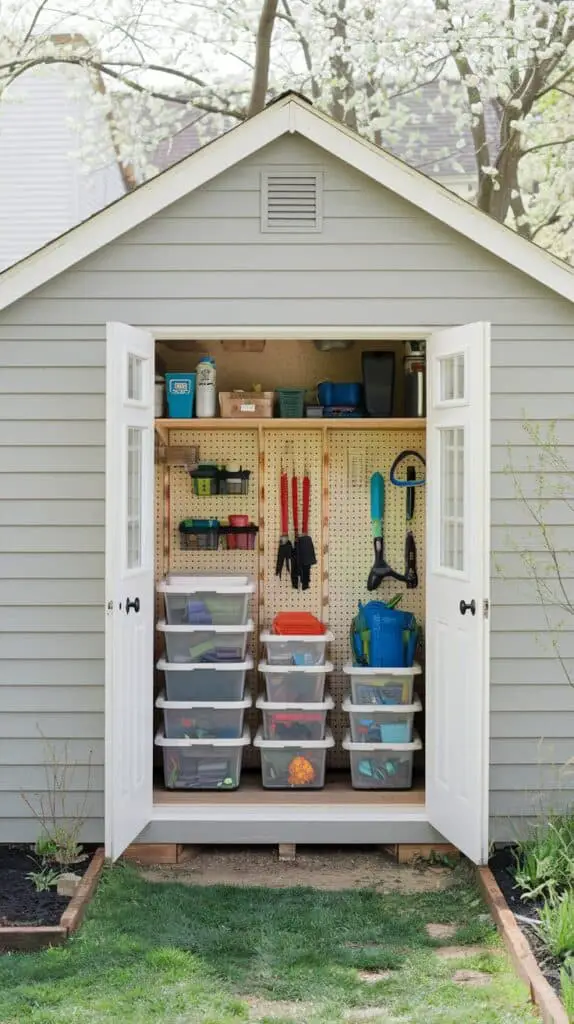
Spring storage needs are different from winter ones, and a good shed adapts with minimal effort. Instead of reorganizing everything twice a year, design the shed layout so seasonal items rotate naturally.
Use higher shelves for off-season gear and lower zones for current-use items. With a drill and adjustable shelf brackets, you can change shelf heights as needed without rebuilding. This is especially useful for families, where sports equipment changes with the seasons.
Clear bins help, but avoid over-labeling. Visual storage works better in shared spaces. The aim is to glance and know what’s inside, not to maintain a perfect system.
This approach aligns well with storage sheds ideas backyard planning because it reduces maintenance while keeping the space functional year-round.
Small Power Tool Projects That Make a Big Difference
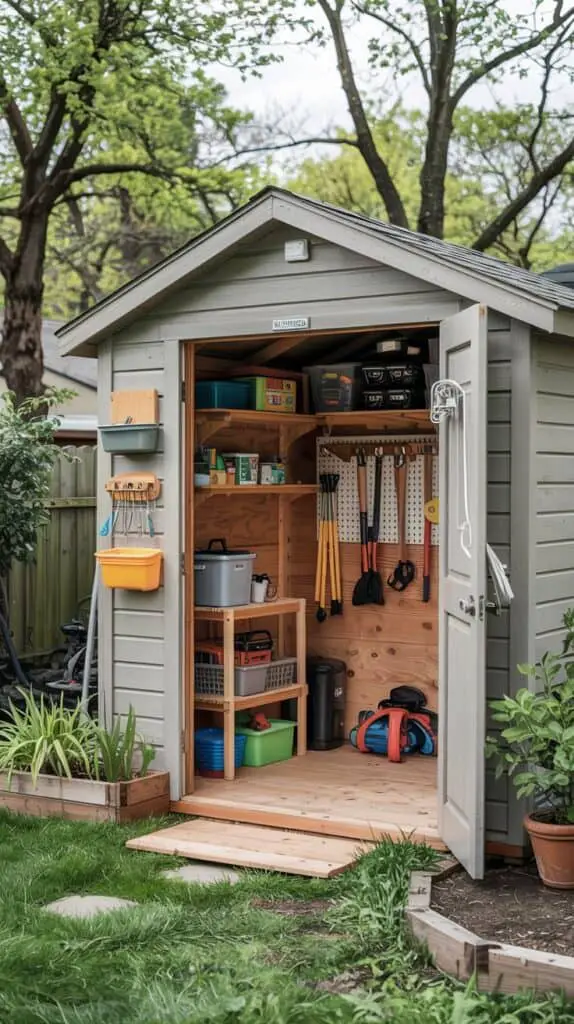
Not every upgrade needs to be structural. Some of the most effective shed addition ideas are small projects that take an hour or less.
Building a narrow tool rack, adding a fold-down work surface, or installing a simple charging shelf for battery tools can all be done with basic power tools. These upgrades support daily use without turning the shed into a workshop.
For cheap she shed ideas, consider a small bench with storage underneath. It creates a moment of comfort without taking over the space. Even in shared family sheds, a small personal zone makes the shed feel more intentional and less like overflow storage.
Keeping the Shed Calm, Not Cluttered
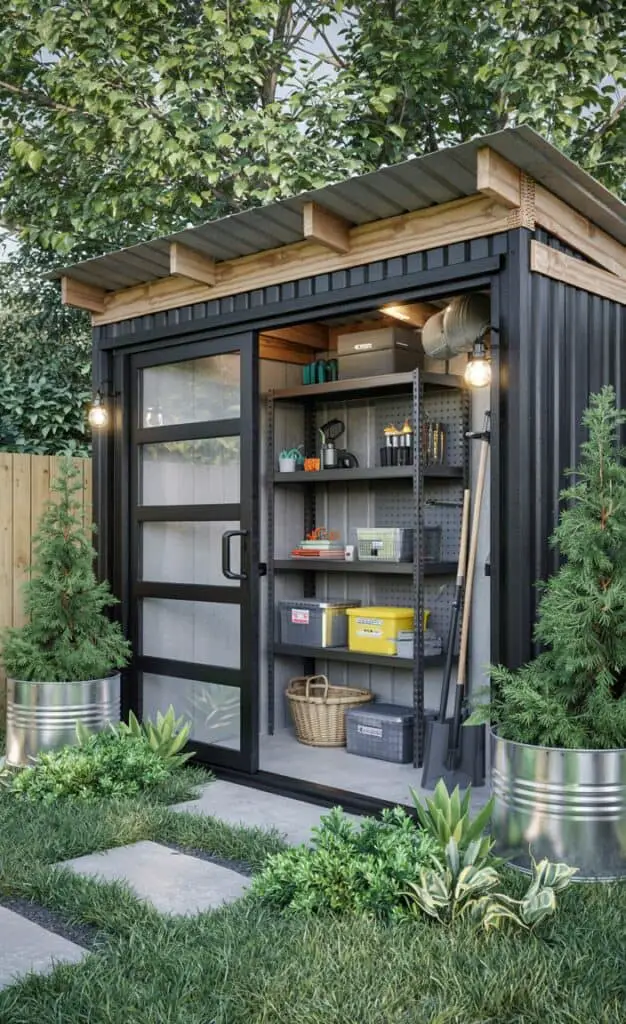
Organization often fails when it becomes too rigid. A calm shed layout allows for a little mess without tipping into chaos. Leave some empty space. Not every wall needs to be filled.
Power tools help here by allowing custom-fit solutions instead of forcing in bulky storage units. When everything has breathing room, it’s easier to maintain order — especially in busy households.
Stick to a limited color palette, avoid mixing too many container styles, and prioritize function over perfection. A shed that looks good but works poorly won’t stay organized for long.
Renter-Friendly Upgrades That Still Feel Permanent
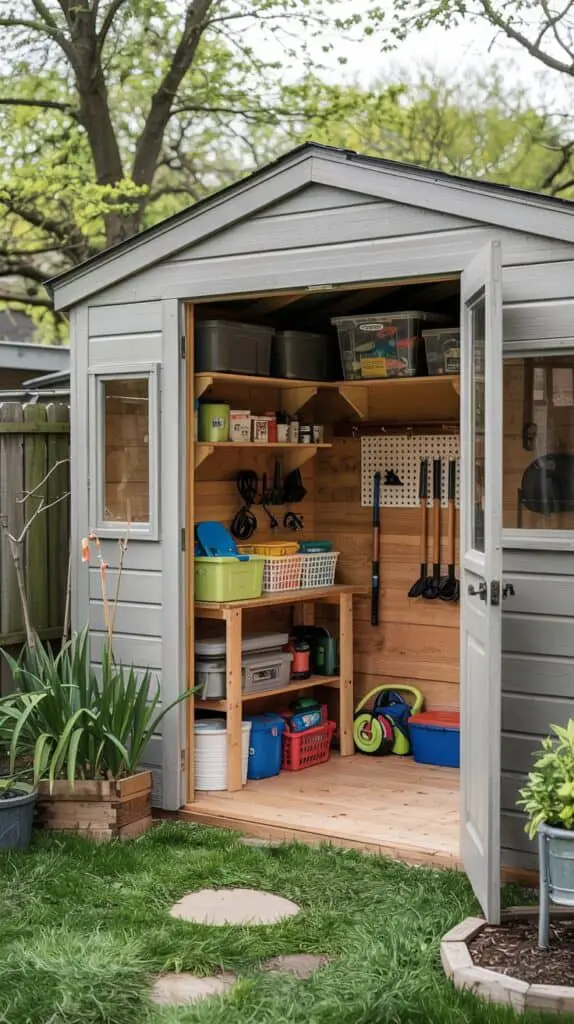
Renters often assume outdoor shed ideas are off-limits, but many improvements are reversible. Focus on screw-mounted elements rather than adhesives, and avoid cutting into structural components unless permitted.
Freestanding shelves, wall-mounted rails attached to studs, and modular storage all work well in rental sheds. Power tools make these upgrades precise and removable, which is key when you don’t own the space.
The goal is to improve daily life now, not to create a showpiece. Even temporary upgrades can significantly improve how the backyard shed supports family routines.
A Shed That Grows With Your Family
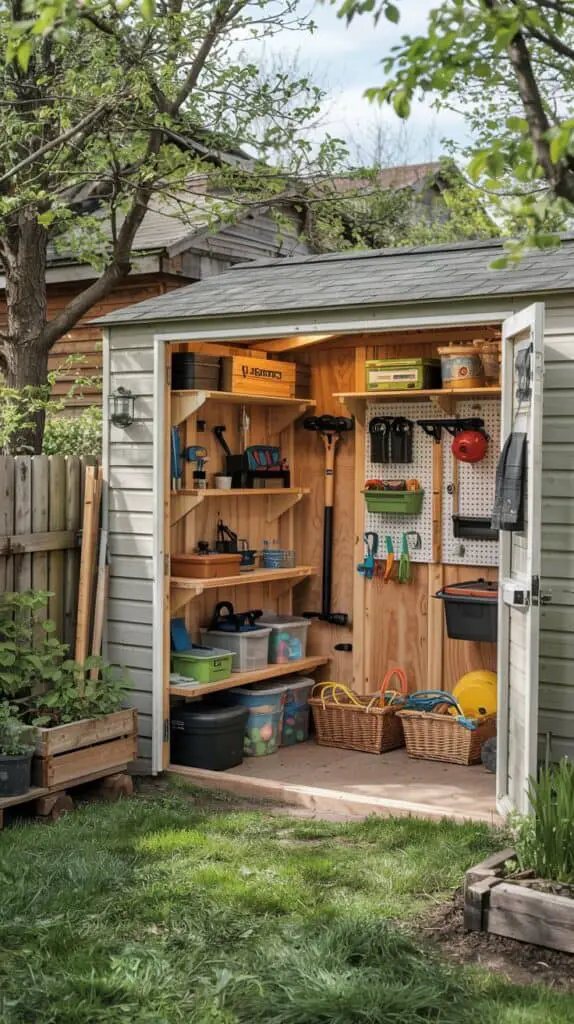
The best yard sheds aren’t finished projects. They evolve as kids grow, hobbies change, and storage needs shift. Spring upgrades are less about transformation and more about alignment — making the shed work for who you are right now.
With a few power tools, thoughtful planning, and realistic expectations, a backyard shed can become one of the most useful spaces you have. Not perfect, not styled for photos, but genuinely helpful in everyday life.
A functional shed doesn’t shout. It quietly supports your routines, keeps the house lighter, and makes outdoor time easier to enjoy. That’s a spring upgrade worth making.