
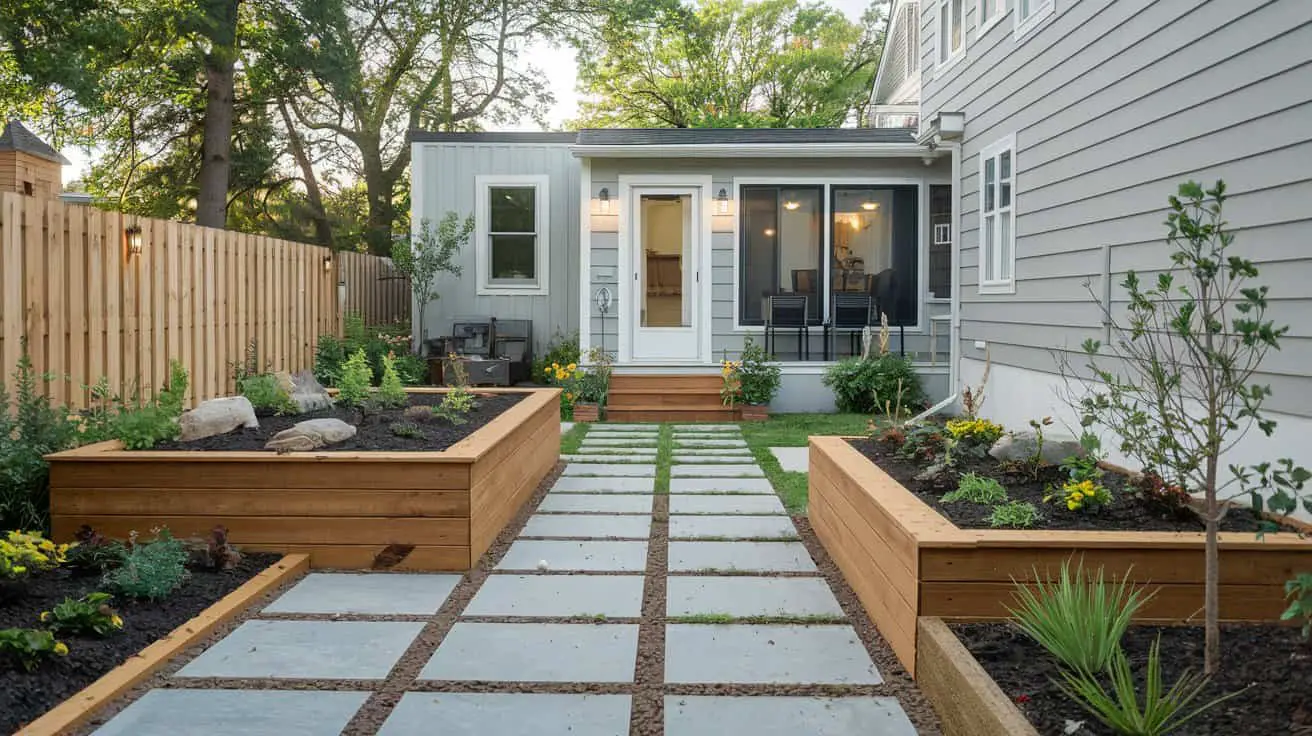
Spring is one of those seasons that makes everything feel possible again — especially outside. After months of looking at a tired yard or bare patch of ground, even small changes can feel like a reset. The good news is that budget landscaping doesn’t have to mean cutting corners or settling for messy fixes. With a few raised beds, basic power tools, and a realistic plan, it’s possible to refresh a backyard without spending more than you’re comfortable with.
This article is written for real homes and real budgets. Think practical upgrades that work for families, renters, beginners, and anyone trying to make their outdoor space feel calmer and more intentional this spring. The focus is on simple backyard landscaping that’s affordable, flexible, and easy to maintain — even if you’re short on time or tools.
Start with One or Two Raised Beds Instead of a Full Yard Redesign
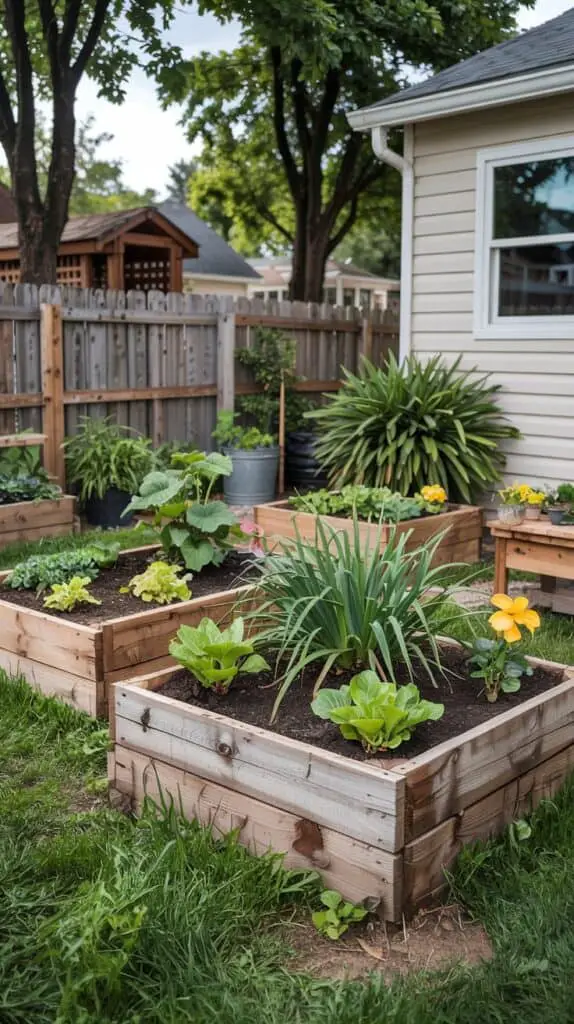
One of the most approachable ways to tackle budget landscaping is to resist the urge to redo everything at once. Raised beds work well because they let you focus on a small, defined area while still creating a visible change.
For a cheap garden makeover, start with one or two beds placed where they’ll be most noticeable — along a fence, near a patio, or beside a walkway. This approach keeps costs low and avoids overwhelming projects that never quite get finished. You can build raised beds from untreated lumber, recycled wood, or even modular kits if cutting isn’t an option.
Raised beds also work well for renters or shared spaces because they’re often removable and don’t require permanent changes to the yard. Even in a small backyard, one neatly placed bed can shift the entire feel of the space from “unfinished” to “thought-through.”
Use Simple Power Tools to Save Time, Not Add Complexity
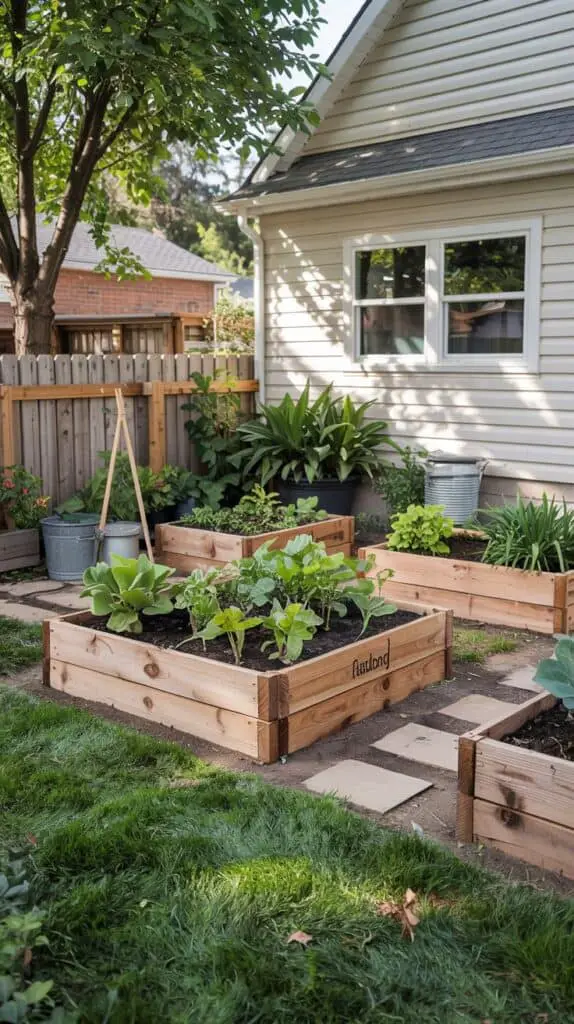
Power tools don’t have to mean expensive or intimidating. For DIY backyard ideas on a budget, a few basic tools can make projects faster and cleaner without turning into a major investment.
A compact drill, a small circular saw, and a basic sander are often enough to handle raised bed construction, simple edging, or planter boxes. These tools are usually easy to borrow, rent, or buy secondhand, which keeps costs manageable.
Using power tools also helps your finished work look more polished. Straight cuts, evenly spaced screws, and smooth edges can make even inexpensive materials feel intentional. The goal isn’t perfection — it’s creating something that feels solid and lasts more than one season.
Choose Materials That Age Well and Hide Wear
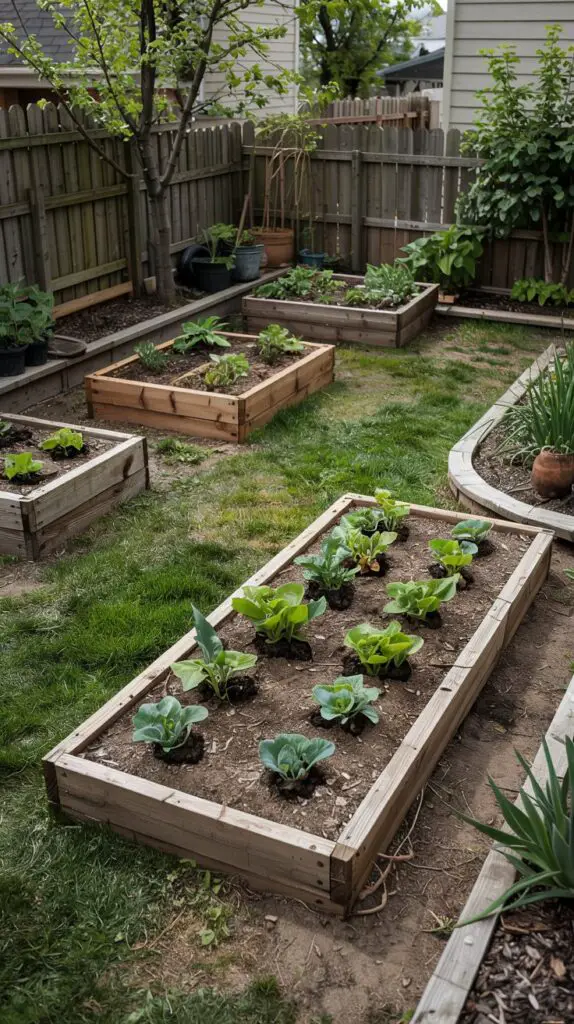
When working on a backyard makeover on a budget, materials matter just as much as design. Some inexpensive options look worn quickly, while others actually improve with age.
Wood that weathers naturally, gravel paths, and simple stone borders tend to look better over time, even if they aren’t perfect at installation. These materials are forgiving, which is helpful for beginners and busy households.
Avoid materials that crack, fade unevenly, or require constant maintenance. Budget landscaping works best when upkeep stays simple. Raised beds made from thicker boards, for example, may cost slightly more upfront but last longer and save money in the long run.
Keep Plant Choices Simple and Seasonal
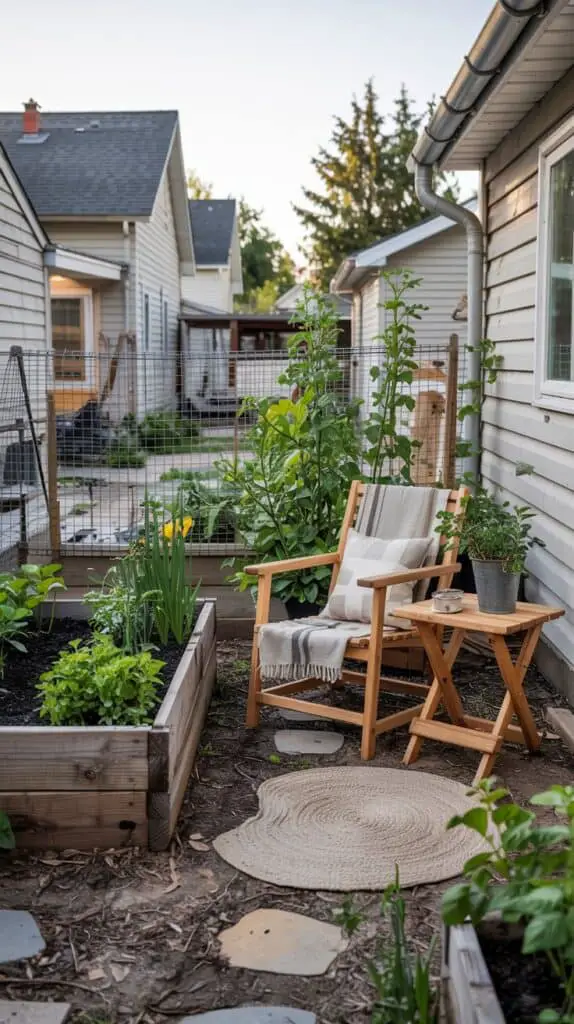
Plants can quietly eat up a budget if you’re not careful. For cheap backyard ideas, start with fewer plants and choose ones that suit your climate and light conditions.
Spring is ideal for hardy starters like herbs, leafy greens, native perennials, or low-maintenance shrubs. These plants establish quickly and don’t require elaborate soil prep or daily attention. In raised beds, soil quality is easier to control, which helps plants thrive without extra fertilizer or amendments.
Spacing plants properly also matters. Overcrowding might look full at first, but it often leads to more maintenance and replacements later. Leaving space allows plants to grow naturally and keeps the bed looking calm instead of chaotic.
Create Visual Structure Before Adding Decorations
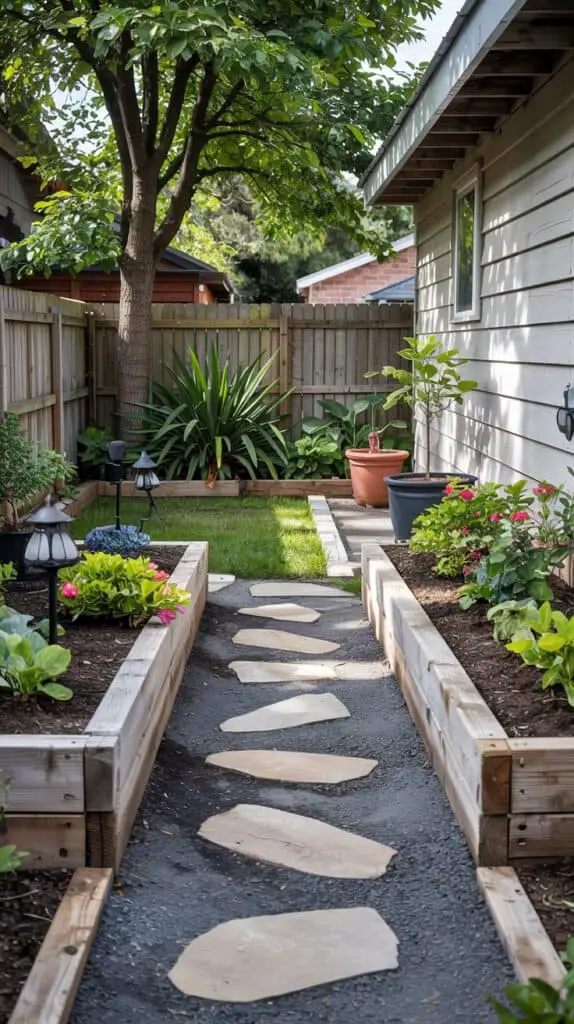
One common mistake in simple backyard landscaping is adding decor before structure. Solar lights, pots, and accessories can be tempting, but without a clear layout, they often add clutter instead of comfort.
Raised beds naturally create structure. Pair them with clean edges, defined paths, or open space around them so the yard feels balanced. Even a narrow gravel strip or mulch border can visually separate areas without major expense.
This approach is especially useful for small backyard ideas on a budget easy enough to manage alone. When the layout is clear, the yard feels larger and more intentional, even if the square footage is limited.
Use Gravel and Mulch to Reduce Costs and Maintenance
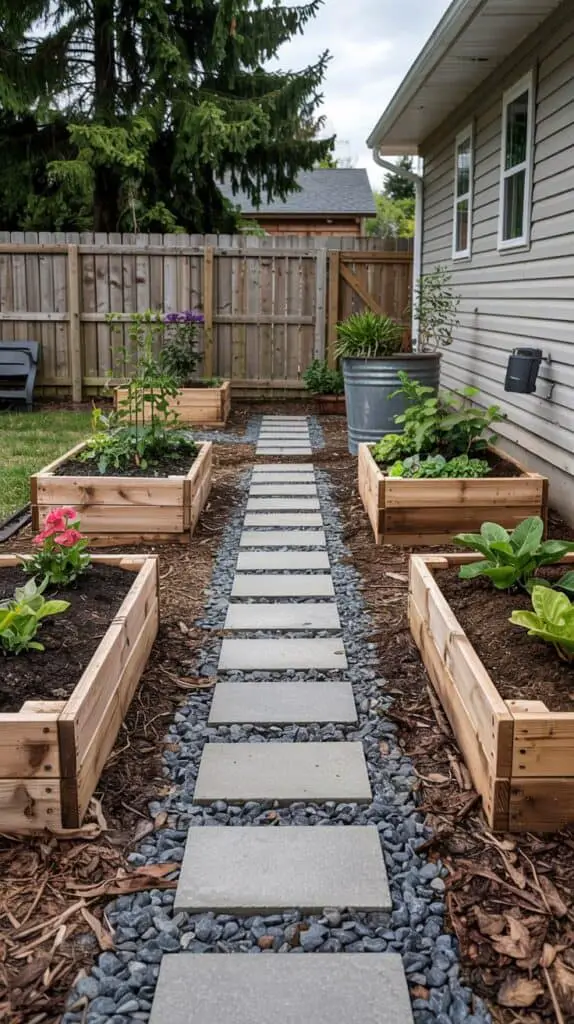
Hardscaping doesn’t have to mean concrete or pavers. Gravel and mulch are two of the most budget-friendly materials for backyard upgrades, and they pair well with raised beds.
Gravel paths help define movement through the yard while reducing muddy spots and worn grass. Mulch keeps soil moist, suppresses weeds, and visually ties garden areas together. Both materials are usually inexpensive, easy to install, and forgiving if you change your mind later.
For renters or temporary setups, these materials are ideal because they can be removed or redistributed without damaging the property. They also work well for pet owners who need durable, low-maintenance surfaces.
Focus on One Functional Zone at a Time
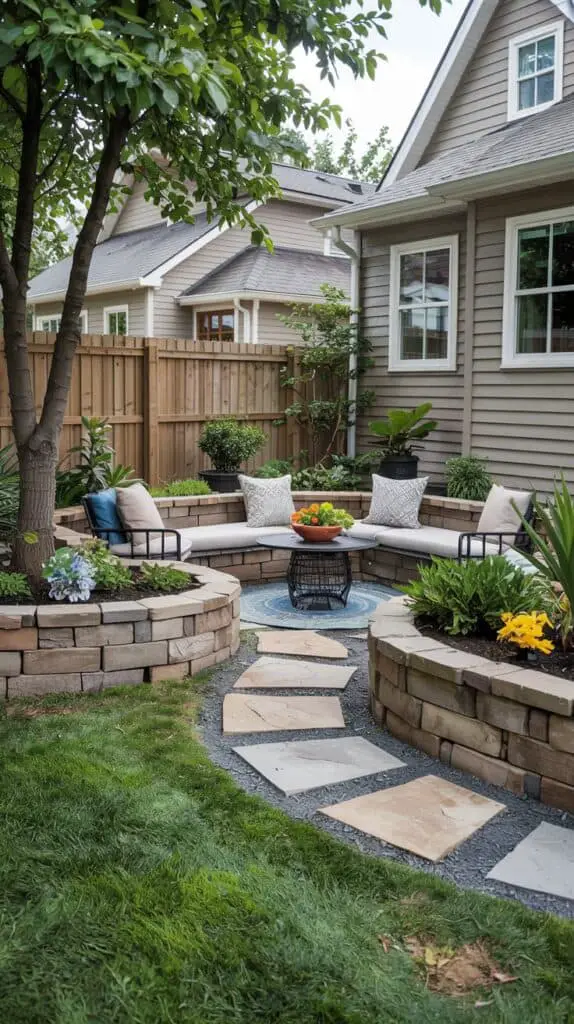
Rather than trying to create a “perfect” backyard all at once, focus on one functional zone. This might be a small garden area, a seating corner, or a child-friendly play space framed by raised beds.
By working zone by zone, budget landscaping stays manageable. You can spread costs over time and adjust plans as you go. This method also reduces decision fatigue and keeps projects from feeling overwhelming.
A single finished area can still make the whole yard feel more usable. Once one zone is complete, it often motivates the next step — without pressure to rush.
Build Raised Beds That Match Your Lifestyle
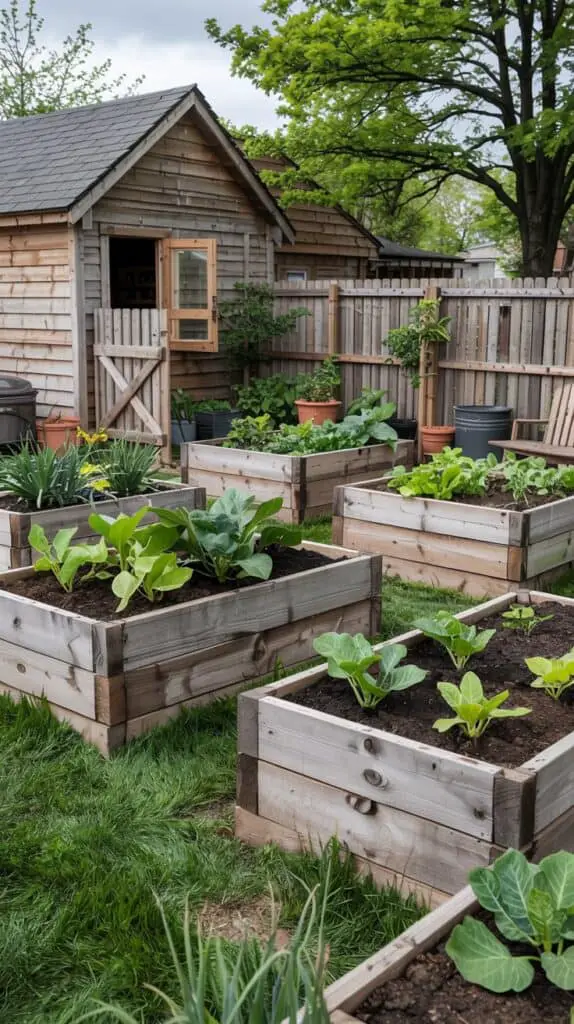
Not all raised beds need to look the same. Height, width, and placement should reflect how you actually use the yard.
For families, wider beds with sturdy edges double as informal seating. For beginners, shallow beds are easier to fill and maintain. For renters, freestanding beds that sit on top of the ground avoid digging and permanent changes.
Matching the design to your lifestyle makes the project more sustainable. A cheap garden makeover only works if it’s easy to live with after the excitement of spring wears off.
Use Repetition for a More Polished Look
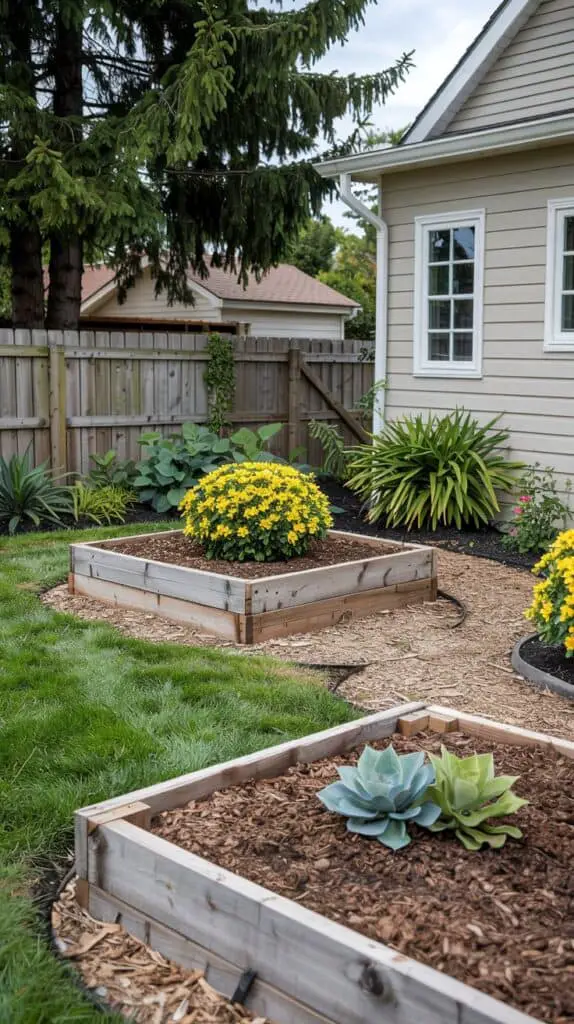
One of the easiest ways to make budget projects look intentional is repetition. Using the same material, color, or shape across multiple elements creates cohesion without extra cost.
This might mean building two identical raised beds instead of several mismatched ones, or repeating the same mulch type throughout the yard. Even repeating plant types can create a calm, structured feel.
Repetition works especially well in simple backyard landscaping because it reduces visual noise. The yard feels planned, not pieced together, even when everything was done affordably.
Plan for Growth Instead of Instant Fullness
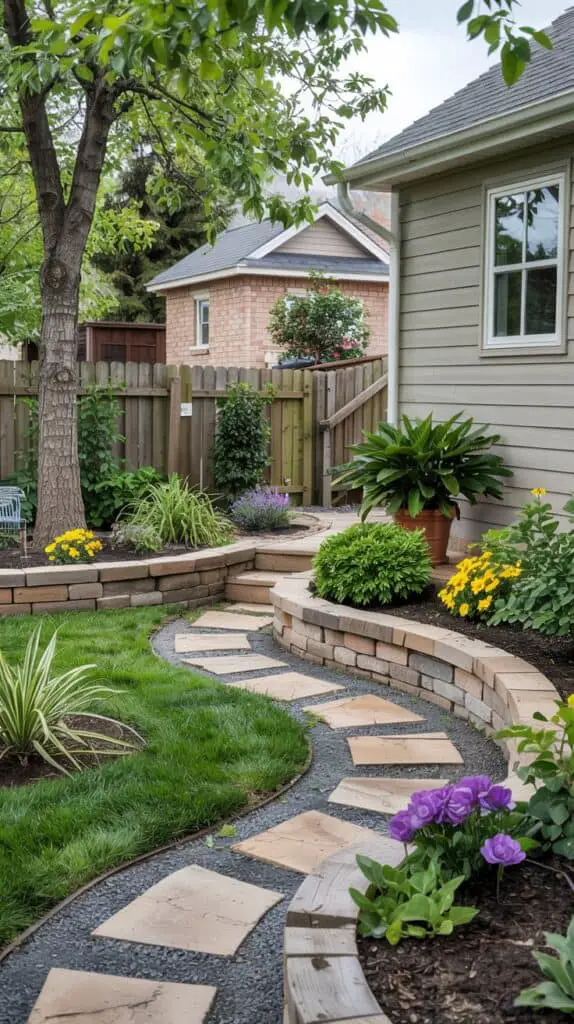
Spring landscaping often focuses on instant results, but budget-friendly yards benefit from patience. Plants grow, wood weathers, and spaces settle into themselves over time.
Leaving room for growth prevents overcrowding and reduces the need for replacements. It also allows you to adjust layouts based on how you actually use the space.
This mindset is helpful for backyard makeover on a budget projects, where flexibility matters more than immediate perfection. A yard that evolves slowly often feels more natural and comfortable in the long run.
Make Cleanup and Storage Part of the Design
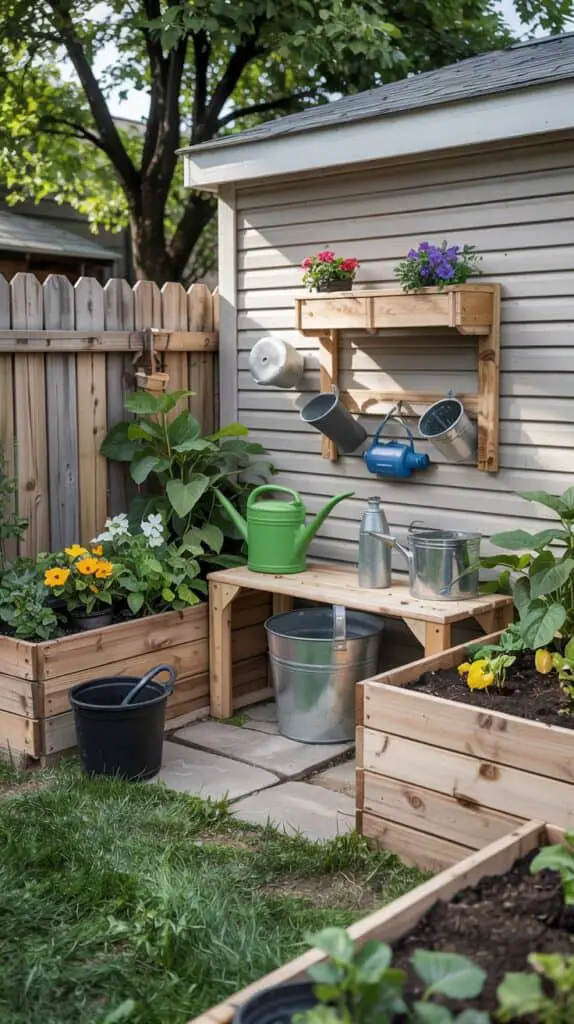
A backyard only stays enjoyable if it’s easy to maintain. When planning raised beds and layouts, think about where tools, soil bags, or watering cans will go.
Simple storage solutions — like a small shed, bench with hidden storage, or wall hooks — keep clutter out of sight. This is especially important for families and shared spaces, where mess can build quickly.
Using basic power tools to build simple storage can be just as impactful as the beds themselves. A tidy yard always feels more finished, even with minimal decoration.
Keep Changes Reversible When Possible
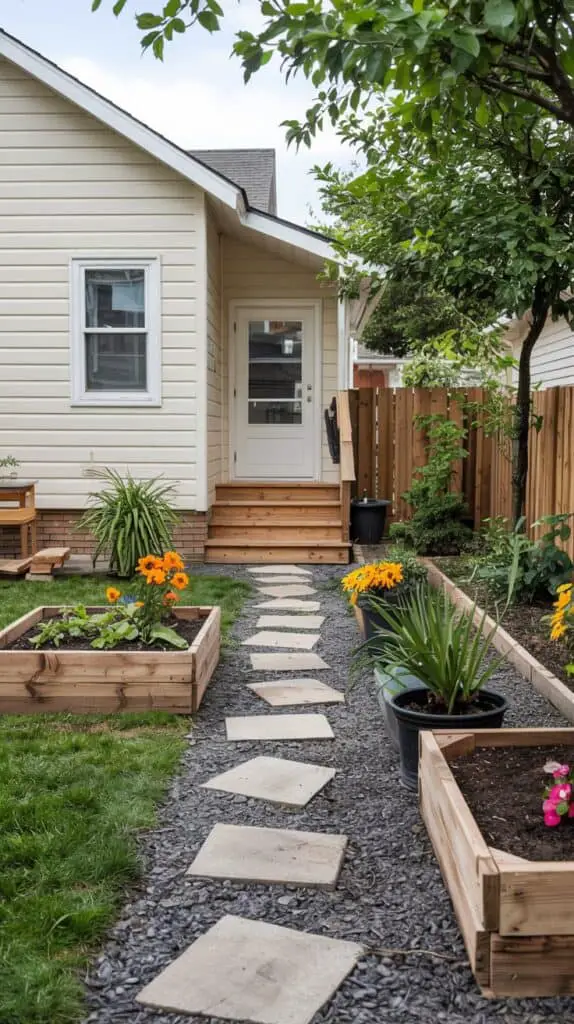
Budget landscaping often overlaps with temporary living situations. Renters, growing families, or people planning future renovations benefit from designs that aren’t permanent.
Raised beds, gravel paths, and freestanding features can usually be moved or removed without major effort. This flexibility makes it easier to adapt the yard as needs change.
Reversible projects also reduce stress. You can try ideas without feeling locked in, which encourages creativity and experimentation.
Let the Yard Feel Lived-In, Not Staged
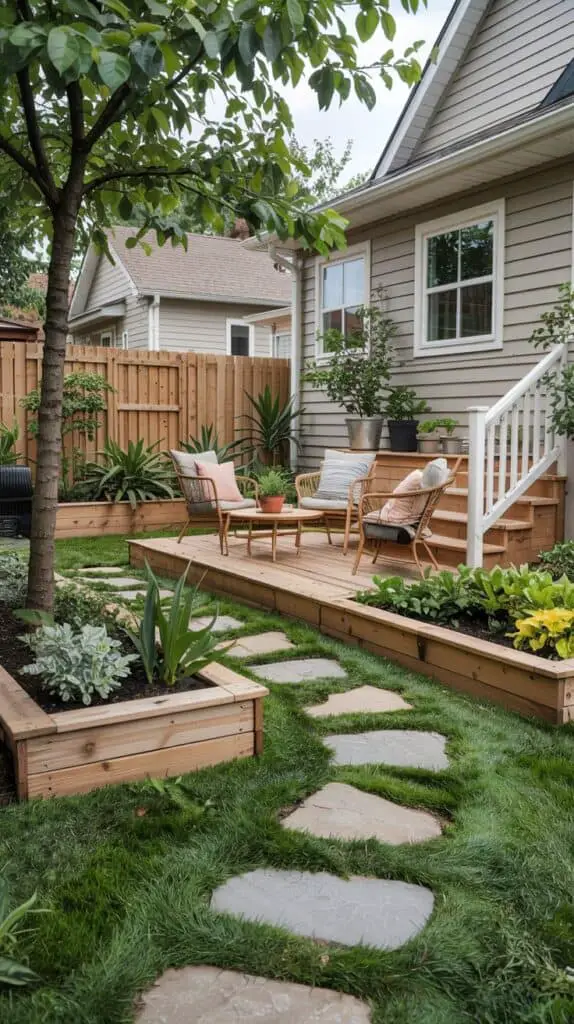
Pinterest inspiration is helpful, but real yards don’t need to look styled at all times. A few uneven boards, hand-built edges, and practical plant choices are part of the charm.
The goal of budget landscaping isn’t perfection — it’s comfort. A yard that supports daily life, kids playing, pets running, or quiet evenings outside is more valuable than one that looks untouched.
Allowing some imperfection keeps projects approachable and sustainable, especially for beginners.
Conclusion
Refreshing your yard in spring doesn’t require a full renovation or a large budget. With raised beds, simple power tools, and a thoughtful approach, it’s possible to create meaningful change one step at a time.
By focusing on structure, flexibility, and realistic maintenance, these cheap backyard ideas turn outdoor spaces into places you actually want to use. Budget landscaping works best when it’s calm, intentional, and built around real life — not pressure to do everything at once.
Small changes, done thoughtfully, often make the biggest difference.